

Understanding Seoul non-surgical spine treatment
Back and neck pain can have many causes, and the right approach depends on more than where the discomfort is felt. An assessment considers how symptoms began, whether pain travels into an arm or leg, and which activities are affected. Non-surgical care focuses on understanding the problem and choosing appropriate ways to manage it without an operation. Bone & Heal Clinic provides care in orthopedics and anesthesiology, fields relevant to evaluating movement concerns and pain.
Why symptoms need individual assessment
Spine-related symptoms can include localized pain, stiffness, tingling, or discomfort that travels into a limb. Similar symptoms do not always have the same cause, so a treatment decision should not rest on a single description such as “back pain.” The medical staff can consider your history alongside a physical examination and recommend further evaluation when appropriate. Be ready to explain whether symptoms are constant or intermittent and whether coughing, sitting, standing, or walking changes them.
It is also useful to describe what the symptoms prevent you from doing. Difficulty sleeping, sitting through work, lifting everyday objects, or walking comfortably can help clarify the practical impact. Mention previous injuries, treatments you have tried, and any medicines you take, including nonprescription products. If a treatment helped only briefly, explain what improved and what remained difficult. A clear account of changes over time can help guide the conversation about next steps. You do not need to determine the cause yourself before seeking care; describing your experience accurately is more useful than assigning it a diagnosis.
Effective spine care starts with a careful assessment, not an assumption about the cause. Your symptoms and daily activities help shape the discussion about appropriate non-surgical options.
How non-surgical care may help
Depending on the assessment, non-surgical care may include guidance on activity, movement, and pain management. The aim is to address symptoms while helping you participate in ordinary activities as comfortably as possible. The precise approach depends on the suspected cause, your health history, and your preferences. Non-surgical describes a broad approach rather than a single treatment, and it does not mean that every option is suitable for every person.
For some people, a plan may begin with practical changes to daily routines and a gradual return to comfortable movement. Others may need a different approach after a more detailed assessment. Discuss what you want to be able to do, whether that means sitting more comfortably, returning to work, or resuming a particular activity. Ask how to judge progress and what to do if symptoms change. Improvement is not always immediate, and changes may take time depending on the individual condition. Follow-up decisions should be based on your response rather than a fixed expectation of how quickly symptoms will settle.
When prompt medical attention matters
Some symptoms should not wait for a routine discussion of conservative care. Seek emergency medical attention for new difficulty controlling your bladder or bowels, or numbness around the groin or inner thighs. New or worsening weakness in an arm or leg also warrants prompt medical assessment. These symptoms can signal a condition that needs urgent evaluation, even if back or neck pain seems manageable.
Contact a medical professional promptly if pain follows a significant injury or occurs with fever, unexplained weight loss, or a history of cancer. The appropriate urgency depends on the full situation, but these details are important to mention when seeking care. Avoid relying solely on self-care advice when symptoms are new, severe, or changing. If you are unsure how urgently you need help, describe the symptoms clearly when contacting a medical professional.
For symptoms that are not urgent, a planned consultation can provide an opportunity to discuss the pattern of pain and its effect on your routine. Bring relevant records if you have them, and note any changes in sensation or strength. This preparation helps keep the discussion focused on the information that matters most. It also gives you a chance to ask what signs should prompt an earlier reassessment.
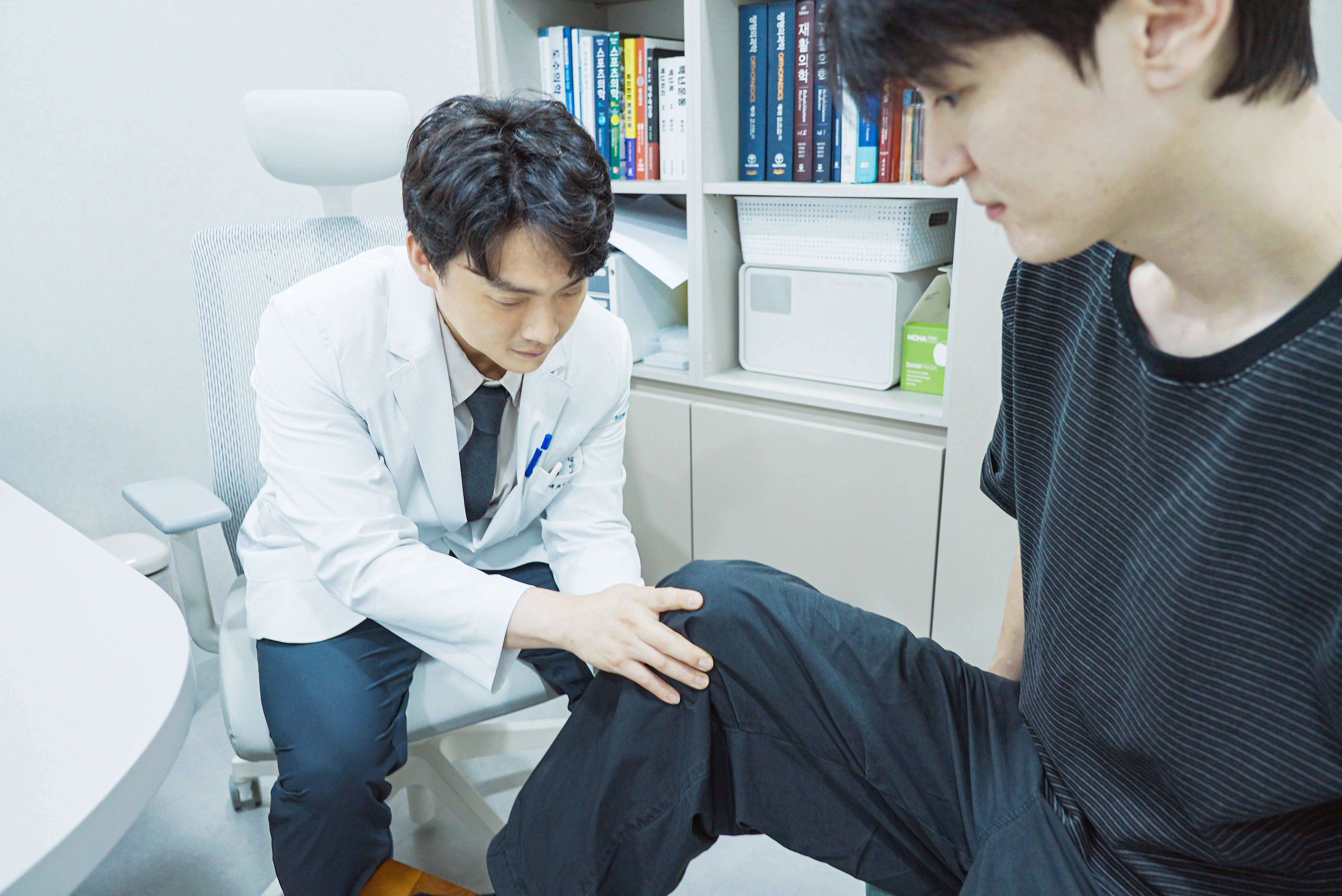
Choosing Seoul non-surgical spine treatment options
A non-surgical plan should reflect both the clinical assessment and your practical needs. Before deciding on an approach, ask what the medical staff think may be contributing to your symptoms and what each recommendation is intended to address. The goal is an informed choice, not simply a list of treatments. Your health history, current medicines, and ability to carry out daily activities all matter when discussing a plan.
Discussing movement and daily activity
Movement recommendations depend on the condition and the severity of symptoms. For many people, the discussion includes finding ways to remain active within comfortable limits rather than assuming that all movement should stop. Ask which activities are reasonable for you, which movements need temporary adjustment, and how to return to your usual routine. If an activity causes a clear increase in symptoms, tell the medical staff rather than pushing through it without guidance.
Everyday changes can be small but meaningful. You might discuss how to alternate between sitting, standing, and walking, or how to handle tasks that involve repeated bending or lifting. There is no single posture or routine that suits everyone, so recommendations should account for your work, home responsibilities, and current symptoms. If exercise is suggested, ask how to start, how to adjust it if discomfort increases, and when to seek advice. The purpose is not to eliminate all sensation during movement; it is to understand what is appropriate for your situation and avoid treating a worsening pattern as something to ignore.
Activity and pain-management decisions work best when they are tied to your assessment and daily goals. Ask what to do, what to monitor, and when the plan should be reviewed.
Talking about pain management
Pain management can involve different approaches, and the appropriate choice depends on the cause of symptoms and your medical history. If medicines are discussed, tell the attending doctor about allergies, other medicines, and relevant health conditions. Ask about the intended benefit, how to use the medicine, and any precautions that apply to you. Do not start, stop, or change a prescribed medicine without advice from the clinician responsible for your care.
It can help to distinguish between reducing pain and addressing the factors that contribute to it. A plan may combine symptom management with guidance on daily activity and reassessment. Ask how the recommended approach fits your goals and whether there are alternatives worth considering. Understanding the purpose of each recommendation makes it easier to take part in decisions about your care. If you have concerns about a medicine or another recommendation, raise them before beginning. The medical staff can consider those concerns alongside your condition and explain the reasoning behind the proposed plan.
Points to consider before treatment
Before agreeing to any treatment, ask what it involves, what benefits are intended, and what risks or precautions apply. Your medical history may affect which options are appropriate. Be open about previous experiences, including anything that did not help or caused concern. A useful discussion also covers what you can reasonably expect and how the team will respond if your symptoms do not improve as anticipated.
Consider the practical demands of a plan as well. Ask whether you need to adjust work, exercise, or other activities, and how to fit recommendations into your routine. If cost is important to your decision, request an explanation of the expected charges before proceeding. The details depend on your assessment and the care discussed, so it is reasonable to ask for clarification before making a choice.
Keep track of symptoms in a way that is useful to you. Note whether discomfort is changing, which activities are easier or harder, and whether you notice new tingling, numbness, or weakness. This information can make follow-up conversations more specific. If symptoms worsen or new concerns arise, contact a medical professional rather than waiting for a planned review. Emergency symptoms require immediate attention.
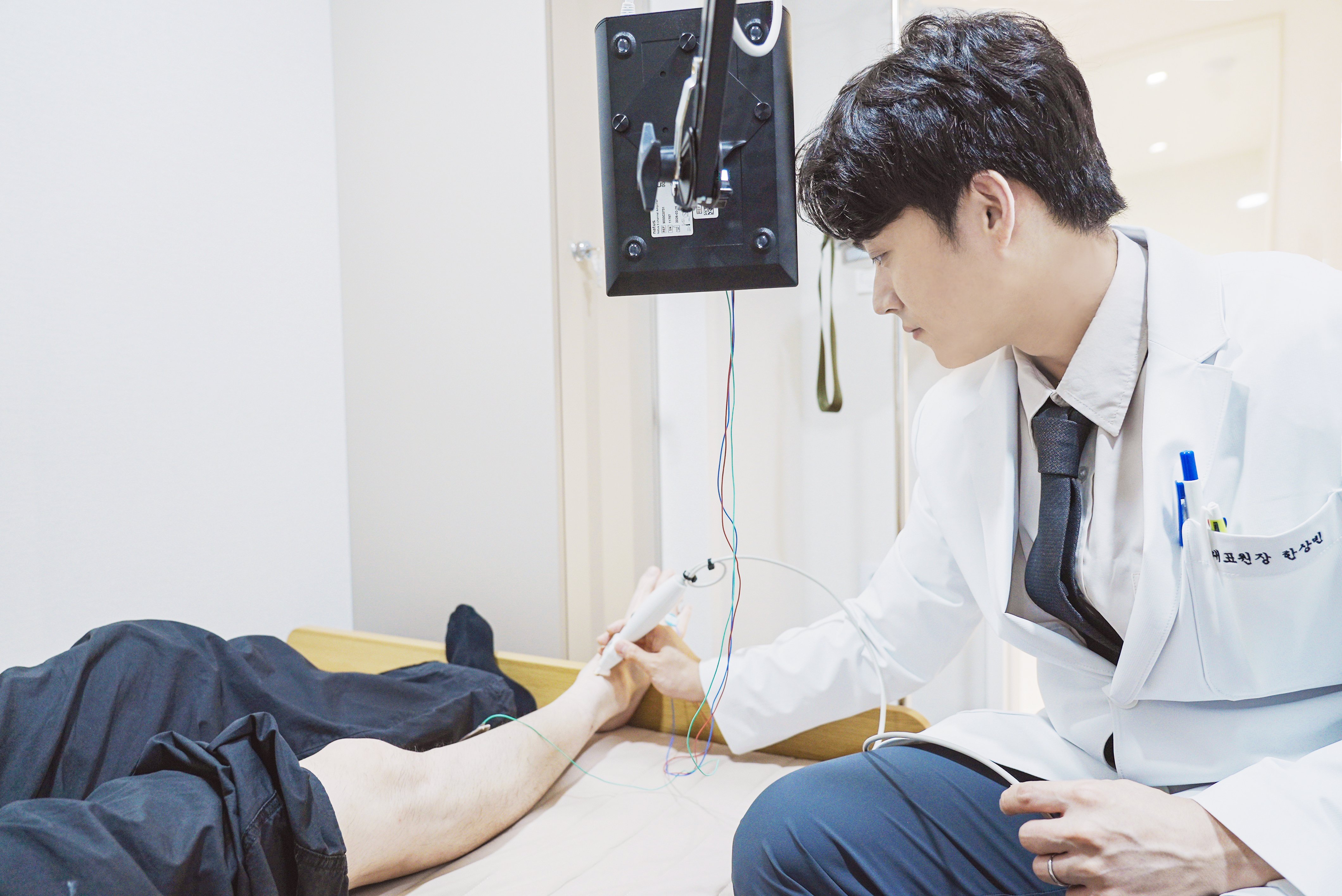
Planning your Seoul non-surgical spine treatment visit
A prepared visit can make it easier to explain your concerns and understand your options. Start with the symptoms that matter most to you, then describe when they began and how they affect your day. Bone & Heal Clinic provides care in orthopedics and anesthesiology. During a visit, you can discuss your symptoms with the medical staff and ask what assessment and care are appropriate for your situation.
What to bring and explain
Bring a list of current medicines and relevant medical conditions. If you have records from previous assessments or treatments, bring those that relate to your current symptoms. You can also write down questions in advance, particularly if pain makes it difficult to remember details during the visit. Explain any previous treatment response accurately, including whether relief was temporary or whether the treatment was difficult to tolerate.
Describe your symptoms in everyday language. Explain where you feel pain, whether it travels, and whether you have noticed changes in sensation or strength. Mention what makes symptoms better or worse and how they affect sleep, work, or mobility. If you have had similar symptoms before, describe how the current episode compares. Specific observations are more useful than trying to diagnose the problem yourself. You can also share your main priorities: for example, understanding the cause, managing discomfort, or returning to an activity. These details help the medical staff address the concerns that matter to you.
A useful consultation starts with a clear symptom history and a discussion of your priorities. Bring relevant information and leave with an understanding of the next steps and warning signs.
Questions to ask during the visit
Ask what the assessment suggests and whether any further evaluation is needed. If non-surgical care is recommended, ask how it is intended to help, what you should do at home, and how progress will be assessed. It is also appropriate to ask what other options may be considered if the initial approach is not suitable or does not provide enough relief.
Before leaving, make sure you understand any instructions that affect your daily routine. For example, ask whether to modify particular activities and what changes in symptoms should prompt contact with a medical professional. If a recommendation is unclear or difficult to follow, say so; the medical staff need to know about practical barriers when discussing your plan. You can also ask when reassessment would be appropriate. Shared decision-making means understanding the choices and discussing them in light of your needs, rather than feeling obliged to accept a plan you do not understand.
Following your progress
Progress can be measured in practical terms as well as by pain. You may notice that an activity is easier, that sleep is less disrupted, or that symptoms interfere less with your day. Be specific when reporting changes, including any new limitations. Changes may take time depending on the individual condition, and a follow-up discussion can help determine whether the current approach remains appropriate.
If the plan is not working for you, explain why. A recommendation may be difficult to carry out because of your schedule, discomfort, or another health concern. The medical staff can consider your feedback when discussing next steps. Do not assume that a lack of early improvement means you should independently intensify an activity or change medication; seek guidance based on your circumstances.
Finally, keep the distinction between routine follow-up and urgent symptoms in mind. New bladder or bowel control problems, numbness around the groin or inner thighs, or rapidly worsening weakness need immediate medical attention. For other changes, contact a medical professional for advice about timing. A clear plan for when and how to seek help is an important part of managing spine-related concerns.
Frequently Asked Questions
Q.What kind of care does Bone & Heal Clinic provide?
A.Bone & Heal Clinic provides care in orthopedics and anesthesiology.
Q.Who might consider a visit for spine-related symptoms?
A.A visit may be helpful for someone experiencing back or neck pain, stiffness, or symptoms that affect daily activities. New bladder or bowel control problems, numbness around the groin or inner thighs, or rapidly worsening weakness require immediate medical attention.
Q.How can I discuss non-surgical care?
A.Describe your symptoms, previous treatments, and daily limitations to the medical staff. Ask which approaches are appropriate for your condition and what each recommendation is intended to address.
Q.What should I prepare before a visit?
A.Bring a list of your medicines and relevant health conditions, along with any records related to your symptoms. It can also help to write down when the symptoms began and what makes them better or worse.
Q.Where is Bone & Heal Clinic, and how can I contact the clinic?
A.Bone & Heal Clinic is at 143-5, Nonhyeon-dong, Gangnam-gu, Seoul, Republic of Korea. Call 02-6673-7582 to ask about a visit.
Clinic Information
| Clinic | Bone & Heal Clinic |
|---|---|
| Specialty | orthopedics,anesthesiology |
| Address | 143-5, Nonhyeon-dong, Gangnam-gu, Seoul, Republic of Korea |
| Phone | 02-6673-7582 |
| Website | https://bonenheal.co.kr |
| Specialist | Specialist care |
 Bone & Heal Clinic