
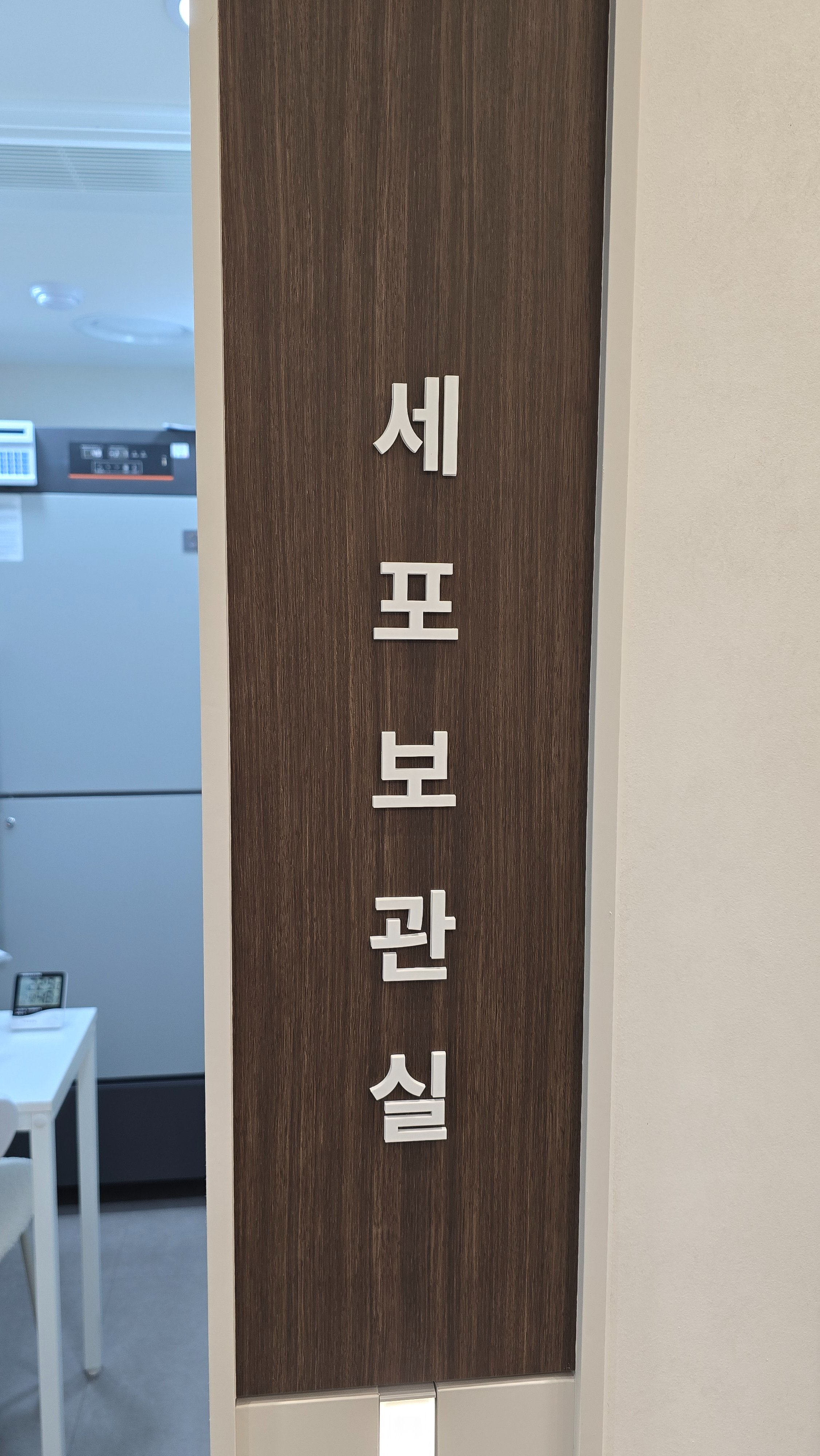
Gangnam balloon catheter neuroplasty: Understanding the procedure
Balloon catheter neuroplasty is an approach used in the care of certain spinal conditions associated with nerve irritation. It involves guiding a thin catheter toward an area near a spinal nerve and inflating a small balloon at its tip. The aim is to create space or ease tissue restriction in the targeted area. The procedure is not appropriate for every cause of back or leg pain. A clinical assessment is needed to determine whether the symptoms and findings support this approach.
How the catheter is used
The catheter is designed to reach the epidural space, the area surrounding the protective covering of the spinal cord and nerve roots. During balloon catheter neuroplasty, the attending doctor guides the catheter toward the area being treated. The balloon can then be inflated in a controlled manner. Imaging guidance may be used to help identify the catheter’s position. Depending on the treatment plan, medication may also be delivered through the catheter.
The term neuroplasty refers to an intervention intended to address tissue restrictions around a nerve. In the spine, these restrictions can be associated with inflammation or scar tissue, although symptoms do not always have a single identifiable cause. The balloon component distinguishes this technique from a standard injection: it is intended to make a physical change in the targeted space as well as provide access for medication when appropriate. The details of catheter placement, balloon inflation, and medication use depend on the clinical plan. A patient should ask the attending doctor to explain the intended target and why the proposed approach fits the findings from the examination and any imaging.
Balloon catheter neuroplasty targets a specific area around a spinal nerve rather than treating every possible source of pain. The first step is to establish whether the location of symptoms and the clinical findings point to a suitable target.
Why spinal nerves can become irritated
Spinal nerve roots travel from the spine toward the limbs. When a nerve root is irritated or compressed, symptoms can include pain that travels into an arm or leg, tingling, numbness, or weakness. Structural changes in the spine can contribute to these symptoms, but similar sensations can also arise from other conditions. The pattern of symptoms and the results of a physical examination help the medical staff consider where the problem may originate.
Imaging can provide information about the structures around a nerve, but an image alone does not establish the cause of a person’s pain. Findings need to be interpreted alongside the patient’s symptoms and examination. For example, a finding on a scan may not explain discomfort if it does not correspond to the affected area. Previous treatment also matters: the attending doctor may ask what has helped, what has not, and whether symptoms have changed over time. A clear diagnosis and a discussion of alternatives come before a decision about a procedure. This helps patients understand both the purpose of an intervention and the limits of what it is intended to address.
How this approach differs from other care
Care for spinal pain can include activity guidance, exercise, medication, injections, or surgery, depending on the diagnosis and severity of symptoms. Balloon catheter neuroplasty is one possible intervention, not a standard requirement for everyone with a spinal condition. Its catheter-based approach is intended to reach a targeted area around a nerve. The attending doctor can explain how that aim differs from the aims of other options being considered.
Choosing between treatments involves more than comparing procedure names. The nature of the symptoms, their effect on daily life, previous treatments, medical history, and examination findings all help shape the discussion. A treatment that addresses nerve-related leg pain, for example, may not address every cause of discomfort in the lower back. Patients can ask which symptom the proposed procedure is intended to treat and how progress would be assessed afterward.
| Topic | Question to discuss |
|---|---|
| Diagnosis | What is the likely source of my symptoms? |
| Treatment target | Which area around the nerve would be treated? |
| Alternatives | What other approaches are appropriate for my condition? |
| Follow-up | How will my response to treatment be assessed? |
These questions can make a consultation more useful because they connect the procedure to an individual diagnosis. It is also reasonable to ask what evidence supports the proposed treatment for the specific condition and what degree of improvement is realistic. No procedure can promise a particular result. The goal of the discussion is to understand the potential role of treatment, not to assume that a catheter-based technique will resolve every symptom.
Gangnam balloon catheter neuroplasty: Assessment and treatment planning
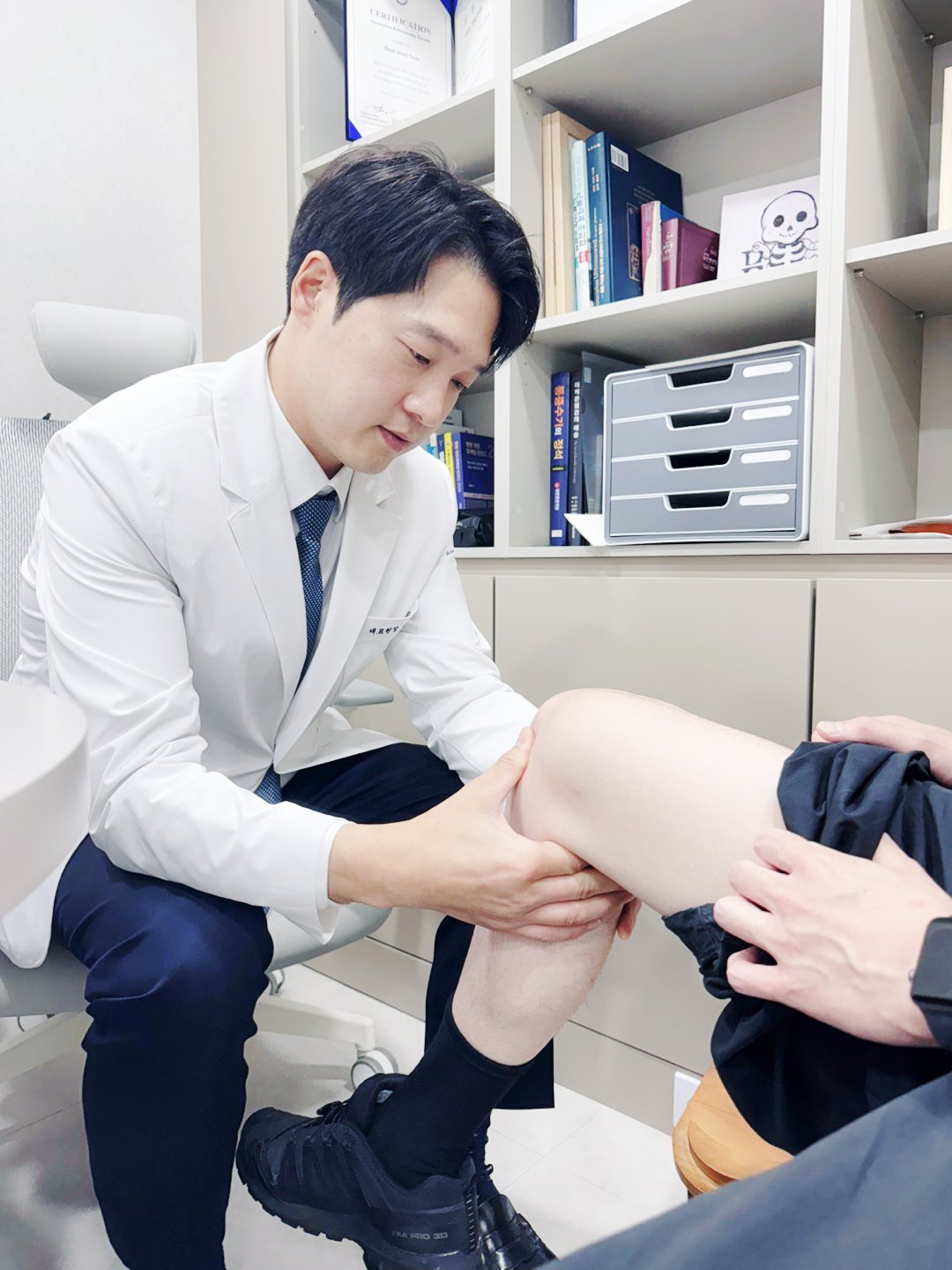
Decisions about balloon catheter neuroplasty start with an assessment of symptoms and relevant medical history. Pain that travels along a limb, sensory changes, and weakness can provide clues about nerve involvement, but each needs to be considered in context. The attending doctor may review previous tests and treatments before discussing a plan. Suitability depends on the individual condition, not simply on the presence of back pain.
What to discuss during an assessment
Describe where the discomfort begins, where it travels, and which activities affect it. Mention any numbness, tingling, or weakness, as well as changes in sleep, walking, work, or other daily activities. A symptom history can help the medical staff distinguish a possible nerve-related problem from other sources of pain. If symptoms have changed, explain whether the change was gradual or sudden.
Previous care is equally useful information. Bring relevant imaging reports or records if you have them, and be prepared to explain which treatments you have tried and how you responded. Tell the attending doctor about current medications, allergies, and any medical conditions that could affect a procedure. In particular, medicines that affect bleeding and a history of infection should be discussed before an invasive treatment is planned. Do not stop or change a prescribed medicine on your own; ask the prescribing clinician and the attending doctor for guidance. These details help the medical staff consider whether further evaluation is needed and how to approach treatment safely.
A useful assessment connects symptoms, examination findings, and relevant test results. It also gives the attending doctor an opportunity to discuss whether a procedure is appropriate or whether another approach deserves consideration.
Potential benefits and expectations
The intended benefit of balloon catheter neuroplasty is to address a targeted area associated with nerve irritation and, when medication is used, deliver it near that area. Some patients may experience relief, but the degree and duration of any improvement differ by individual and condition. The procedure should be discussed in terms of a specific treatment goal, such as reducing a particular radiating symptom or improving the ability to perform an activity.
Before deciding, ask the attending doctor which symptoms are most likely to be addressed and how improvement will be evaluated. Pain intensity is one measure, but function can matter too: walking, sitting, sleeping, or returning to routine activities may be relevant goals. Changes may take time depending on individual condition. It is also possible for symptoms to persist or return, so a follow-up plan is important. The discussion can include what to do if the initial treatment does not provide the expected improvement and whether rehabilitation or another form of care should be considered. This keeps expectations grounded in the diagnosis rather than in the name of the procedure.
Points to consider before treatment
As with other invasive spinal procedures, balloon catheter neuroplasty carries risks. Possible complications include bleeding, infection, nerve injury, and reactions to medication or other materials used during care. The relevance of each risk depends on the person’s health and the details of the proposed procedure. The attending doctor should explain the anticipated benefits and risks in language the patient can understand before consent is given.
Some circumstances can affect whether a procedure should proceed or whether additional precautions are needed. These include an active infection, bleeding concerns, and certain medication or allergy histories. The medical staff may need to review these issues before making a recommendation. Patients should also ask whether imaging guidance or medication is planned and what each part of the treatment is intended to accomplish. An informed decision includes the option to ask questions or take time to consider alternatives.
Seek urgent medical assessment for new or worsening significant weakness, loss of bladder or bowel control, or numbness around the groin or saddle area. These symptoms can require prompt evaluation and should not be managed by waiting for a routine procedure discussion. For other changes, contact a healthcare professional for advice. The attending doctor can explain which symptoms warrant urgent attention in the context of an individual’s condition.
Gangnam balloon catheter neuroplasty: Preparing for care and follow-up
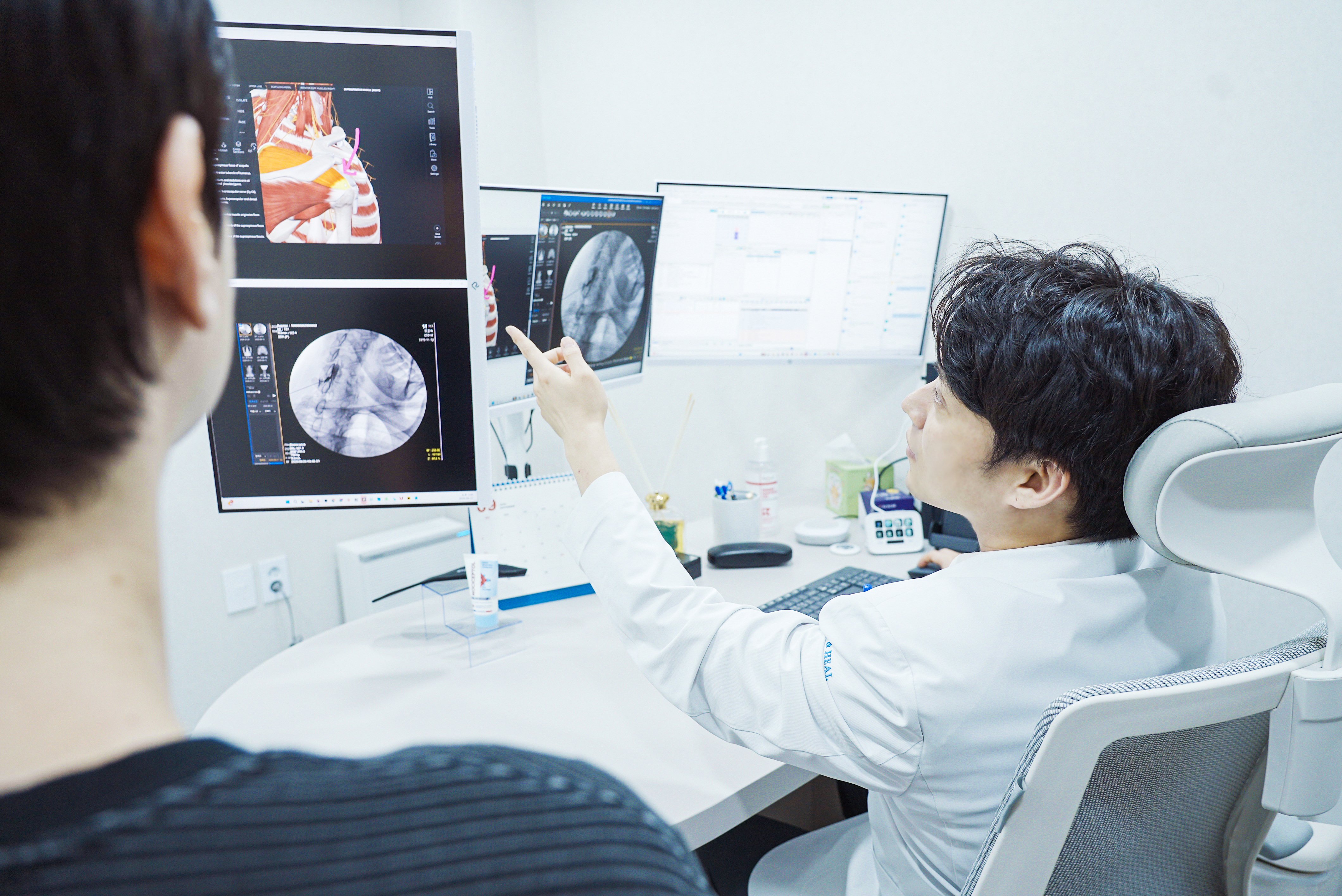
Preparation begins with a clear understanding of the proposed treatment and the instructions that apply to it. Ask the attending doctor what to expect before, during, and after the procedure, including any restrictions related to medicines, food, or travel. Instructions depend on the treatment plan and the patient’s health. Bone & Heal Clinic provides care in orthopedics and anesthesiology, where patients can discuss relevant symptoms and treatment questions.
Preparing for a consultation
A short written history can help keep the discussion focused. Note the location of pain, any symptoms in the arms or legs, and the activities that are difficult because of the condition. Include the treatments already tried and any important changes in symptoms. If relevant records are available, bring them along. A current medication list can also help the medical staff review potential considerations before recommending care.
Consider writing down the questions that matter most to you. These might include whether the symptoms are consistent with nerve irritation, whether further examination is needed, and what treatment options are reasonable. If a procedure is proposed, ask about its intended target, the expected recovery process, and the plan if symptoms do not improve. You can also ask how your medical history affects the recommendation. Preparation is not a substitute for an examination, but it can make the information shared during a consultation more complete. Avoid changing medicines or starting a new treatment solely to prepare for a visit without guidance from a healthcare professional.
Good preparation means bringing the information needed for a meaningful discussion, not assuming a particular procedure is necessary. The treatment plan and any pre-procedure instructions should be tailored to the individual.
Planning for recovery
Recovery instructions depend on the procedure performed, the medicines used, and the patient’s condition. Before leaving, ask the attending doctor what activity is appropriate, whether someone should accompany you, and when to resume usual routines. Follow the instructions given for your own care rather than relying on a general timetable. If anything is unclear, ask for clarification before the procedure.
It can be helpful to note how symptoms change after treatment and whether everyday activities become easier or more difficult. Record any new symptoms and discuss them at follow-up. Some discomfort can occur after a procedure, but the medical staff should explain which changes are expected and which require prompt attention. Ask how to contact the clinic if concerns arise and what to do if symptoms develop outside normal consultation arrangements. New or worsening neurological symptoms should be assessed promptly. Keeping the follow-up plan gives the attending doctor an opportunity to review the response to treatment and consider whether further care is needed.
Making an informed decision
A treatment decision should reflect both the clinical findings and the patient’s priorities. Some people are most concerned about pain during movement; others want to understand numbness or changes in function. Explain those priorities so the attending doctor can address them when discussing options. Ask how the proposed treatment relates to your diagnosis, what it cannot address, and what other approaches remain available.
Costs and the length of care depend on the assessment and treatment plan. Rather than assuming a procedure will be recommended, start with a discussion of symptoms and the appropriate next steps. If balloon catheter neuroplasty is considered, ask about the expected process and any practical arrangements before making a decision. Understanding the purpose, potential benefits, and considerations of care is more useful than choosing a treatment based on its name alone.
Bone & Heal Clinic offers consultations in orthopedics and anesthesiology. A consultation is an opportunity to describe symptoms, review relevant history, and discuss an appropriate course of care with the medical staff. Bring your questions and any records that help explain your condition. The aim is to reach a decision that fits the findings of the assessment and your individual circumstances.
Frequently Asked Questions
Q.What kind of care does Bone & Heal Clinic provide?
A.Bone & Heal Clinic provides care in orthopedics and anesthesiology.
Q.Who might benefit from discussing spinal symptoms at Bone & Heal Clinic?
A.People with back pain or symptoms such as pain, tingling, numbness, or weakness in a limb can discuss their concerns with the medical staff. An assessment helps determine the appropriate next steps.
Q.How can I find out whether balloon catheter neuroplasty is appropriate for me?
A.Discuss your symptoms, medical history, and previous treatment with the medical staff. Ask whether the procedure is available and appropriate for your condition.
Q.What should I prepare before a consultation?
A.Bring a list of your current medications and any relevant imaging reports or treatment records you have. It can also help to write down where your symptoms occur and how they affect daily activities.
Q.Where is Bone & Heal Clinic, and how can I contact the clinic?
A.Bone & Heal Clinic is at 143-5, Nonhyeon-dong, Gangnam-gu, Seoul, Republic of Korea. The phone number is 02-6673-7582.
Clinic Information
| Clinic | Bone & Heal Clinic |
|---|---|
| Specialty | orthopedics,anesthesiology |
| Address | 143-5, Nonhyeon-dong, Gangnam-gu, Seoul, Republic of Korea |
| Phone | 02-6673-7582 |
| Website | https://bonenheal.co.kr |
| Specialist | Specialist care |
 Bone & Heal Clinic