

Gangnam Spine Specialist: Start With Your Symptoms
Back and neck pain can have many causes, and the right next step depends on more than where it hurts. Consider whether discomfort stays in one area or travels into an arm or leg, and whether you have noticed numbness or weakness. A clear description of your symptoms helps the medical staff decide what to assess and which questions to ask. Bone & Heal Clinic provides care in orthopedics and anesthesiology, fields relevant to evaluating musculoskeletal conditions and managing pain.
Recognize patterns in back and neck pain
Spine-related discomfort can feel different from person to person. Some people notice stiffness after sitting, while others experience pain during movement or symptoms that interrupt sleep. Pain that travels into a limb is also worth describing, especially when it occurs alongside tingling, numbness, or weakness. These patterns do not establish a diagnosis on their own, but they give the attending doctor useful context. Be prepared to explain which activities aggravate symptoms and what, if anything, makes them more manageable.
It is also helpful to distinguish a recent change from a problem that has developed gradually. Tell the medical staff when you first noticed the discomfort, whether it followed an injury, and whether it has remained stable or changed over time. If symptoms come and go, describe how often they occur and how long they tend to last. Function matters as much as the sensation itself: difficulty walking, working, sleeping, or carrying out routine tasks can help show how the problem affects your life. Avoid relying on a label you found online; a description of what you actually feel is often more useful at the start of an assessment.
Start with the pattern of symptoms, not an assumed diagnosis. Where the pain travels and how it affects daily activities can help guide the clinical conversation.
Know when to seek urgent care
Some symptoms should not wait for a routine spine appointment. Seek emergency medical attention for new loss of bladder or bowel control, numbness around the groin or saddle area, or rapidly worsening weakness in the legs. Severe back or neck pain after a significant injury also needs prompt medical assessment. These signs can indicate a serious condition that requires urgent evaluation rather than a standard consultation.
Other circumstances also warrant prompt medical advice, including back pain accompanied by fever or unexplained illness. Let a clinician know about a history of cancer, recent infection, or other relevant medical conditions when discussing new or persistent pain. The urgency of an assessment depends on the full clinical picture, so do not assume that pain severity alone tells you whether a problem is serious. If you are unsure how urgently to seek help, contact an appropriate medical service and describe the symptoms clearly. New neurological changes deserve particular attention, even when pain itself does not seem severe.
Consider how symptoms affect your routine
Before choosing a clinic, think about what you need from the visit. You might want an explanation for persistent discomfort, advice about returning to activity, or help understanding why symptoms recur. A practical goal gives the discussion direction without assuming that one treatment will suit everyone. For example, being able to sit comfortably at work or resume walking can be more informative than simply saying you want less pain.
Write down the activities that are difficult and any adjustments you have already made. Include sleep disruption, changes in exercise, and limitations at work or home if relevant. This record can help the attending doctor understand the impact of your symptoms and discuss a plan suited to your circumstances.
It is reasonable to ask how progress will be assessed and when to seek further advice if symptoms change. A useful care plan should connect the clinical findings with your goals and explain what to do next. Keep in mind that changes may take time depending on your individual condition, and the appropriate approach can change as more information becomes available.
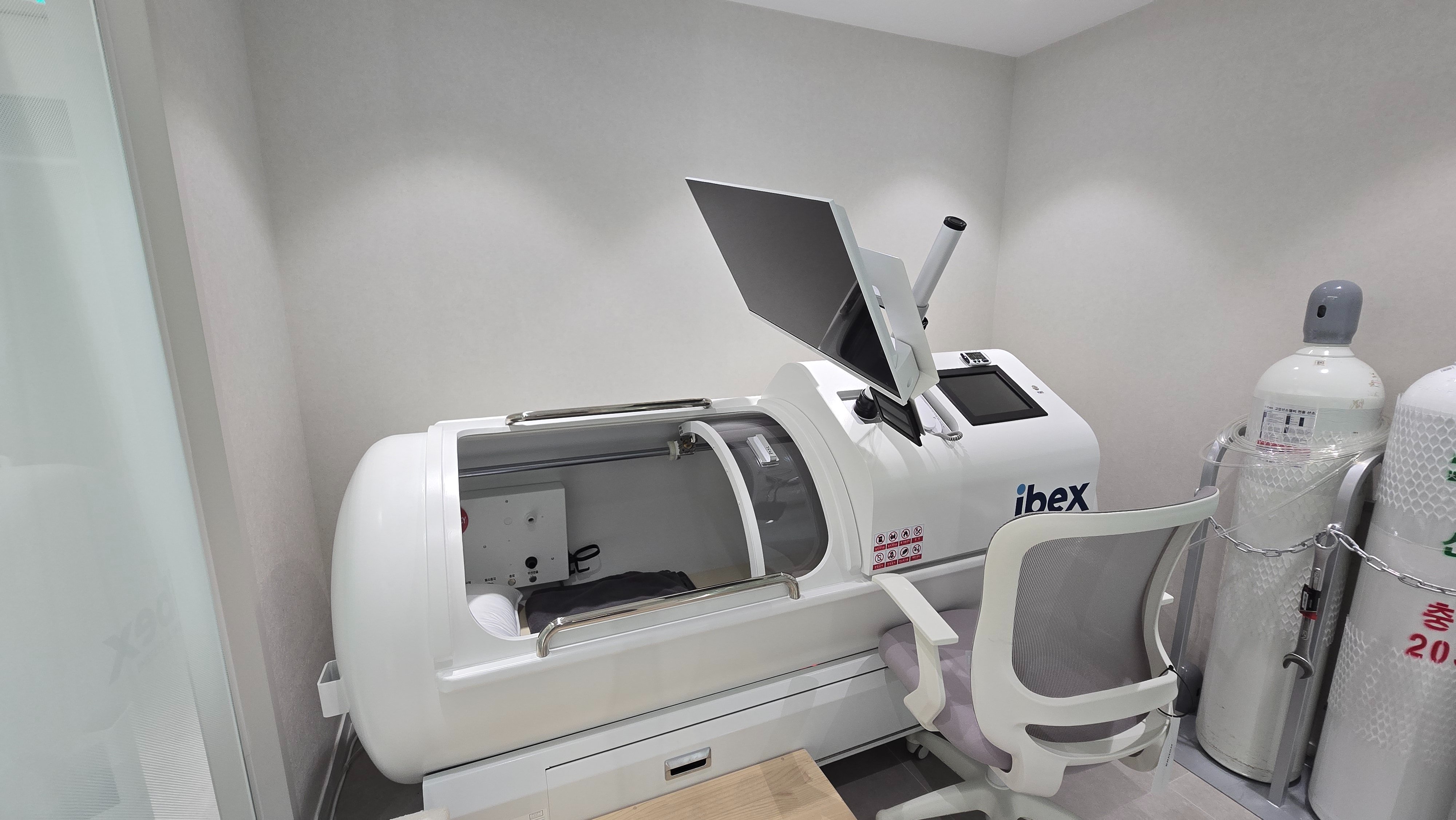
Gangnam Spine Specialist: How to Assess Your Care Options
When comparing care options, look beyond a search result or a treatment name. The more useful question is whether the clinical discussion addresses your symptoms, medical history, examination findings, and personal goals. Orthopedics concerns the musculoskeletal system, while anesthesiology includes the care of patients experiencing pain. At Bone & Heal Clinic, these are the stated fields of care. The attending doctor can discuss which assessment and management options are appropriate for your individual situation.
Ask how the assessment works
A spine consultation generally begins with questions about symptoms and medical history. Depending on the circumstances, an attending doctor may also examine movement, strength, sensation, or reflexes. The purpose is to understand the problem before deciding whether further evaluation is needed. Ask what the findings suggest and whether there are other possible explanations for your symptoms. A clear explanation should distinguish what is known from what still needs to be assessed.
Imaging is not automatically necessary for every episode of back or neck pain. A clinician may consider it when the history or examination suggests that the result could help guide care. If imaging is recommended, ask what question it is intended to answer and how the result could affect the next step. If it is not recommended, ask which changes in symptoms would make reassessment appropriate. Good decision-making is not about requesting every available test; it is about understanding why a particular test is, or is not, useful in your case. Bring any relevant previous reports if you have them, so the medical staff can consider them alongside your current symptoms.
A thoughtful assessment connects your history and examination with the next clinical decision. Ask why a test or treatment is being considered and what information it is expected to provide.
Discuss treatment goals and choices
Care for spine-related symptoms depends on the diagnosis, severity, and effect on daily life. General approaches can include advice about activity, rehabilitation, medication, or other interventions when clinically appropriate. These are examples of approaches a clinician may discuss, not a list of services offered by Bone & Heal Clinic. Ask the attending doctor which options fit your condition and why, as well as what improvement would realistically look like for you.
During the discussion, explain any preferences or concerns that could affect your ability to follow a plan. A recommendation may be difficult to put into practice if it conflicts with your work, responsibilities, or other health needs. Ask what each option involves, what benefits it is intended to provide, and what limitations or risks you should understand. It is also appropriate to ask whether a less intensive approach can be considered first and when a different approach might be needed. Shared decisions work best when the reasoning is clear: you should understand both the proposed next step and the reason it fits your circumstances.
Points to consider before treatment
Any treatment decision should account for your medical history, current medications, allergies, and previous experiences with care. Tell the attending doctor if you are pregnant or have another condition that may affect treatment choices. Ask whether there are precautions relevant to the proposed approach and what symptoms should prompt you to seek medical advice afterward. The information you need will depend on the treatment being considered.
Do not interpret a recommendation as a promise of a particular outcome. Responses to care differ, and changes may take time depending on individual condition. A clinician can explain how progress will be reviewed and whether the plan should be adjusted if your symptoms do not improve or if new symptoms develop.
Before agreeing to care, make sure you understand what you are being offered and have had an opportunity to ask questions. If the explanation is unclear, ask for it in plain language. An informed choice includes understanding the purpose, alternatives, and relevant precautions. You can also ask what follow-up is appropriate and how to report a change in your condition.
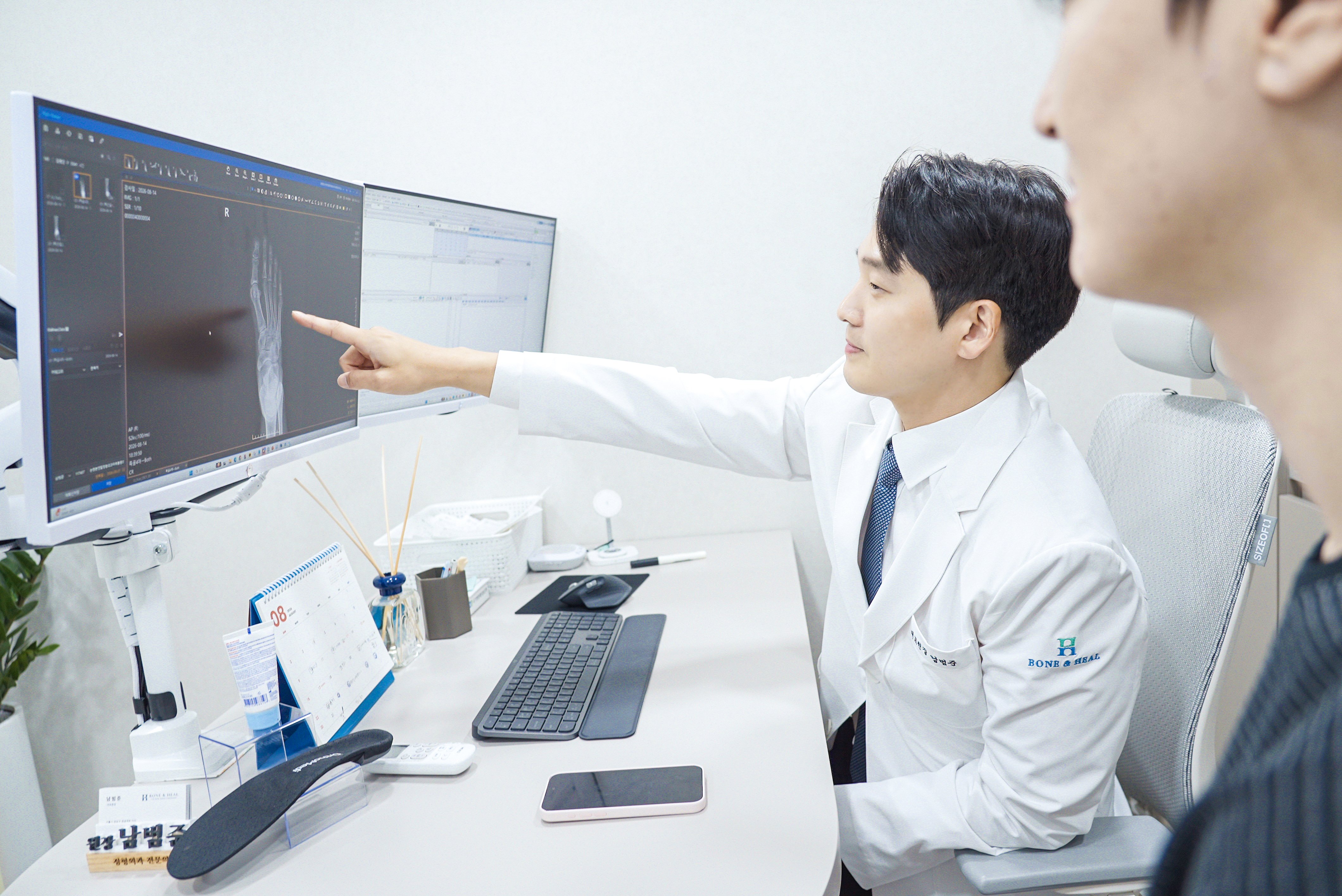
Gangnam Spine Specialist: Prepare for a Productive Visit
Preparation can make a consultation more focused, particularly if symptoms have been present for some time or you have already sought care. Bring a concise account of the problem rather than trying to recall every detail during the appointment. Include relevant medical records when available and make a list of questions you want answered. The aim is not to arrive with a diagnosis, but to give the medical staff a reliable picture of your health and priorities.
Organize your medical information
Note when symptoms began, where you feel them, and whether they spread into an arm or leg. Record any numbness, tingling, or weakness, along with activities that make symptoms better or worse. If you have had similar problems before, mention what happened and whether previous care helped. A short written summary can be useful if pain fluctuates or if you find it difficult to remember details during a consultation.
Bring a current medication list, including medicines you take without a prescription and any supplements. Relevant past diagnoses, surgeries, allergies, and prior test results can also help the attending doctor understand your situation. If you have imaging reports or other records related to the problem, bring them along when available. You do not need to interpret the results yourself; explain what you were told and let the medical staff review the information in context. Be candid about what has and has not helped. That includes exercises, changes in activity, or medicines you have tried, as well as any difficulties following an earlier plan.
A brief symptom history and a current medication list can make the visit more useful. Bring previous records when you have them, but let the attending doctor interpret them alongside your present symptoms.
Prepare questions that support a decision
Start with questions about the likely cause of your symptoms and whether anything needs further assessment. You can also ask what findings support the working diagnosis and whether other explanations remain possible. If a treatment is proposed, ask what it is intended to achieve, what it involves, and what alternatives are reasonable. These questions help turn a broad discussion into an actionable plan.
Ask how the proposed plan relates to your day-to-day goals. For instance, you may want to know how to approach work, exercise, or sleep while symptoms are being assessed. Discuss what activity changes are appropriate for you rather than applying general advice without context. It is also useful to ask what to do if symptoms worsen, which changes require urgent attention, and when a follow-up assessment would be appropriate. If you are weighing more than one option, ask the attending doctor to explain the trade-offs in terms you can use to decide. You should leave with a clear understanding of the next step, even if the diagnosis or longer-term plan still requires further evaluation.
Plan the practical details
Before visiting Bone & Heal Clinic, consider what information you need about arranging an appointment and preparing for the consultation. You can ask about the expected process and whether any records should be brought. If cost is important to your decision, ask for an explanation of the charges associated with the care being discussed before proceeding.
During the visit, take notes or bring someone who can help you remember the discussion if that is useful to you. Review the recommended next steps before leaving, including any instructions relevant to your condition. If a term or recommendation is unfamiliar, ask the medical staff to clarify it.
Finally, keep track of changes after your appointment. Note whether symptoms are improving, staying the same, or affecting new areas, and follow the advice you receive about when to seek further care. The right choice is a care plan you understand and can discuss openly with the attending doctor.
Frequently Asked Questions
Q.What kind of care does Bone & Heal Clinic provide?
A.Bone & Heal Clinic is an orthopedics and anesthesiology clinic in Gangnam.
Q.Who might consider an appointment?
A.Someone seeking medical advice about back or neck pain may consider an appointment. The appropriate assessment depends on the symptoms and the individual’s medical history.
Q.What treatment can I expect for back pain?
A.Treatment depends on the assessment and the individual condition. Ask the attending doctor which options are appropriate and what each is intended to achieve.
Q.What should I prepare before my visit?
A.Write down your symptoms, current medications, and relevant medical history. Bring previous reports related to the problem if you have them.
Q.Where is Bone & Heal Clinic, and how can I contact the clinic?
A.Bone & Heal Clinic is at 143-5, Nonhyeon-dong, Gangnam-gu, Seoul, Republic of Korea. Call 02-6673-7582 for appointment inquiries.
Clinic Information
| Clinic | Bone & Heal Clinic |
|---|---|
| Specialty | orthopedics,anesthesiology |
| Address | 143-5, Nonhyeon-dong, Gangnam-gu, Seoul, Republic of Korea |
| Phone | 02-6673-7582 |
| Website | https://bonenheal.co.kr |
| Specialist | Specialist care |
 Bone & Heal Clinic