
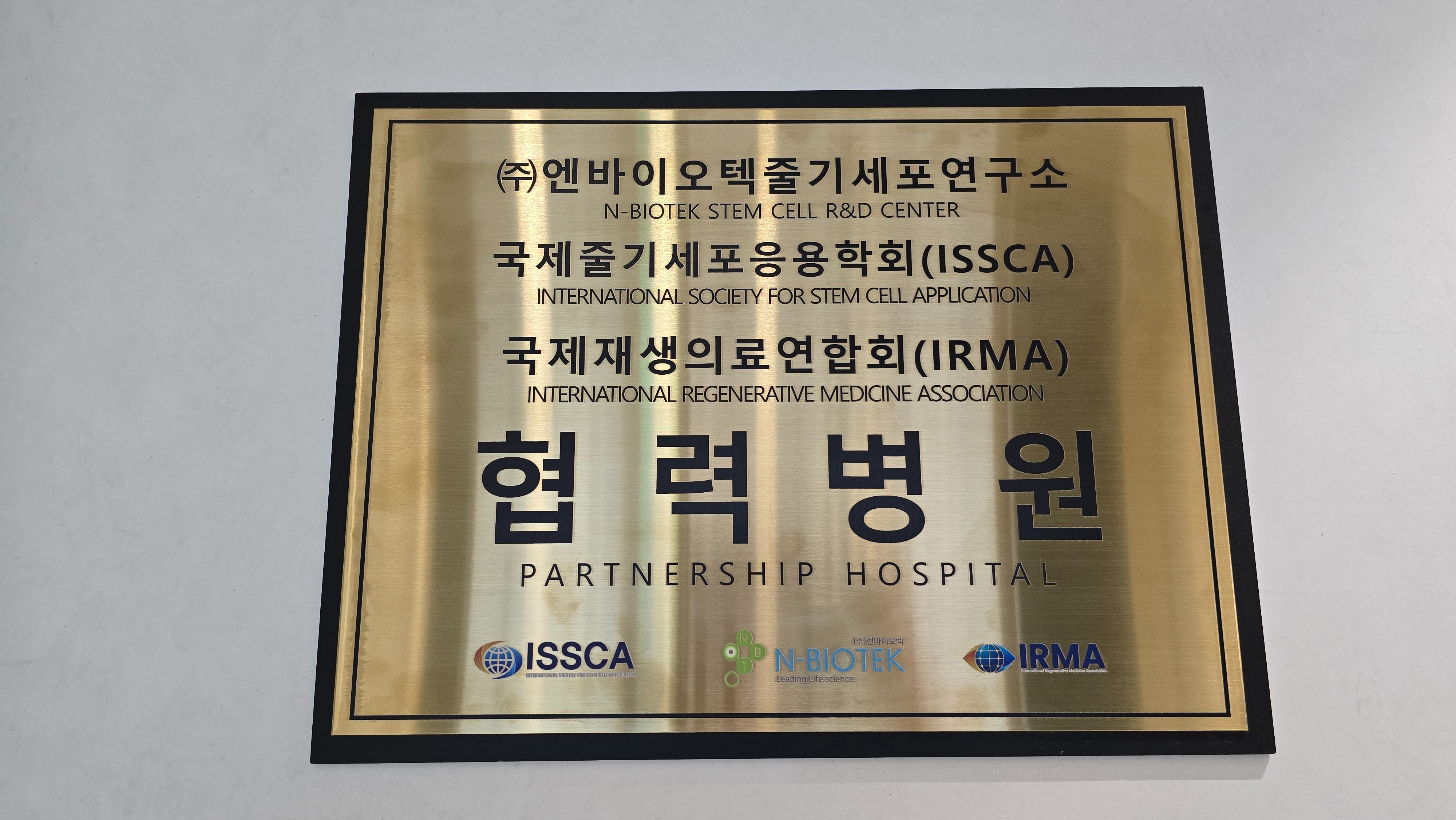
Understanding Seoul Joint Stem Cell Treatment
Joint pain can have many causes, including injury, inflammation, and degenerative changes. A stem cell treatment is one approach patients may encounter when researching care, but the term covers different biological preparations and techniques. A clear diagnosis is the starting point for deciding whether any treatment is appropriate. Bone & Heal Clinic provides care in orthopedics and anesthesiology. During a consultation, patients can discuss their symptoms and ask whether a proposed treatment is relevant to their condition.
What the treatment involves
Stem cells are cells that can develop into certain other types of cells under appropriate conditions. In joint care, treatments described as stem cell therapies generally involve introducing a biological preparation into or around an affected area. The source of the cells, how the material is processed, and the intended purpose can differ. These distinctions matter because a name alone does not explain what a patient would receive or what evidence supports its use.
Some preparations discussed in medical research come from a patient’s own tissue, such as bone marrow or fat. Others may use donor-derived material. Processing methods also differ, and not every product described as a stem cell treatment contains the same type or concentration of cells. A patient considering a procedure should ask how the preparation is obtained, what it contains, and how it is administered. It is also reasonable to ask whether the approach is an established treatment for the specific diagnosis or remains under investigation. Research findings for one preparation should not automatically be applied to another. Understanding these details helps patients compare a proposed procedure with other options on a meaningful basis.
“Stem cell treatment” is a broad label, not a complete description of a procedure. Ask what preparation is being proposed and what evidence applies to your particular joint condition.
Why a diagnosis matters
Pain in a joint does not identify its cause on its own. The location of discomfort, the timing of symptoms, previous injuries, and findings from an examination all contribute to a clinical assessment. Depending on the situation, the attending doctor may also consider imaging or other tests. The same symptom can call for different care plans, so treatment decisions should follow an assessment rather than a search for a procedure alone.
For example, a patient with recent pain after an injury may need a different evaluation from someone whose discomfort has developed gradually. Stiffness, swelling, instability, and changes in movement can also help the medical staff understand the problem. Before a visit, note when symptoms began, which activities affect them, and whether the joint has been injured or treated before. Bring relevant records or images if available. These details can help make the consultation more useful and reduce the chance of overlooking information that affects the choice of care. If pain is accompanied by a hot, markedly swollen joint, fever, or an inability to bear weight after an injury, seek prompt medical assessment rather than waiting to discuss an elective procedure.
What current evidence can and cannot tell you
Research into cell-based treatments for joint conditions is ongoing. Studies differ in the conditions examined, the preparations used, and the outcomes measured, which makes direct comparisons difficult. Some studies assess symptoms or function, while others investigate structural changes. Improvement in symptoms should not automatically be described as proof that cartilage has regrown. Ask the attending doctor which outcomes have been studied for the specific treatment under consideration.
Evidence also needs to be considered alongside the stage of the condition and the patient’s overall health. A study involving one group of patients does not establish that every patient with joint pain will respond in the same way. Ask about the quality and limitations of the evidence, including how long patients were followed and whether the results have been compared with another treatment. Changes may take time depending on individual condition, and an individual response cannot be predicted with certainty.
Regulatory status is another useful point to discuss. Approval, permitted use, and oversight can differ by product and jurisdiction, so a general statement about stem cell research does not establish that a particular preparation is approved for a particular use. Before proceeding, ask the medical staff to explain the status of the proposed treatment and whether it is being offered as routine care or as part of a research study. The distinction can affect consent and follow-up.
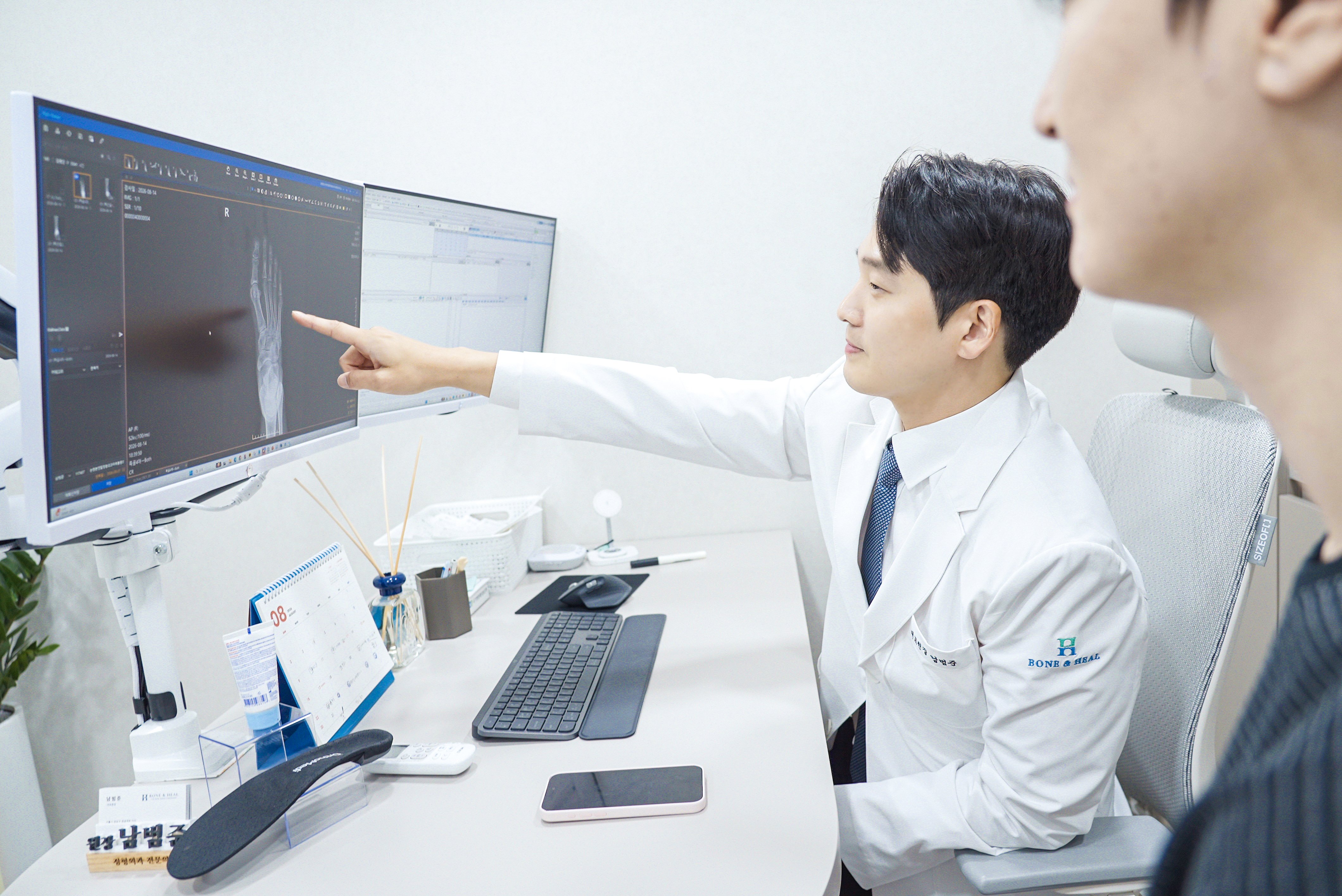
Planning Seoul Joint Stem Cell Treatment
A productive consultation connects the proposed treatment to the patient’s diagnosis, goals, and medical history. At Bone & Heal Clinic, patients can discuss joint concerns within the fields of orthopedics and anesthesiology and ask about suitable care options. Patients interested in a stem cell procedure should ask the medical staff whether a specific approach is available and appropriate for their circumstances. It is also important to understand alternatives before making a decision.
Preparing for a consultation
Start by describing the problem in practical terms: where the joint hurts, when symptoms began, and how movement or daily activities are affected. Note any previous injury, examination, or treatment involving the same area. A list of medicines and relevant medical conditions can help the attending doctor assess the broader picture. If you have reports or images from earlier care, bring them or ask how to share them before the appointment.
It can also help to write down your goals. For one patient, the priority may be walking more comfortably; for another, it may be returning to a particular activity. Explain what you have already tried and whether it helped. During the consultation, ask what the diagnosis is, how certain it is, and whether further evaluation is needed. If a cell-based procedure is discussed, ask how it relates to that diagnosis rather than assuming it is appropriate for every form of joint pain. You can also request an explanation of the procedure in plain language, including where the material comes from and what the appointment would involve. A written list of questions makes it easier to revisit details after the discussion.
A useful consultation begins with the joint problem, not the procedure name. Bring your history and goals so the medical staff can explain options in context.
Comparing treatment options
A care plan may include approaches other than a cell-based procedure. Depending on the diagnosis, the attending doctor may discuss activity changes, rehabilitation, medication, injections, surgery, or other measures. Not every option is appropriate for every patient, and a recommendation should account for the condition and its severity. Ask what each option is intended to address and how its likely benefits and risks compare.
When considering any procedure, discuss the evidence for the specific condition rather than relying on broad claims about regenerative medicine. Ask whether the aim is symptom relief, improved function, or another outcome, and how progress would be assessed. It is also reasonable to ask what would happen if symptoms did not improve and whether pursuing one treatment would affect the timing of another. Choosing care is a shared decision: the medical staff explain the options, and the patient weighs them against personal goals and preferences. Take time to review the information and ask follow-up questions before giving consent. A second medical opinion can also help when the diagnosis or choice between treatments is unclear.
Questions to ask about a proposed procedure
If a stem cell treatment is offered, ask for the name and source of the preparation, how it is processed, and how it would be administered. Discuss whether any tissue would need to be collected and what that step involves. These questions help distinguish the proposed procedure from other treatments that use similar terminology. Ask about the evidence for the preparation in patients with a condition like yours.
Practical questions are equally important. Ask what preparation is required, what restrictions may apply afterward, and how follow-up will be arranged. Request an explanation of possible complications, including risks related to the procedure and to the material used. Costs should be discussed for the proposed care plan before treatment. The medical staff can explain which services are included and whether any additional assessment or follow-up is recommended.
| Discussion topic | Question to ask |
|---|---|
| Diagnosis | What is causing my joint symptoms? |
| Preparation | What material would be used, and where would it come from? |
| Evidence | What is known about this approach for my condition? |
| Alternatives | What other options should I consider? |
| Follow-up | How would progress and complications be assessed? |
Use the answers to build a complete picture rather than focusing on a single claim. A proposed treatment should make sense for the diagnosis, have a clearly explained purpose, and fit the patient’s circumstances. If any part of the explanation is unclear, ask the medical staff to clarify it before proceeding. Written instructions and a clear follow-up plan can also make it easier to understand what to expect after a procedure.
Seoul Joint Stem Cell Treatment: Benefits and Considerations
The potential benefit of a joint treatment depends on what it is designed to do and how well it has been studied for a particular condition. Patients may seek relief from discomfort or an improvement in daily function, but outcomes cannot be assured. Any discussion of potential benefits should be accompanied by an explanation of uncertainty, risks, and alternative care. The medical staff can help relate these points to an individual diagnosis.
Discussing potential benefits realistically
Some cell-based treatments are being studied for their potential to influence symptoms or the joint environment. The findings depend on the condition and preparation examined, and research does not establish the same effect for every treatment sold or described under a similar name. Ask what benefit is supported by evidence for the proposed approach and how that benefit would be measured. Examples include changes in pain, mobility, or the ability to carry out daily activities.
A useful discussion also separates patient-reported improvement from structural findings. Feeling more comfortable is meaningful, but it does not necessarily show that damaged tissue has regenerated. Conversely, a test result should be interpreted alongside how a patient feels and functions. Ask the attending doctor what would count as a meaningful response in your case and when it would be reasonable to review progress. Changes may take time depending on individual condition, and follow-up can help determine whether the care plan remains appropriate. If a treatment is presented as an alternative to another intervention, ask whether there is evidence for that comparison. This gives you a clearer basis for deciding whether the expected benefit justifies the procedure.
Potential benefits should be described in terms that matter to the patient, such as comfort and function. Evidence and expectations must remain specific to the proposed treatment and diagnosis.
Points to consider before treatment
Any invasive procedure can carry risks. Depending on what is done, these can include pain, bleeding, or infection, as well as risks associated with collecting tissue or introducing a preparation into the body. The relevant risks depend on the technique, the material used, and the patient’s health. Ask the medical staff to explain the risks that apply to the proposed procedure and the signs that should prompt medical attention afterward.
Before agreeing to treatment, discuss medical conditions, medicines, allergies, previous procedures, and any history that could affect care. Do not stop or change prescribed medication without instructions from the attending doctor. Ask how the preparation is handled, what steps are taken to reduce procedural risks, and whether there are circumstances in which the treatment would not be advised. You should also understand what is known—and not known—about longer-term outcomes for the specific approach. Informed consent includes the opportunity to ask questions and consider alternatives. If a procedure is part of a study, ask how participation, monitoring, and withdrawal are handled. These details support a decision based on the actual treatment rather than an assumption about the broader field.
Follow-up and ongoing joint care
Follow-up is an opportunity to review symptoms, function, and any concerns after treatment. Ask the medical staff when to seek advice and what changes should be assessed promptly. Depending on the diagnosis and procedure, a care plan may include guidance on activity or rehabilitation. The appropriate plan is individual, so ask for instructions that match your treatment rather than applying general advice without discussion.
Keep track of the activities that matter to you and any changes in pain or movement. This information can help the attending doctor assess progress alongside the clinical examination. If symptoms persist or new concerns arise, discuss them rather than assuming they are a routine part of recovery. The medical staff can review whether further assessment or a change in the care plan is appropriate.
For patients exploring care at Bone & Heal Clinic, the next step is a conversation about the joint concern and the options relevant to it. Bring your questions about diagnosis, evidence, risks, alternatives, and costs. A treatment decision is most useful when it is grounded in a clear assessment and an understanding of what the proposed care can—and cannot—be expected to do.
Frequently Asked Questions
Q.What kind of care does Bone & Heal Clinic provide?
A.Bone & Heal Clinic provides care in orthopedics and anesthesiology.
Q.Who might consider visiting Bone & Heal Clinic?
A.People with joint pain or other concerns they would like to discuss in an orthopedic consultation can contact Bone & Heal Clinic.
Q.Can I ask about stem cell treatment for a joint condition?
A.Yes. Ask the medical staff whether a specific approach is available and appropriate for your diagnosis, and discuss its evidence and alternatives.
Q.What should I prepare before my visit?
A.Note your symptoms, previous injuries and treatments, and current medicines. Bring relevant medical records or images if you have them.
Q.Where is Bone & Heal Clinic, and how can I contact the clinic?
A.Bone & Heal Clinic is at 143-5, Nonhyeon-dong, Gangnam-gu, Seoul, Republic of Korea. Call 02-6673-7582 to ask about an appointment.
Clinic Information
| Clinic | Bone & Heal Clinic |
|---|---|
| Specialty | orthopedics,anesthesiology |
| Address | 143-5, Nonhyeon-dong, Gangnam-gu, Seoul, Republic of Korea |
| Phone | 02-6673-7582 |
| Website | https://bonenheal.co.kr |
| Specialist | Specialist care |
 Bone & Heal Clinic