

Choosing a Gangnam pain management specialist
Pain can interfere with work, sleep, movement, and everyday activities. Finding appropriate care starts with understanding what you need from a consultation rather than choosing on the basis of a title alone. Look for a clear assessment, an explanation you can follow, and a plan that takes your circumstances into account. Bone & Heal Clinic offers care in orthopedics and anesthesiology, fields that can be relevant when discussing pain. The right approach depends on the symptoms, medical history, and clinical findings.
Start with the nature of your pain
Before contacting a clinic, describe the pain as precisely as you can. Consider where it occurs, when it began, and whether it is constant or comes and goes. Note whether certain movements, positions, or activities make it better or worse. These details help organize the conversation with the attending doctor. Pain is a symptom, not a diagnosis, so a description alone cannot establish its cause. A consultation allows the medical staff to consider those details alongside the rest of your history.
It can also help to identify what the pain prevents you from doing. For example, you might have difficulty sitting comfortably, climbing stairs, lifting objects, or sleeping. Explain whether your activities have changed because of the discomfort and whether you have noticed a change over time. If you have already tried anything to manage the pain, be ready to describe what you used and how you responded. Include relevant medicines and previous care when discussing your history. A practical account of your symptoms and daily limitations gives the attending doctor context for assessing your concerns. You do not need to arrive with a diagnosis or decide in advance which treatment you want. The aim is to share enough information for a focused discussion and ask what the next step should be.
Choosing pain care starts with a useful conversation about symptoms, function, and medical history. A clear explanation of the assessment and next steps matters more than a title on its own.
Consider the fields of care
Orthopedics concerns conditions involving the musculoskeletal system, including bones, joints, muscles, and related structures. Anesthesiology includes the medical care of pain. These fields offer different perspectives that can be relevant to a pain assessment, depending on the individual case. Bone & Heal Clinic provides care in both orthopedics and anesthesiology. When arranging a visit, explain your main concern so you can discuss which aspect of care is relevant to your situation.
A clinic’s stated fields of care are a useful starting point, but they do not replace an individual assessment. Pain in the same area can have different causes, and the most appropriate next step depends on the full clinical picture. Ask the attending doctor how your symptoms relate to the findings from your consultation and whether further evaluation is appropriate. If a proposed plan is unfamiliar, request an explanation of its purpose and the alternatives. Understanding the reasoning behind a recommendation can help you participate in decisions about your care. It is also reasonable to ask what information would change the plan and how progress will be reviewed. The goal is not to select a field or treatment by name, but to understand how the recommended care addresses your particular concern.
Look for a clear consultation process
A useful consultation gives you space to describe your symptoms and ask questions. The medical staff should be able to explain what they are assessing, what the findings mean, and what options are appropriate to discuss. You can also ask whether there is anything you should monitor between appointments. Clarity about the plan is especially important when pain affects daily life. You should understand the purpose of the recommended next step before deciding how to proceed.
Bring a short list of priorities if you are concerned about forgetting something. You might ask why a particular assessment is recommended, what other approaches could be considered, and when to seek further advice. If the explanation is difficult to follow, ask the attending doctor to describe it in plain language. It is also appropriate to repeat your understanding of the plan and check whether you have interpreted it correctly. Good communication helps you leave with a practical understanding of what to do next.
| Consultation topic | What to discuss |
|---|---|
| Symptoms | Location, onset, pattern, and activities that affect the pain |
| Daily function | Work, sleep, movement, and activities affected by discomfort |
| Medical history | Relevant medicines, previous care, and responses to prior approaches |
| Care plan | The reason for recommendations, alternatives, and follow-up |
The questions in this checklist can help you compare consultations on meaningful grounds. A plan should address your concerns and make sense in light of the information available at the visit. If further assessment is recommended, ask what it is intended to clarify. If a treatment is discussed, ask about its purpose and what you should consider before deciding. Keeping notes can make it easier to review the discussion afterward and identify any questions you still have.
Evaluating care from a Gangnam pain management specialist
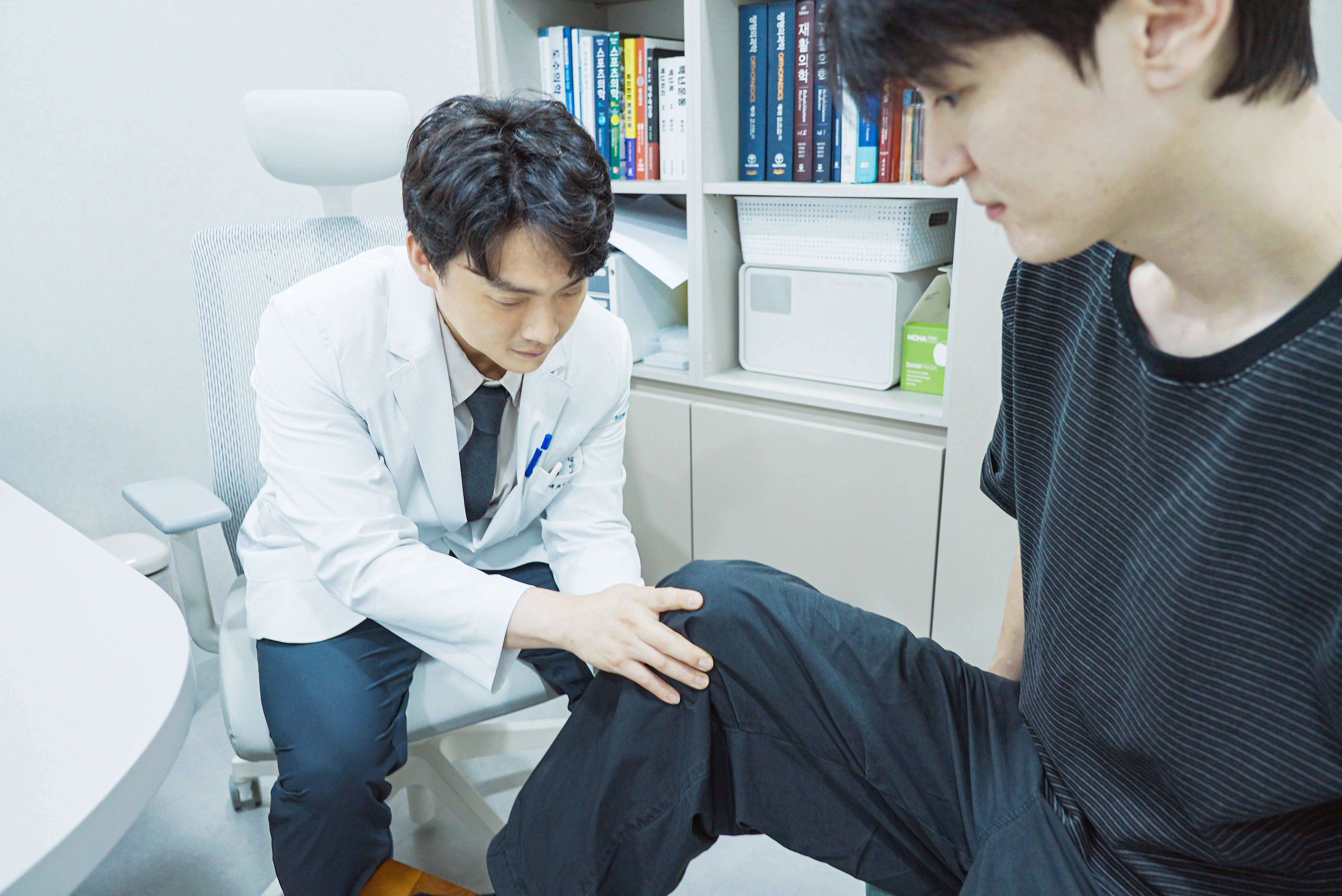
When comparing pain care, focus on the quality of the assessment and the explanation of options. An attending doctor needs to consider more than the location of discomfort: its pattern, effect on function, and relevant medical history all matter. Care decisions should follow an individual assessment rather than an assumption that the same approach suits everyone. Ask how the proposed next step relates to your symptoms and what the medical staff expect to learn or address through it.
Understand the assessment
An assessment begins with a discussion of your symptoms and history. Depending on the concern, the attending doctor may also consider physical findings or whether further evaluation is needed. Ask what the assessment is intended to establish and whether there are other possible explanations for your discomfort. If a cause cannot be identified immediately, ask how the medical staff recommend proceeding. A clear discussion can help you understand what is known at that point and what still needs attention.
Be specific about changes you have noticed. Describe whether the pain is associated with movement or occurs while you are resting, and mention any relevant change in strength, sensation, or ability to carry out routine tasks. Share information about previous injuries or care if it relates to the current problem. You can also explain what concerns you most, whether that is the discomfort itself, its effect on sleep, or difficulty returning to an activity. The attending doctor can then consider your account in context and explain the assessment. A useful consultation does not require you to use medical terminology. Plain descriptions are often the most practical way to communicate what you are experiencing. If you do not understand a term, ask for an explanation before moving on to the proposed plan.
A thoughtful assessment connects your symptoms and daily limitations with the clinical discussion. Ask what the findings mean and how they inform the next step.
Discuss options and expectations
Once the assessment is complete, ask the attending doctor to explain the options relevant to your situation. A helpful discussion covers the purpose of each option, what it involves, and any points you should consider before making a decision. It is reasonable to ask whether an alternative approach is appropriate and what might happen if the plan needs to change. Treatment decisions should reflect both clinical findings and your individual circumstances.
Expectations also deserve careful discussion. Pain experiences differ, and a response to care cannot be predicted with certainty. Ask how progress will be evaluated and what changes would be meaningful for you. These might include improved comfort during an activity, better sleep, or greater ease with everyday movement. Changes may take time depending on individual condition, and the plan may need to be reviewed as new information becomes available. If a recommendation involves a procedure or medicine, ask about its intended purpose, relevant risks, and any instructions you would need to follow. Discuss your preferences and any concerns you have about the proposed approach. You can also ask when to contact the clinic if symptoms change or if you need clarification. The aim is an informed decision, not a promise of a particular outcome.
Points to consider before treatment
Before agreeing to care, make sure you understand the recommendation and have shared relevant health information. Tell the attending doctor about medicines you use, previous reactions, and any other circumstances that may matter to the discussion. Ask what preparation is needed, whether there are activities to avoid, and how to recognize a concern that needs further attention. The answers depend on the proposed care and your health, so individual guidance is important.
Cost and scheduling are practical considerations as well. Ask for an explanation of the expected charges and how appointments are arranged before making a decision. If more than one step is proposed, ask which parts of the plan are intended for assessment and which are intended for ongoing care. This can help you understand what you are agreeing to and prepare questions about the process. Do not hesitate to ask for clarification if any part of the plan is unclear.
Keep your priorities in view throughout the discussion. If your main concern is returning to a particular activity, explain what that activity involves and what currently limits you. If you are worried about a recommendation, say so and ask the attending doctor to address the concern. A plan is easier to follow when you understand its purpose, the next steps, and how to obtain advice if circumstances change.

Preparing for a Gangnam pain management specialist visit
A little preparation can make a pain consultation more focused. Gather the information you already have, consider the questions you want answered, and be ready to describe how the pain affects daily life. You do not need to interpret medical findings yourself. Bring relevant information and ask the attending doctor to explain how it relates to your current symptoms. Bone & Heal Clinic is located in Gangnam, Seoul, and can be contacted directly about arranging a visit.
Organize your symptom history
Write down where the pain occurs and when you first noticed it. Describe its pattern in ordinary language: for example, whether it is present throughout the day or appears with a particular movement. Note any changes you have observed and whether the discomfort affects sleep, work, or routine activities. A brief written record can be useful if the symptoms are difficult to describe or have changed over time.
Include any information that helps explain the context. If you have sought care for the same concern before, note what was discussed and whether you found anything helpful. Bring relevant records you already have, along with a list of medicines you use. Be accurate about what you remember, and say when you are unsure rather than guessing. Your account does not need to be lengthy; the most useful details are those that help the attending doctor understand the course of the problem and its effect on your life. If you have more than one concern, identify which is most important to discuss first. You can then ask whether the remaining concerns should be addressed during the same consultation or discussed separately. Preparing this information helps you use the appointment time effectively without trying to diagnose the problem yourself.
A concise symptom history and a few focused questions can make the consultation easier to navigate. Bring relevant information, describe your priorities, and ask for a clear explanation of the proposed next step.
Plan the questions you want answered
Think about what you need to understand before leaving the appointment. You might ask what the assessment suggests, whether more information is needed, and what options are appropriate to consider. If you receive a recommendation, ask how it relates to your symptoms and how progress will be reviewed. These questions give you a framework for the discussion while leaving room for the attending doctor to address the details of your case.
It is also useful to ask about practical instructions. If the medical staff recommend a next step, find out what you should do to prepare and whether there is anything you should monitor afterward. Ask how follow-up will work and whom to contact if you have a question about the plan. If costs are a concern, request an explanation before agreeing to care. You can take notes or ask for clarification at any point; understanding the plan is part of making an informed choice. Be candid about your preferences and constraints. For example, explain if your work or daily responsibilities affect your ability to attend appointments or follow instructions. The attending doctor can consider that information when discussing a suitable approach. Any decision should be based on your assessment and a conversation about the available options.
Arrange your visit
Bone & Heal Clinic provides care in orthopedics and anesthesiology. When contacting our clinic, briefly describe the reason for your visit and ask about the booking process. You can also ask what information to bring and whether there are any preparations relevant to your consultation. Keeping your description concise helps communicate the main concern while leaving the clinical details for your discussion with the attending doctor.
Before the appointment, review your symptom notes and medication list. Consider bringing relevant records you already have, particularly if they relate to the same concern. If you are unsure whether a document is useful, you can ask about it when arranging your visit. Prepare to describe both the discomfort and its effect on your daily activities. This provides a practical starting point for the consultation without assuming what the diagnosis or treatment will be.
After the visit, review the plan and any instructions you received. Make sure you understand the purpose of the next step and how to seek clarification if needed. If your symptoms change or you have concerns about the plan, contact the medical staff for advice. A good care discussion continues beyond the initial description of pain: it includes understanding what to do next and when to ask for help.
Frequently Asked Questions
Q.What kind of care does Bone & Heal Clinic offer?
A.Bone & Heal Clinic provides care in orthopedics and anesthesiology.
Q.Who might consider visiting Bone & Heal Clinic?
A.People who want to discuss pain and its effect on daily activities may consider a consultation. The appropriate next step depends on the individual assessment.
Q.How can I discuss a care plan at Bone & Heal Clinic?
A.Describe your symptoms and relevant medical history, then ask the attending doctor to explain the assessment and options appropriate to your situation.
Q.What should I prepare before my appointment?
A.Bring a concise description of your symptoms, a list of medicines you use, and any relevant records you already have. It can also help to write down your questions.
Q.Where is Bone & Heal Clinic, and how can I contact the clinic?
A.Bone & Heal Clinic is at 143-5, Nonhyeon-dong, Gangnam-gu, Seoul, Republic of Korea. Call 02-6673-7582 to ask about arranging a visit.
Clinic Information
| Clinic | Bone & Heal Clinic |
|---|---|
| Specialty | orthopedics,anesthesiology |
| Address | 143-5, Nonhyeon-dong, Gangnam-gu, Seoul, Republic of Korea |
| Phone | 02-6673-7582 |
| Website | https://bonenheal.co.kr |
| Specialist | Specialist care |
 Bone & Heal Clinic