
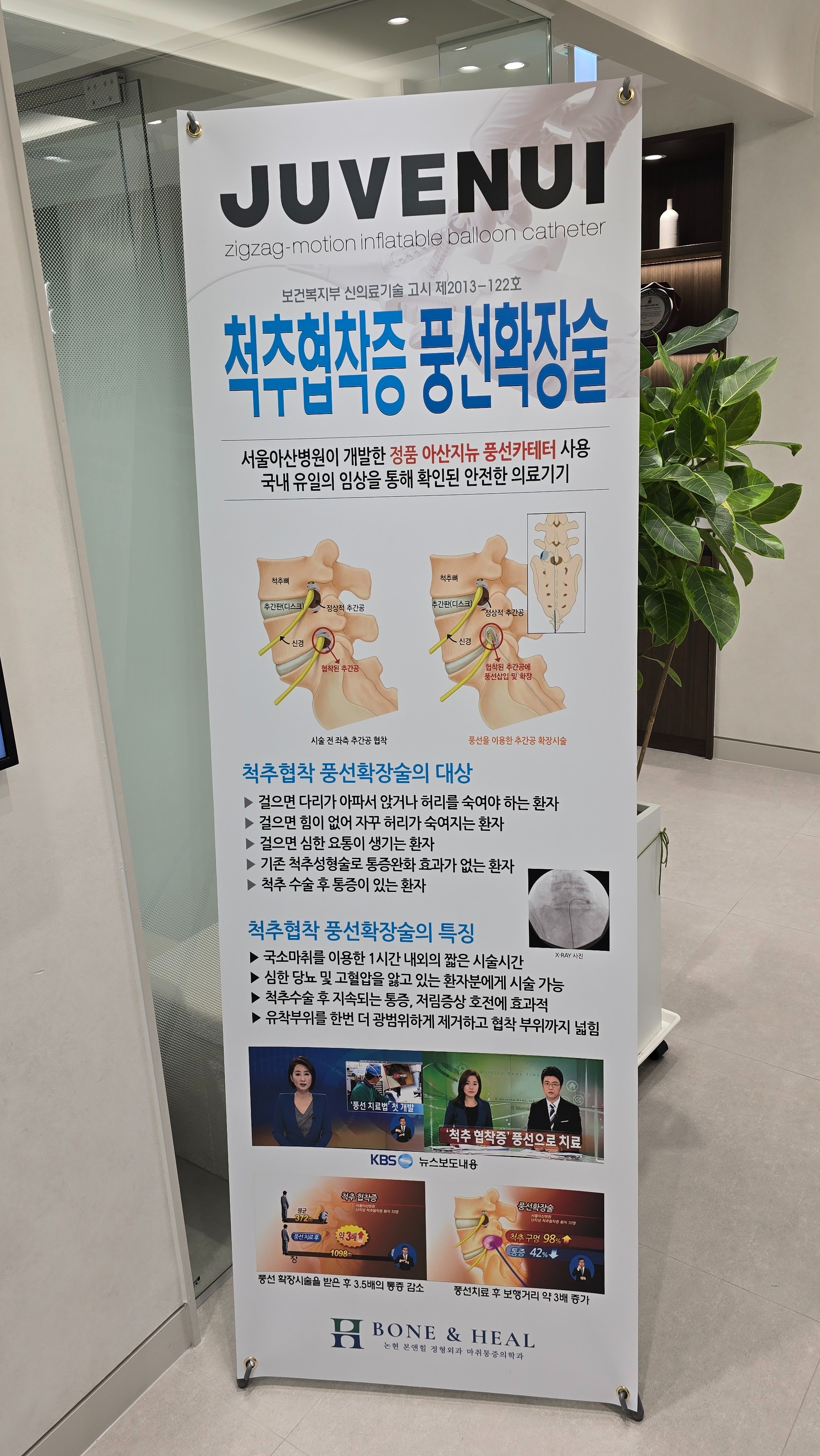
Seoul regenerative therapy: Understanding the concept
Regenerative therapy refers broadly to approaches intended to support or influence the body’s repair processes. The term covers different interventions, so it does not describe a single treatment or guarantee that damaged tissue will regrow. For someone experiencing joint, muscle, tendon, or other musculoskeletal pain, the first step is to understand the cause of the symptoms. A treatment decision should be based on the diagnosis, the available evidence, and the patient’s individual circumstances.
What regenerative care aims to address
Musculoskeletal symptoms can arise from injury, changes associated with aging, or other medical conditions. Some regenerative approaches are intended to support healing or reduce symptoms, but their aims differ. A proposed treatment might focus on pain, physical function, or a particular tissue problem. These goals should be discussed separately: feeling less pain is not the same as demonstrating that tissue has been repaired.
Before considering an intervention, ask the medical staff what it is intended to do and how progress would be assessed. A useful discussion includes the nature of the condition, the strength of the evidence for that specific use, and the expected course of care. Regenerative is a broad description rather than a measure of effectiveness. Understanding the proposed approach in practical terms can help patients compare it with other options and decide whether it fits their needs.
Regenerative therapy is an umbrella term, not a single solution. The diagnosis and the evidence for a particular approach matter more than the label.
Why the diagnosis comes first
Pain in the same area can have different causes. For example, discomfort around a joint does not automatically identify which structure is involved or explain why symptoms began. An assessment gives the attending doctor an opportunity to ask about the location, onset, and pattern of symptoms, as well as how they affect everyday activities.
Tell the medical staff whether pain followed an injury, develops during a particular movement, or persists at rest. Mention any previous evaluation or treatment and explain what helped or did not help. This history can guide the discussion of whether further assessment is appropriate. Choosing an intervention before understanding the problem can make it harder to judge whether the proposed care addresses the cause of the symptoms.
Setting a realistic goal
Patients may seek care because pain interferes with walking, work, sleep, exercise, or other activities. A meaningful treatment goal should connect with the activity that matters to the patient. Depending on the condition, the discussion might focus on managing discomfort or improving the ability to perform a particular movement.
Ask how the proposed approach will be assessed and what to do if symptoms do not improve. Responses differ between individuals, and changes may take time depending on the condition. A clear plan also leaves room to reassess the diagnosis or discuss another approach if needed.
At Bone & Heal Clinic, patients can discuss musculoskeletal concerns in the context of orthopedics and anesthesiology. Ask the medical staff which options are appropriate for your condition and whether a regenerative approach is relevant to your care.
Seoul regenerative therapy: Preparing for an assessment
A productive consultation starts with a clear account of the problem. Describe where symptoms occur, when they began, and how they affect daily life. Bring relevant information about previous care if you have it. This gives the medical staff context for discussing the condition and possible next steps. The purpose of an assessment is not simply to select a treatment; it is to understand what needs treatment and why.
Information to share with the medical staff
Describe your symptoms in your own words, including whether they are constant or related to movement. Note any changes over time and mention activities that make the problem better or worse. If you have experienced swelling, numbness, or weakness, tell the attending doctor rather than assuming those details are unrelated.
Your medical history is also relevant. Share current medications, allergies, and any health conditions that could affect care. If you have undergone an examination or treatment for the same concern, explain what happened and bring available records. You do not need to arrive with a self-diagnosis. A straightforward description of the problem can help the medical staff decide what to examine and which questions to ask next.
A clear symptom history helps make an assessment more focused. Explain how the problem affects you, and share information that could influence treatment decisions.
Questions to ask about your condition
Ask what the findings suggest and whether additional evaluation is needed. If the cause is not yet clear, ask what possibilities are being considered and what information would help distinguish them. It is reasonable to ask the attending doctor to explain unfamiliar terms in plain English.
Understanding the condition also means discussing its effect on function. Explain which movements or activities are difficult and whether symptoms have changed your routine. Ask what you can safely do while the assessment or treatment plan is underway. Advice should be tailored to the diagnosis rather than based only on the location of pain. If a proposed approach is discussed, ask how it relates to the problem identified during your assessment.
When to seek prompt medical attention
Some symptoms need prompt assessment rather than a routine discussion of treatment options. Seek urgent medical attention for sudden or severe weakness, or for loss of bladder or bowel control. Severe symptoms after an injury also warrant prompt evaluation.
Contact a medical professional promptly if a painful joint becomes hot and swollen, particularly if you also have a fever. These symptoms can have causes that need timely attention. Do not rely on a planned regenerative therapy consultation to address an urgent problem.
For ongoing, non-urgent symptoms, keep track of changes that could help the medical staff assess your condition. Note whether discomfort is becoming more frequent, limiting an additional activity, or accompanied by new symptoms. This information can make follow-up discussions more useful.
Seoul regenerative therapy: Comparing care options
Once the condition has been assessed, the next step is to discuss the available care options. The right choice depends on the diagnosis, the patient’s health, and the benefits and risks of each approach. Ask the attending doctor to explain why a particular option is being considered and what alternatives are relevant. An informed decision includes understanding both what a treatment may offer and what remains uncertain.
Evaluating the evidence
Evidence for a treatment should be considered in relation to the specific condition, not just a broad description such as joint pain. Ask whether the proposed approach has been studied for your diagnosis and what outcomes those studies assessed. Pain relief, improved function, and tissue repair are distinct outcomes.
It is also useful to ask how the proposed treatment compares with other reasonable options for your condition. The medical staff can explain what is known, where evidence is limited, and how your health history affects the recommendation. Avoid treating a general claim about regenerative care as proof that every approach works for every patient. A careful conversation should connect the evidence to your individual circumstances and the goal you want to address.
Compare treatments by diagnosis, intended outcome, and supporting evidence. A clear explanation of uncertainty is part of a useful treatment discussion.
Points to consider before treatment
Before agreeing to any procedure, ask how it is performed, what preparation it requires, and what the recovery period involves. Discuss potential risks and complications relevant to the proposed approach. Depending on the intervention, these may include pain, bleeding, infection, or a reaction to a substance used during care.
Make sure the medical staff know about medications, allergies, and existing health conditions. Ask which symptoms after treatment should prompt a call or urgent evaluation, and who to contact if you have concerns. Do not stop or change a prescribed medication without advice from the clinician managing it. If the proposed plan is unclear, ask for an explanation before deciding whether to proceed.
Planning and reviewing care
A care plan should explain the intended goal and how progress will be reviewed. Ask what changes to monitor and whether any activity adjustments are recommended for your condition. If symptoms change or the plan is not meeting its goals, let the medical staff know.
Costs and the length of care depend on the assessment and any proposed treatment. Ask for an explanation of the expected charges and schedule before making a decision. This is also a suitable time to clarify what follow-up, if any, is recommended.
Bone & Heal Clinic provides care in orthopedics and anesthesiology. A consultation offers an opportunity to discuss your symptoms, understand the assessment, and ask whether a regenerative approach or another option is appropriate. The decision should follow a discussion of your condition and the relevant evidence.
Frequently Asked Questions
Q.What kind of care does Bone & Heal Clinic provide?
A.Bone & Heal Clinic provides care in orthopedics and anesthesiology.
Q.Who might consider a consultation at Bone & Heal Clinic?
A.People with musculoskeletal symptoms, such as joint or muscle pain, can discuss their concerns with the medical staff. The appropriate next steps depend on the assessment.
Q.Can I discuss regenerative treatment at Bone & Heal Clinic?
A.You can ask the medical staff whether a regenerative approach is relevant to your condition and discuss the available care options.
Q.What should I bring to a consultation?
A.Bring relevant medical records if available and be ready to describe your symptoms, medications, allergies, and previous care.
Q.Where is Bone & Heal Clinic, and how can I contact it?
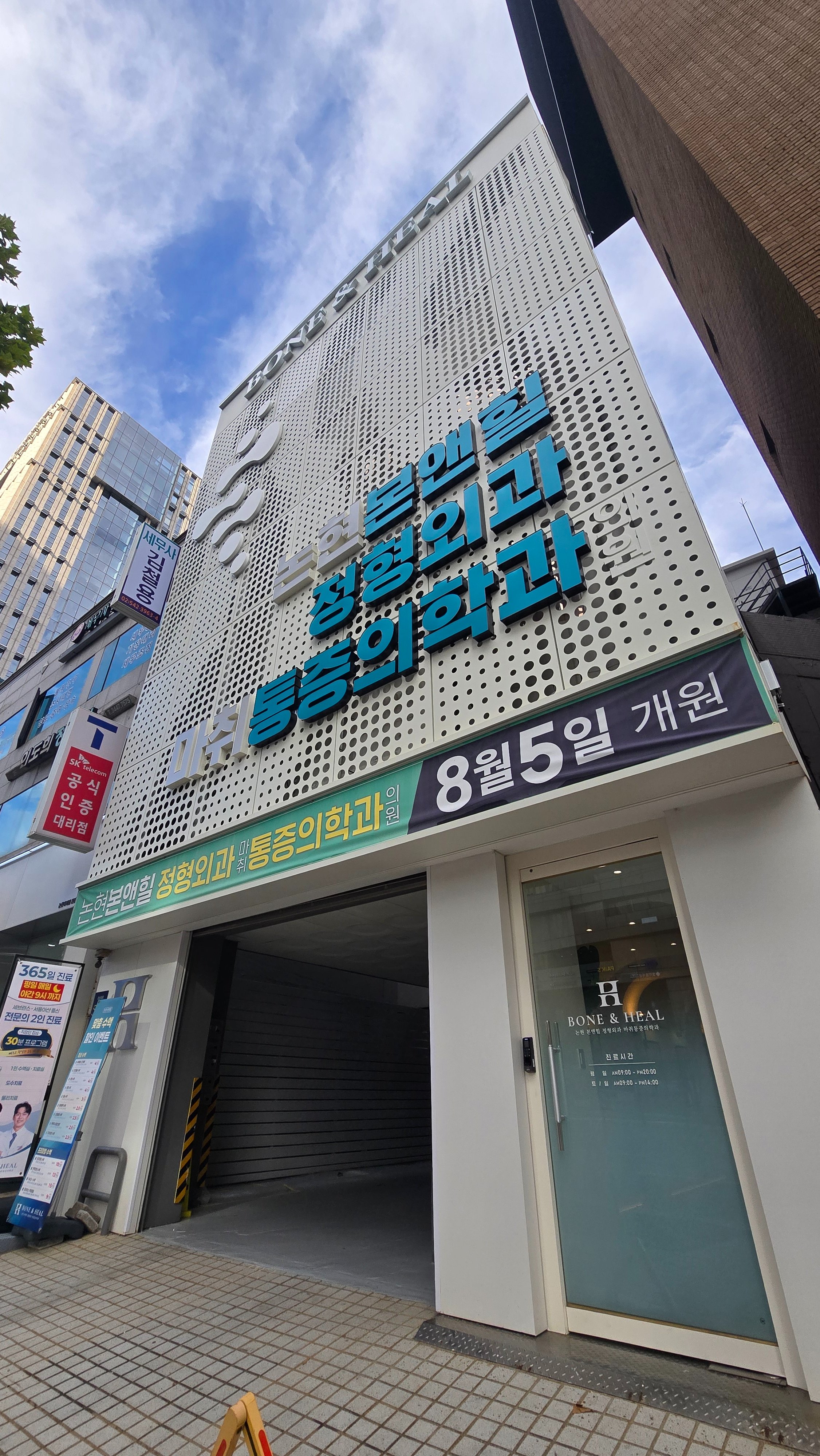
A.Bone & Heal Clinic is at 143-5, Nonhyeon-dong, Gangnam-gu, Seoul, Republic of Korea. Call 02-6673-7582 to ask about a consultation.
Clinic Information
| Clinic | Bone & Heal Clinic |
|---|---|
| Specialty | orthopedics,anesthesiology |
| Address | 143-5, Nonhyeon-dong, Gangnam-gu, Seoul, Republic of Korea |
| Phone | 02-6673-7582 |
| Website | https://bonenheal.co.kr |
| Specialist | Specialist care |
 Bone & Heal Clinic