

Gangnam orthopedic clinic: Start with your needs
Finding an appropriate clinic begins with a clear picture of why you need care. Orthopedics addresses conditions involving the musculoskeletal system, including bones, joints, muscles, tendons, and ligaments. Pain, stiffness, swelling, or difficulty moving can have different causes, so the right next step depends on your symptoms and medical history. Look for a consultation that helps you understand both the assessment and the reasoning behind any recommended care. Bone & Heal Clinic provides care in orthopedics and anesthesiology in Gangnam.
Identify the problem you want to discuss
Before making an appointment, consider where you feel discomfort and how it affects your routine. A painful knee when climbing stairs, for example, presents a different concern from shoulder stiffness that limits reaching overhead. Note whether symptoms began after an injury or developed gradually, and whether rest or movement changes them. These details can give the attending doctor useful context. You do not need to identify the cause yourself; describing what you notice is a practical starting point.
It also helps to think about your goal for the visit. You might want to understand a recent injury, discuss persistent discomfort, or find out which activities are appropriate while symptoms continue. Be specific about the movements or tasks that matter to you, such as walking, working at a desk, exercising, or sleeping comfortably. If symptoms come and go, describe what a typical episode feels like and what seems to bring it on. A clear account of your experience is more useful than trying to label the condition on your own. Bring up concerns even if they seem minor: their relevance can be assessed during the consultation.
Start by describing the problem in practical terms: where it occurs, when it began, and what it prevents you from doing. That gives the medical staff a useful foundation for discussing an appropriate assessment.
Know when to seek urgent care
Some symptoms should not wait for a routine appointment. After an injury, seek urgent medical attention for a visibly deformed limb, severe pain, or an inability to bear weight. New weakness, numbness, or changes in bladder or bowel control alongside back pain also require urgent assessment. A hot, swollen joint accompanied by fever is another reason to seek prompt medical care. If you are unsure whether symptoms are urgent, contact an appropriate emergency service rather than relying on an online guide.
For less urgent concerns, arranging an assessment can still be worthwhile when pain persists, returns, or interferes with normal activities. Avoid assuming that symptoms are harmless simply because there was no obvious injury. Equally, discomfort does not automatically indicate a serious condition. The useful distinction is whether you can describe a change and how it affects you. During a consultation, mention any recent falls, changes in activity, or previous problems in the same area. If symptoms worsen before your visit, reassess whether you need more immediate attention. Online information can help you prepare, but it cannot determine the cause of an individual symptom.
Consider your health history
Your current concern may be easier to assess in the context of your broader health. Make a note of previous injuries, operations, diagnoses, and treatments involving the affected area. If you have relevant test results or imaging reports, consider bringing copies. Tell the attending doctor about medications and supplements you take, as well as allergies and other medical conditions. This information can help inform the discussion about appropriate care and precautions.
Be open about what you have already tried, including rest, changes to exercise, or medication, and describe whether it made a difference. You can also explain any practical constraints that affect your choices, such as work demands or difficulty attending appointments. A good consultation should make room for those details alongside the clinical assessment. Your role is not to arrive with a complete medical explanation; it is to share information that helps the attending doctor understand your situation.
If you are accompanying a family member, help gather information beforehand while allowing the patient to describe symptoms in their own words whenever possible. A written list can be useful when discomfort, anxiety, or language differences make it harder to remember details during a visit. Include the questions that matter most to the patient, and leave space to record the answers. This simple preparation can make the conversation more focused without turning it into a checklist that overlooks individual concerns.

Gangnam orthopedic clinic: Evaluate the consultation
A clinic visit should help you understand what is known about your condition and what still needs assessment. Rather than choosing solely on convenience, consider whether you can discuss symptoms, ask questions, and understand the proposed next steps. Bone & Heal Clinic’s fields of care include orthopedics and anesthesiology. When considering a visit, ask how the relevant care applies to your concern. The aim is an informed decision, not a predetermined diagnosis or treatment.
Ask how your condition will be assessed
An orthopedic assessment may involve a discussion of your symptoms and medical history, followed by a physical examination when appropriate. The attending doctor may ask about movement, pain, and the effect on daily activities. Depending on the situation, further evaluation may be discussed. Ask what each step is intended to clarify and how the findings could influence your options. It is reasonable to request an explanation in straightforward language if a medical term is unfamiliar.
When discussing an examination or test, ask what the result could show and whether it would change the plan. You can also ask what happens if the findings do not identify a clear cause. These questions help set expectations without assuming that every patient needs the same assessment. If you have previous records, point out which concern they relate to and when symptoms changed. Your account of daily function is also useful: for instance, whether pain affects walking, lifting, or sleep. Understanding the purpose of an assessment can help you participate in decisions about your care. If you need time to consider a recommendation, say so and ask what factors matter when deciding how to proceed.
A useful consultation connects your symptoms to a clear assessment plan. Ask what each proposed step is meant to clarify and how the findings will guide the next decision.
Discuss options and points to consider
Once your condition has been assessed, ask the attending doctor to explain the options relevant to you. The discussion can include the purpose of a recommendation, what it involves, and how progress would be reviewed. Ask about potential benefits and risks in the context of your own health rather than relying on a general description. If more than one approach is appropriate, discuss how each fits your goals, responsibilities, and preferences.
It is also sensible to ask what you should do if symptoms change while you are considering a plan. Find out which changes warrant a follow-up and which require urgent attention. If medication or a procedure is discussed, tell the medical staff about allergies, current medicines, and previous reactions. Ask about preparation, recovery, and any restrictions that would apply to your circumstances. Changes may take time depending on your condition and the approach chosen, so agree on how progress will be assessed. You can ask for an explanation of the reasoning behind a recommendation and take notes to review afterward. A treatment decision should reflect the clinical assessment as well as your understanding and consent.
Understand the role of anesthesiology
Anesthesiology is one of Bone & Heal Clinic’s fields of care. If anesthesia or pain control is relevant to a proposed course of care, ask the medical staff how it would be considered in your situation. The discussion should account for your medical history, medications, allergies, and any previous experience with anesthesia. The appropriate approach depends on the planned care and the individual patient; it should not be assumed in advance.
Before agreeing to any proposed care, ask what to expect and whether you need to prepare in a particular way. If instructions involve medication, eating, drinking, or travel after a visit, follow the directions given for your specific situation. You can also ask whom to contact if you have questions afterward. These conversations are an opportunity to clarify practical details, not a reason to assume that anesthesia will be part of every orthopedic visit.
When comparing clinics, focus on whether the explanations address your circumstances. A short list of questions can help: What is the goal of the recommendation? What alternatives should I consider? What should I watch for afterward? If an answer is unclear, ask the attending doctor to explain it another way. Bringing a trusted person to help listen and take notes can also be useful when you expect to discuss unfamiliar information.
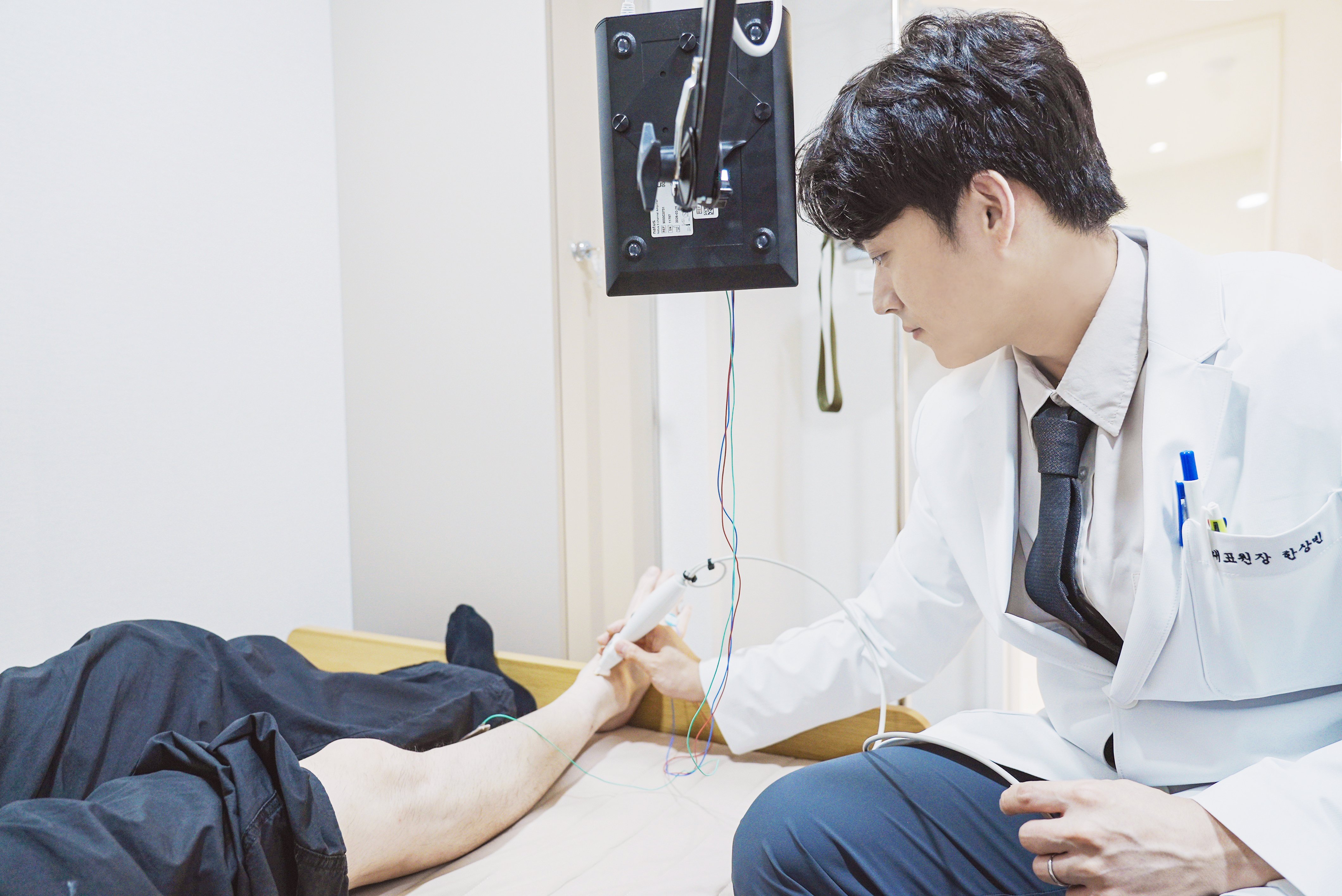
Gangnam orthopedic clinic: Plan your visit
Practical planning can make an orthopedic appointment easier to navigate. Choose a time that allows you to discuss your concern without rushing, and gather any relevant health information beforehand. Think about the activities you want to return to or continue, as well as the questions you want answered. A focused preparation list helps keep the conversation centered on your symptoms and priorities. Bone & Heal Clinic is located in Gangnam, Seoul.
Prepare a concise symptom history
Write down where symptoms occur, when you first noticed them, and whether they have changed. Include any injury or activity that preceded the problem, along with movements that make it better or worse. If pain disrupts sleep or limits routine tasks, note that too. You can describe discomfort in your own words; precision about your experience is more helpful than guessing a diagnosis. Bring the list to the appointment so you can refer to it during the discussion.
Add a brief history of related care, including previous examinations, relevant reports, and any medicines or self-care measures you have used. Record allergies and ongoing health conditions, especially if you expect to discuss medication or a procedure. If you have more than one concern, identify the most pressing one first, then mention the others so the attending doctor can help determine what to address. Consider bringing a written account of your usual activity level and any recent changes. This can be particularly useful if symptoms appear only during specific movements. Your notes do not need to be exhaustive: a clear outline of the problem and its effect on your life is a useful starting point.
Bring a concise record of your symptoms, relevant health history, and questions. Preparation gives you more time to discuss what the findings mean and what to do next.
Make a practical checklist
Before leaving for the clinic, gather the information that will support your consultation. Relevant records and a medication list can be easier to review when kept together. If movement is uncomfortable, consider clothing that allows the affected area to be examined without unnecessary difficulty. You may also want a notebook or a phone for recording advice. If someone accompanies you, explain beforehand which questions you would like help remembering.
It is useful to distinguish between what you know and what you suspect. For example, record that pain began after a particular activity rather than concluding that the activity caused a specific injury. If you have had similar symptoms before, note how the current episode compares. Bring copies of relevant records when available, but do not delay seeking urgent care to collect paperwork. At the visit, tell the medical staff if a position or movement is painful, and ask before repeating an activity that concerns you. The goal is to provide a clear account while allowing the attending doctor to guide the examination. Afterward, review any instructions you receive and ask about anything you do not understand.
Leave with a clear next step
Before the consultation ends, summarize your understanding of the discussion. You might ask what the assessment suggests, what remains uncertain, and what the recommended next step is intended to achieve. If follow-up is advised, ask what it will involve and what changes in symptoms should prompt earlier attention. Written notes can help you remember the details once you leave, particularly if you have discussed more than one concern.
Ask about any expected costs before agreeing to care, since the amount depends on the assessment and services involved. If you need time to weigh your options, clarify whether waiting is appropriate for your condition. You can also ask which activities to continue or avoid while you consider the plan. These questions help turn a consultation into a practical decision, while keeping the advice specific to your circumstances.
Choosing care is not simply a matter of finding a convenient location. It also involves understanding the proposed assessment, communicating your preferences, and knowing what happens next. For an orthopedic concern in Gangnam, Bone & Heal Clinic offers a starting point for a conversation about care. Prepare the information you can, ask direct questions, and seek urgent attention when symptoms call for it. An informed discussion is the foundation for deciding how to proceed.
Frequently Asked Questions
Q.What kind of care does Bone & Heal Clinic provide?
A.Bone & Heal Clinic provides care in orthopedics and anesthesiology.
Q.Who might consider visiting Bone & Heal Clinic?
A.Someone with a concern involving bones, joints, muscles, tendons, or ligaments may consider an orthopedic consultation. Urgent symptoms should be assessed promptly through an appropriate emergency service.
Q.What should I discuss during an orthopedic consultation?
A.Describe where and when symptoms occur, how they affect daily activities, and any relevant injuries or previous care. Ask the attending doctor how the concern will be assessed and what the findings mean.
Q.What should I prepare before a visit?
A.Bring a list of medications and allergies, relevant medical records, and notes about your symptoms. Write down the questions you want to ask.
Q.Where is Bone & Heal Clinic, and how can I contact our clinic?
A.Bone & Heal Clinic is at 143-5, Nonhyeon-dong, Gangnam-gu, Seoul, Republic of Korea. Call 02-6673-7582 to ask about an appointment.
Clinic Information
| Clinic | Bone & Heal Clinic |
|---|---|
| Specialty | orthopedics,anesthesiology |
| Address | 143-5, Nonhyeon-dong, Gangnam-gu, Seoul, Republic of Korea |
| Phone | 02-6673-7582 |
| Website | https://bonenheal.co.kr |
| Specialist | Specialist care |
 Bone & Heal Clinic