

Choosing a Gangnam shoulder pain clinic
Shoulder pain can arise after an injury or develop gradually during everyday activity. Because the shoulder relies on several structures working together, the location of pain alone does not always reveal its cause. A useful appointment begins with a clear discussion of your symptoms and a clinical assessment. Look for an explanation that connects your symptoms, examination findings, and proposed next steps. Bone & Heal Clinic provides care in orthopedics and anesthesiology, making it a relevant place to discuss shoulder pain and its effect on daily life.
Start with your symptoms
Before choosing a clinic, consider what you want help with. Pain when reaching overhead, discomfort at night, stiffness, and difficulty carrying objects can each affect daily life differently. Note whether the problem began suddenly or developed over time, and whether a particular movement makes it worse. These details are useful even if you cannot identify the cause yourself. Rather than arriving with a presumed diagnosis, describe what you feel and what you are finding difficult to do.
It also helps to distinguish pain from changes in movement or strength. For example, you might be able to lift your arm but experience discomfort at a certain point, or you might find the movement difficult even before pain becomes severe. If you have noticed tingling, numbness, or pain extending beyond the shoulder, mention that as well. The medical staff can use your account alongside an examination to consider where the symptoms may be coming from. Be specific about activities that matter to you, whether that means getting dressed, sleeping comfortably, working at a desk, or returning to exercise. This makes it easier to discuss care in practical terms rather than focusing on pain alone.
Finding the right care begins with a clear account of how your shoulder feels and functions. An examination can then help the medical staff decide what needs further attention.
Consider the clinic’s field of care
Orthopedics addresses conditions involving the musculoskeletal system, including joints and surrounding structures. Anesthesiology is a medical field concerned with anesthesia and pain management. Bone & Heal Clinic provides care in both fields. When arranging an appointment, explain that shoulder pain is your concern and ask how the consultation will address it. The important question is not simply whether a clinic treats pain, but whether the proposed assessment fits your symptoms and circumstances.
A clear discussion of the clinic’s approach can help you prepare for the visit. Ask what information would be useful to bring, such as records of prior evaluations or a list of medicines you take. If you have already tried a treatment, explain what it involved and how your symptoms responded. You can also ask how the attending doctor will decide whether further evaluation is needed. A good fit means understanding the reasoning behind the plan, not being promised a particular outcome. The appropriate approach depends on the cause of pain, your health history, and your goals. A consultation should give you space to ask questions before making decisions about care.
Know when to seek urgent help
Some symptoms should not wait for a routine clinic appointment. Seek emergency medical care for shoulder pain accompanied by chest pain, shortness of breath, or other symptoms that could indicate a heart problem. Urgent assessment is also important after a serious injury, particularly if the shoulder looks deformed or you cannot move the arm. These situations require prompt evaluation rather than a search for a routine appointment.
Contact a medical professional promptly if shoulder pain occurs with fever, marked swelling, or new numbness or weakness. These symptoms can have different causes, and an examination is needed to determine their significance. If you are uncertain how urgently to seek care, describe your symptoms when contacting a healthcare service. Avoid forcing a painful movement or assuming that severe symptoms will resolve without assessment.
| Situation | Practical step |
|---|---|
| Pain during a particular movement | Note which movement brings it on and explain it at your appointment. |
| Pain affecting sleep or daily tasks | Describe the activities affected and how your symptoms have changed. |
| Pain with chest discomfort or shortness of breath | Seek emergency medical care. |
| Serious injury or a visibly deformed shoulder | Seek urgent medical assessment. |
For symptoms that do not require emergency care, keeping a brief record can make an appointment more productive. Include the movements that trigger pain, any change in your ability to use the arm, and whether rest alters the discomfort. If symptoms change before your visit, add that information. The goal is not to diagnose yourself; it is to give the attending doctor a reliable description of what has been happening.
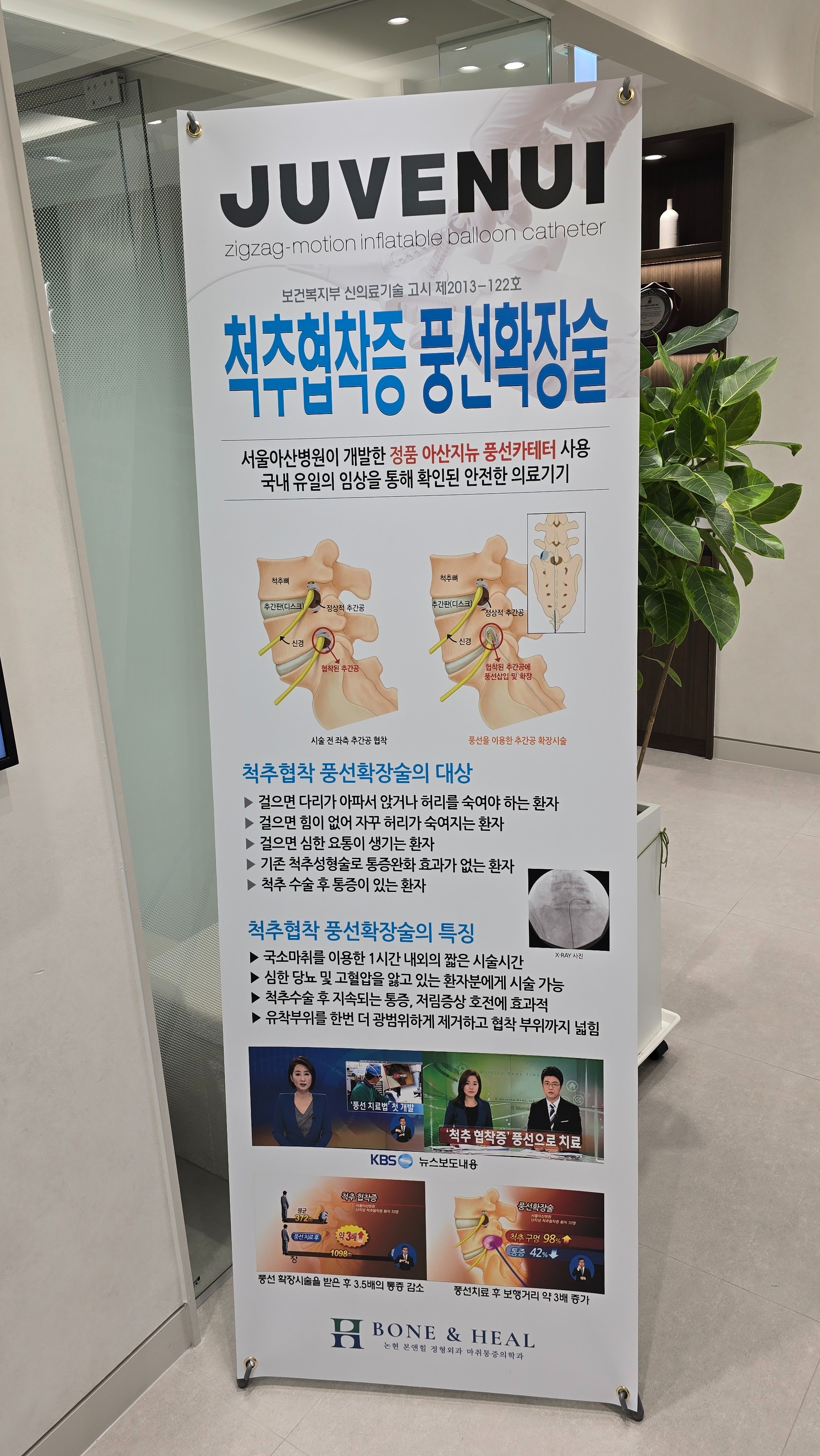
What to expect at a Gangnam shoulder pain clinic
A shoulder pain consultation typically begins with a conversation about your symptoms and medical history, followed by an examination as appropriate. The attending doctor may ask about an injury, repeated activities, previous shoulder problems, and the effect of pain on sleep or work. The purpose of the assessment is to identify the most useful next step for your situation. That might mean discussing ways to manage symptoms, considering further evaluation, or reviewing treatment options after the examination.
Discuss your medical history
Tell the medical staff when you first noticed the pain and whether it has changed. Mention any injury, recent change in activity, or previous shoulder problem, even if you are unsure whether it is related. Your general health and current medicines also matter when care is being considered. If you have had a prior examination or treatment for the same concern, bring relevant records you already have.
Be precise about what you have tried. For example, explain whether you changed an activity because of pain and whether that made a difference. If you have taken medicine, provide its name and describe how you used it. A history of symptoms can help the attending doctor understand the pattern, but it does not replace a physical examination. You can also describe the result you hope to work toward, such as returning to a daily activity or sleeping with less discomfort. Practical goals make it easier to discuss a plan that fits your circumstances. If something is difficult to explain, demonstrate the movement gently rather than pushing through severe pain.
A useful assessment brings together your history, your current symptoms, and the findings of an examination. The resulting discussion should explain why a particular next step is being considered.
Understand the examination
During a shoulder examination, the attending doctor may assess how the joint moves and ask which movements cause discomfort. The examination may also include checking the surrounding area and comparing movement or strength where appropriate. Tell the doctor if a movement is painful or feels unstable. You do not need to force your arm into a position that causes severe discomfort in order to demonstrate the problem.
Shoulder symptoms do not always come from a single structure. The examination helps the attending doctor consider the joint, surrounding tissues, and other possible sources of pain. Depending on the findings, further evaluation may be discussed. If a test is suggested, ask what question it is intended to answer and how the result could affect your care. It is reasonable to ask what the examination suggests so far and what remains uncertain. A clear explanation should distinguish findings from possibilities that have not yet been confirmed. This helps you understand the purpose of the next step without assuming that every symptom has an immediate or simple explanation.
Ask about the care plan
After the assessment, ask the attending doctor to explain the recommended approach in plain language. Useful questions include what the plan is intended to address, what you can do at home, and when you should seek further advice. Depending on the assessment, the discussion may include activity adjustments, medication, rehabilitation, or other care. A recommendation should be considered in the context of your health and the findings of your examination.
If a procedure or medicine is discussed, ask about its purpose, potential risks, and alternatives. Also ask what to expect during recovery and which symptoms should prompt you to contact a medical professional. Changes may take time depending on your individual condition. Understanding the plan can help you make decisions without assuming that a particular treatment will produce a guaranteed result.
| Question to ask | Why it matters |
|---|---|
| What might be causing my symptoms? | Clarifies the findings and any remaining uncertainty. |
| What is the purpose of the recommended next step? | Helps you understand how it relates to your assessment. |
| Which activities should I adjust? | Connects the plan to daily routines. |
| What changes should prompt further advice? | Helps you recognize when to seek follow-up care. |
Write down the answers if you find it difficult to remember details during an appointment. Before leaving, check that you understand the recommended next step and any instructions that apply to you. If a term is unfamiliar, ask for an explanation. A care plan is easier to follow when you know what it is intended to address and how it relates to the activities that cause you difficulty.
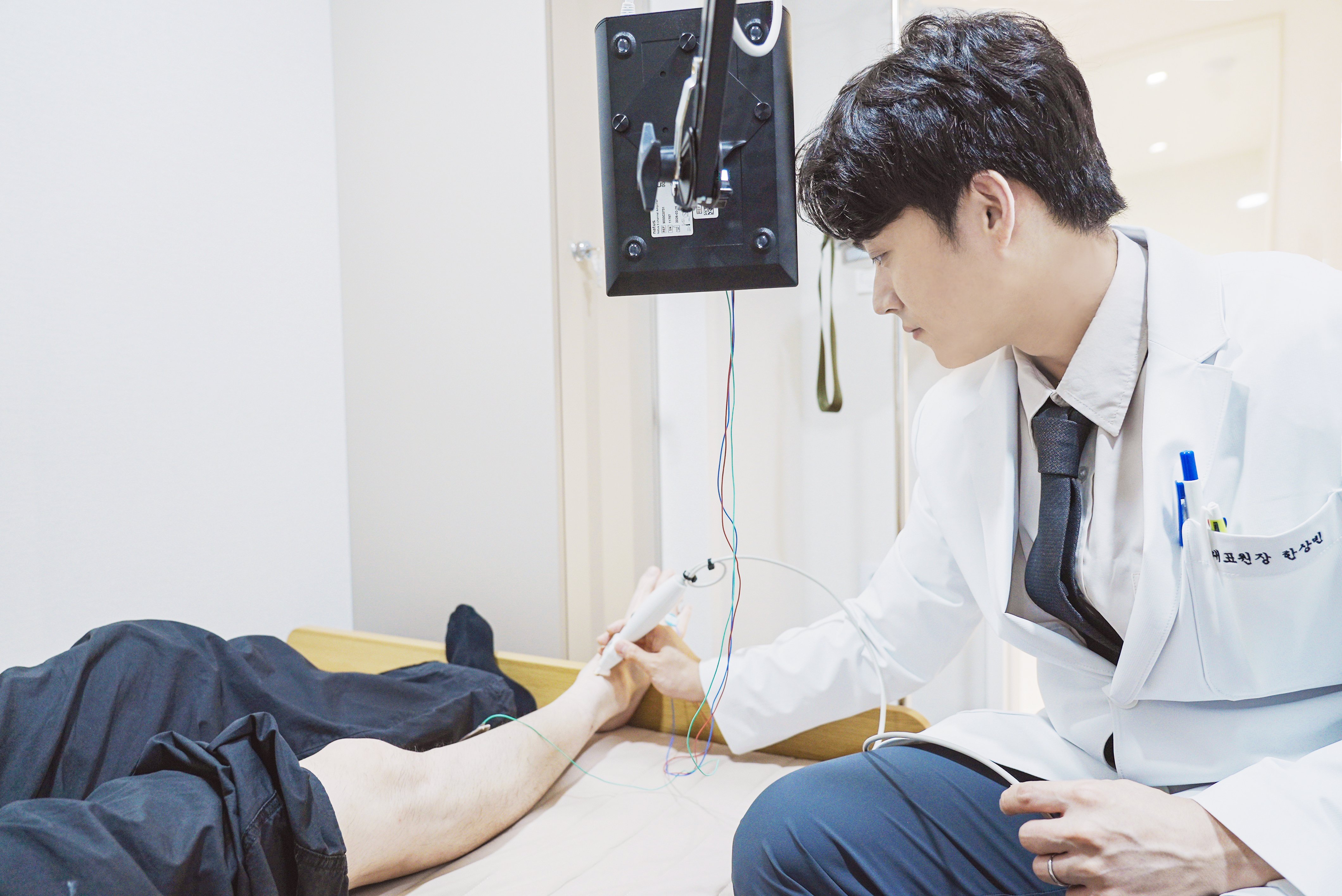
Preparing for a Gangnam shoulder pain clinic visit
Preparation can make a shoulder pain appointment more focused. Bring a concise description of your symptoms, relevant medical records, and a list of medicines you take. Think about the questions you want answered, particularly if pain is interfering with sleep, work, or movement. Clear information helps the medical staff assess your concern and discuss an appropriate plan. You can also ask about appointment arrangements and consultation costs before making a decision.
Gather useful information
Start with the history of the pain: how it began, where you feel it, and which movements make it better or worse. Note any symptoms that extend into the arm, such as tingling or numbness. If you have experienced a change in strength or range of motion, describe what you noticed. Bring relevant records from previous care if you have them, along with the names of current medicines.
Include details about your daily activities without assuming that any particular activity caused the problem. For example, you can explain whether your work involves lifting, whether you regularly exercise, or whether reaching behind your back has become difficult. If symptoms interrupt sleep, describe the position or movement that seems to trigger them. It is also useful to note what has changed since the pain began. You do not need a detailed diary if a short account captures the main points. Accuracy matters more than medical terminology. Explain what you feel in your own words, and let the attending doctor guide the assessment.
Good preparation is straightforward: describe the problem, bring relevant information, and identify what you need to understand. These details make it easier to discuss care that fits your daily life.
Plan questions about practical matters
Before booking, ask about the appointment process and what you should bring. If cost is a concern, ask how consultation fees are explained and whether any additional charges might apply to recommended care. Costs depend on the assessment and services involved. You can also ask how to receive instructions after the visit and whom to contact if you need clarification about the plan.
During the consultation, distinguish questions about the diagnosis from questions about logistics. You might ask what the attending doctor thinks is contributing to the pain, followed by what the proposed care would involve. If further evaluation is recommended, ask how it would inform the next decision. If a treatment is suggested, ask about its expected purpose and relevant precautions. You can take time to consider the information and ask for an explanation of unfamiliar terms. Understanding the proposed care is an important part of deciding whether it is right for you. There is no need to assume that every shoulder problem requires the same approach.
Support your discussion with clear goals
Your priorities may be different from another person’s, even when the symptoms sound similar. Tell the attending doctor which activities you most want to return to or continue. This could be reaching for an object, carrying a bag, participating in exercise, or sleeping more comfortably. A specific goal gives you a practical way to discuss progress and any adjustments that might be needed.
After the visit, follow the instructions agreed with your attending doctor and seek advice if symptoms change or you are unsure about an instruction. Avoid judging the plan solely by whether pain disappears immediately; the course of recovery depends on the condition and the individual. If an activity consistently worsens symptoms, raise that concern rather than trying to work through severe pain.
Bone & Heal Clinic provides care in orthopedics and anesthesiology. When contacting our clinic, describe your shoulder concern and ask about arranging a consultation. Bring your questions to the appointment so the discussion can address both the medical assessment and the practical effect of symptoms on your life. A considered choice starts with understanding your options and the reasons behind the recommended next step.
Frequently Asked Questions
Q.What kind of care does Bone & Heal Clinic provide?
A.Bone & Heal Clinic provides care in orthopedics and anesthesiology. You can discuss shoulder pain and its effect on movement and daily activities with the medical staff.
Q.Who might consider an appointment for shoulder pain?
A.An appointment may be helpful if shoulder pain, stiffness, or difficulty moving the arm is affecting daily activities or sleep. Seek emergency care instead if shoulder pain occurs with chest pain or shortness of breath.
Q.How is shoulder pain assessed?
A.An assessment typically includes a discussion of symptoms and medical history, followed by an examination as appropriate. The attending doctor can explain the findings and discuss suitable next steps.
Q.What should I bring to an appointment?
A.Bring a list of medicines you take and any relevant records from previous shoulder care. It also helps to describe when the pain occurs and which activities it affects.
Q.Where is Bone & Heal Clinic, and how can I contact our clinic?
A.Bone & Heal Clinic is at 143-5, Nonhyeon-dong, Gangnam-gu, Seoul, Republic of Korea. To ask about an appointment, call 02-6673-7582.
Clinic Information
| Clinic | Bone & Heal Clinic |
|---|---|
| Specialty | orthopedics,anesthesiology |
| Address | 143-5, Nonhyeon-dong, Gangnam-gu, Seoul, Republic of Korea |
| Phone | 02-6673-7582 |
| Website | https://bonenheal.co.kr |
| Specialist | Specialist care |
 Bone & Heal Clinic