
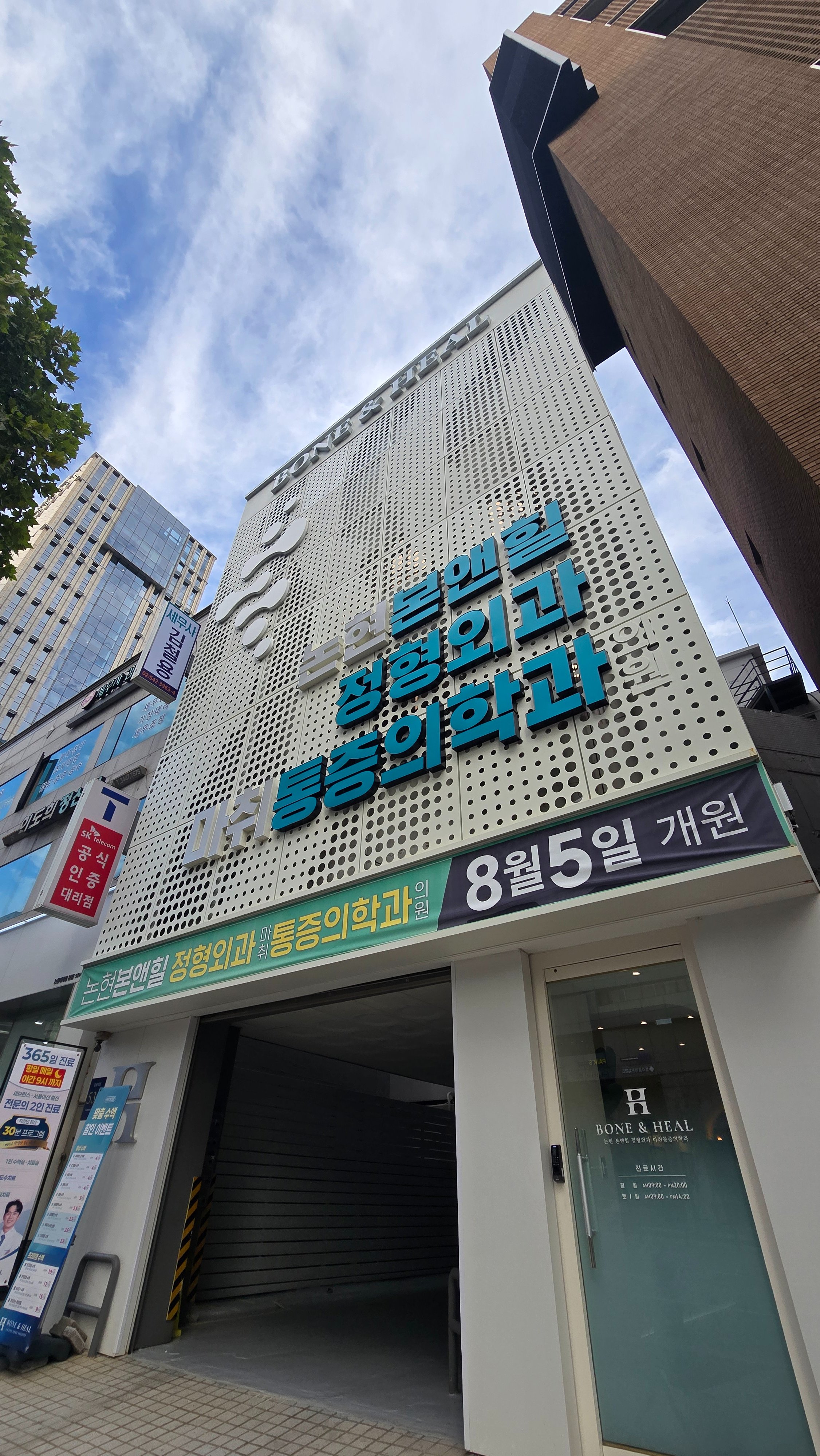
What to Discuss at a Seoul knee pain clinic
Knee pain can arise during exercise, after an injury, or gradually as everyday movement becomes uncomfortable. The location and pattern of pain help guide a medical assessment, but symptoms alone do not establish a diagnosis. A useful appointment starts with a clear description of what you feel and how it affects your movement. Bone & Heal Clinic provides care in orthopedics and anesthesiology, making it a place to discuss knee concerns and the next steps that suit your circumstances.
Describe the Pain in Practical Terms
Before your visit, note whether the discomfort is in the front, back, inside, or outside of the knee. Consider whether it occurs while walking, climbing stairs, bending, or resting. Tell the medical staff if the pain began suddenly or developed gradually, and mention any recent injury or change in activity. You do not need to identify the cause yourself. Your observations give the attending doctor a starting point for asking further questions and deciding what to assess.
It also helps to describe what the pain prevents you from doing. For example, you might notice difficulty getting up from a chair, walking for your usual distance, or returning to an activity you enjoy. Explain whether the knee feels stiff, swollen, unstable, or difficult to straighten. If symptoms change over the course of the day, mention that pattern as well. Bring up any earlier knee problems and the approaches you have already tried, including whether those approaches made you feel better or worse. These details can help the attending doctor understand your priorities and discuss a plan that fits your daily life. Accurate descriptions are more useful than trying to label the problem before an assessment.
Knee pain is best discussed in terms of its location, timing, and effect on daily movement. Those details give the attending doctor a practical foundation for assessing your concerns.
Know When to Seek Prompt Care
Some knee symptoms should not wait for a routine discussion. Seek prompt medical attention if you cannot bear weight after an injury, the knee looks visibly deformed, or severe swelling develops. A hot, swollen knee accompanied by fever also requires urgent assessment. These signs do not point to a single cause, but they can indicate a problem that needs timely evaluation. If you are uncertain about the urgency of your symptoms, seek medical advice rather than relying on a self-diagnosis.
For less urgent symptoms, pay attention to changes that persist or interfere with normal activity. A knee that repeatedly gives way, catches, or becomes difficult to move deserves a discussion with a medical professional. Tell the attending doctor whether the problem is new, recurring, or becoming more noticeable. Also describe any swelling and whether it appeared after a specific event. While waiting for advice, avoid pushing through an activity that clearly worsens the pain. Adjusting activity is not a substitute for assessment, but it can help you avoid repeatedly aggravating the knee. If symptoms worsen significantly or new urgent signs appear, seek care promptly rather than waiting for a planned appointment.
Prepare for an Orthopedic Consultation
A little preparation can make the conversation more productive. Bring a list of current medications and any relevant records you already have. If you have experienced knee pain before, note what care you received and how your symptoms changed afterward. Be ready to explain your usual activities and the movements you want to resume. You can also write down questions in advance, particularly if you are concerned about walking, exercise, work, or the effect of pain on sleep.
During the appointment, ask the attending doctor to explain the findings in terms you understand. Useful questions include what might be contributing to the pain, whether further assessment is appropriate, and what you can safely do while deciding on next steps. If a recommendation is made, ask how it relates to your symptoms and what changes you should report. A clear explanation helps you take part in decisions about your care.
It is also reasonable to discuss your preferences. Some people want to return to a particular activity, while others are most concerned about comfortable walking or managing stairs. Sharing those goals helps keep the conversation focused on function rather than pain alone. Ask what follow-up is appropriate and when to seek advice if symptoms change. The plan should reflect the findings of your assessment, not an assumption that every painful knee needs the same approach.

Treatment Discussions at a Seoul knee pain clinic
Treatment for knee pain depends on the cause, the examination findings, and the effect of symptoms on daily life. An appointment at Bone & Heal Clinic can be an opportunity to discuss those factors within the fields of orthopedics and anesthesiology. The appropriate approach should be considered after an individual assessment. Rather than choosing a treatment by name alone, ask how each recommendation addresses your symptoms, what it involves, and what you should expect during the next stage of care.
Start With an Individual Assessment
The attending doctor may ask about your medical history, the onset of pain, and the activities that affect your knee. A physical assessment can help clarify how the knee moves and where symptoms occur. Depending on the circumstances, the doctor may discuss whether additional assessment is needed. The aim is to understand the problem before deciding on a course of care. Explain any concerns or limitations that could affect your ability to follow a recommended plan.
There is no single explanation for every episode of knee pain, so similar symptoms do not necessarily call for identical care. A conversation about your history is particularly useful if the pain followed an injury, has returned after a previous problem, or is accompanied by difficulty moving the joint. Let the attending doctor know about other health conditions and any medication you take, since those details can matter when considering care. If you have questions about an examination or a recommendation, ask why it is being considered and how the information will guide the next decision. Understanding the reasoning can help you weigh your options without assuming that a particular approach is necessary before your knee has been assessed.
Treatment decisions begin with understanding the individual knee problem, not with selecting an approach in advance. Ask how the assessment findings relate to each recommendation and your goals.
Discuss Activity and Symptom Management
Changes to daily activity can be part of a conversation about managing knee pain. For example, you may need to reduce movements that consistently aggravate symptoms while maintaining appropriate activity. The right balance depends on the cause of pain and your assessment. Ask the attending doctor which activities to modify and how to approach a return to your usual routine. Avoid assuming that complete rest or continuing through pain is appropriate in every situation.
When discussing symptom management, be specific about what you need to do during the day. Walking to work, standing for long periods, climbing stairs, and exercising can place different demands on the knee. Ask for guidance that takes those demands into account. If medication is discussed, tell the attending doctor what you already take and ask how to use any recommendation safely. Management should be understandable and workable in your circumstances. You can also ask how to monitor your response and which changes should prompt another conversation. Improvement may depend on the underlying condition, so focus on the agreed plan and communicate if symptoms are not progressing as expected.
Understand the Proposed Plan
Before agreeing to care, ask what the proposed approach is intended to address and what alternatives are appropriate for your situation. Discuss any relevant risks, the expected course of recovery, and how the plan might affect work or daily activities. If the attending doctor recommends further care, ask what it involves and whether any preparation is needed. This conversation gives you a chance to make an informed decision based on your own health and priorities.
It is also useful to clarify what comes next. Ask whether a follow-up visit is recommended and what signs would make earlier advice appropriate. Changes may take time depending on the individual condition, so discuss how progress will be assessed rather than relying on a fixed expectation. If a recommendation is unclear, ask the medical staff to explain it again or write down the key instructions for you.
The goal of a treatment discussion is a plan you understand and can follow. Tell the attending doctor if a suggested activity change is difficult to manage or if you have concerns about any part of the plan. Open communication allows those concerns to be considered alongside the clinical findings. Keep track of meaningful changes in pain, movement, and daily function so you can describe them accurately at a follow-up appointment.

Preparing for a Seoul knee pain clinic Visit
A well-prepared visit can help you use consultation time effectively. Focus on the details most relevant to your knee: how the problem began, what makes it better or worse, and which activities have become difficult. Bring your medication list and any relevant medical records you have. Bone & Heal Clinic can discuss your concerns in the context of orthopedics and anesthesiology. For practical arrangements, contact our clinic before your visit with any questions about booking.
Make a Brief Symptom Record
Write down when you first noticed the pain and whether it followed a particular movement or injury. Record the location of discomfort and any swelling, stiffness, or sensation that the knee may give way. Note which activities bring on symptoms and whether rest changes them. A short, factual record is enough; it does not need to be a detailed diary. Bring it to the appointment so you do not have to rely entirely on memory.
Consider including examples that show how your symptoms affect daily life. You might note that stairs are uncomfortable, that the knee feels stiff after sitting, or that you have stopped a preferred activity because of pain. If symptoms come and go, explain what you notice during both comfortable and uncomfortable periods. Mention anything you have already changed, such as reducing a particular activity, and whether that helped. The attending doctor can use this information alongside the assessment to discuss appropriate next steps. Avoid interpreting a temporary change as proof of a diagnosis: the value of your notes is in accurately describing your experience and making it easier to discuss patterns.
A short symptom record can make a consultation more focused. Include the movements that affect your knee and the activities you want to regain.
Bring Questions About Your Goals
Think about what you would like to improve, whether that means walking more comfortably, managing stairs, or returning to exercise. Share those goals with the attending doctor, along with any limits on your time or activities. You can ask how the proposed plan relates to each goal and what progress would be meaningful to monitor. A practical discussion should account for your symptoms as well as the demands of your routine.
Questions can also help you understand how to respond if your symptoms change. Ask which activities are appropriate for now, what to avoid, and when to seek further advice. If you are considering a return to sport or another demanding activity, discuss that goal before increasing your effort. Tell the medical staff if you are worried about an earlier injury or a recurring problem. You can also ask for clarification about any instructions that seem difficult to follow at home or work. The most useful plan is one that is clear to you and grounded in your assessment. Keep your notes so you can compare your experience over time and explain any changes at a future appointment.
Plan Your Visit
Before attending, gather the information you want to share and decide which questions matter most. If someone usually helps you manage medical information, you may find it useful to involve that person in your preparation. Wear clothing that allows the knee to be assessed comfortably. If you have mobility difficulties, mention them when arranging your visit so you can discuss your needs with our clinic.
Bone & Heal Clinic is located at 143-5, Nonhyeon-dong, Gangnam-gu, Seoul, Republic of Korea. For appointment and contact enquiries, call 02-6673-7582. When you contact our clinic, you can ask about the booking process and any practical arrangements relevant to your visit. If your symptoms need urgent attention, seek appropriate care promptly rather than waiting for a routine appointment.
At the end of your consultation, make sure you understand the recommended next steps. Ask who to contact if a question arises and what changes in symptoms should prompt further medical advice. If you receive instructions, review them before leaving so you can clarify anything unfamiliar. Keeping a simple record of your questions and the answers can help you follow the plan and prepare for any subsequent discussion.
Frequently Asked Questions
Q.What kind of care does Bone & Heal Clinic provide?
A.Bone & Heal Clinic provides care in orthopedics and anesthesiology.
Q.Who can discuss knee pain at Bone & Heal Clinic?
A.People experiencing knee discomfort or difficulty with movement can discuss their symptoms with the medical staff. Prompt medical attention is important if urgent signs develop, such as an inability to bear weight after an injury.
Q.How are knee treatment options discussed?
A.The attending doctor can consider your symptoms and assessment findings when discussing appropriate next steps. Ask how a proposed approach relates to your daily activities and goals.
Q.What should I prepare for an appointment?
A.Bring a list of your medications and any relevant medical records you have. Note when the pain began, what affects it, and which activities have become difficult.
Q.How can I arrange a visit to Bone & Heal Clinic?
A.Contact our clinic to ask about the appointment process and any practical arrangements for your visit.
Clinic Information
| Clinic | Bone & Heal Clinic |
|---|---|
| Specialty | orthopedics,anesthesiology |
| Address | 143-5, Nonhyeon-dong, Gangnam-gu, Seoul, Republic of Korea |
| Phone | 02-6673-7582 |
| Website | https://bonenheal.co.kr |
| Specialist | Specialist care |
 Bone & Heal Clinic