

Gangnam Spinal Adhesiolysis: Understanding the Procedure
Spinal adhesiolysis is a procedure used in some cases of persistent back or leg pain. It aims to address adhesions, or areas of scar-like tissue, around spinal nerves. These adhesions can develop after inflammation, injury, or surgery, although they are not the cause of every persistent symptom. The purpose of the procedure is to treat a potential source of nerve irritation, not to promise that all pain will disappear. A careful assessment is needed to determine whether adhesiolysis is relevant to an individual’s symptoms.
How adhesions relate to pain
Tissue surrounding a spinal nerve can change after inflammation or an operation. In some circumstances, adhesions may limit the nerve’s movement or contribute to irritation. This can be associated with pain that travels from the back into a leg, sometimes alongside tingling or altered sensation. These symptoms can also have other causes, including pressure on a nerve from a spinal disc. For that reason, the presence of pain alone does not establish that adhesions are responsible.
Understanding the pattern of symptoms is an important starting point. Pain centered in the lower back can have a different explanation from pain that follows a path into the buttock or leg. The attending doctor may ask where the discomfort begins, how far it travels, and whether particular positions or activities affect it. A physical examination can help assess movement, sensation, strength, and reflexes. Previous imaging or records may add context, but a finding on a scan must still be considered alongside the symptoms and examination. Even when adhesions are suspected, the doctor must consider other explanations before recommending a treatment. This distinction matters because a procedure directed at scar tissue may not address pain arising from a different structure or condition.
Adhesions are one possible contributor to persistent spinal pain, but symptoms alone cannot identify them as the cause. The treatment decision should follow an assessment of the whole clinical picture.
What happens during adhesiolysis
Spinal adhesiolysis generally involves placing a thin catheter into the epidural space, the area around the protective covering of the spinal cord and nerve roots. Imaging guidance may be used to help the doctor direct the catheter toward the area being treated. Depending on the technique, medication may be delivered through the catheter. The specific approach is selected by the treating doctor and should be explained before a patient agrees to treatment.
The procedure is intended to reach tissue near an irritated nerve and, depending on the method used, loosen adhesions or deliver medication to the affected area. It is different from open spinal surgery: a catheter is introduced through a small entry point rather than through a large surgical incision. That distinction does not mean the procedure is suitable for everyone or free of risk. Patients should ask what the proposed technique involves, whether imaging or medication will be used, and what the doctor expects the treatment to address. Understanding the intended target is more useful than assuming that every procedure called adhesiolysis is performed in exactly the same way. The doctor can also explain how the procedure fits with other treatment options.
How pain relief may occur
Pain relief may result from reducing irritation around a nerve and delivering medication near the area of concern. The response depends on the cause of pain and the individual’s condition. Some patients may notice improvement, while others may experience limited relief. Changes may take time depending on individual condition. The doctor can discuss what a meaningful response would look like, such as a change in leg pain, walking tolerance, or the ability to carry out daily activities.
It is helpful to distinguish pain relief from a cure for every underlying spinal condition. A procedure aimed at an irritated nerve does not necessarily reverse all structural changes in the spine. Treatment planning may also include measures suited to the diagnosis, such as guidance on activity or rehabilitation. The choice depends on the examination and the patient’s goals. Discussing those goals in advance gives the doctor and patient a clearer way to assess whether treatment has helped.
Before making a decision, ask the attending doctor to explain why adhesiolysis is being considered for your particular symptoms. A useful explanation should connect the suspected source of pain with the proposed procedure and describe reasonable alternatives. It should also cover the expected recovery process and any circumstances that would make the procedure unsuitable. An informed decision rests on understanding both the potential benefit and the limits of what treatment can accomplish.

Gangnam Spinal Adhesiolysis: Assessment and Treatment Planning
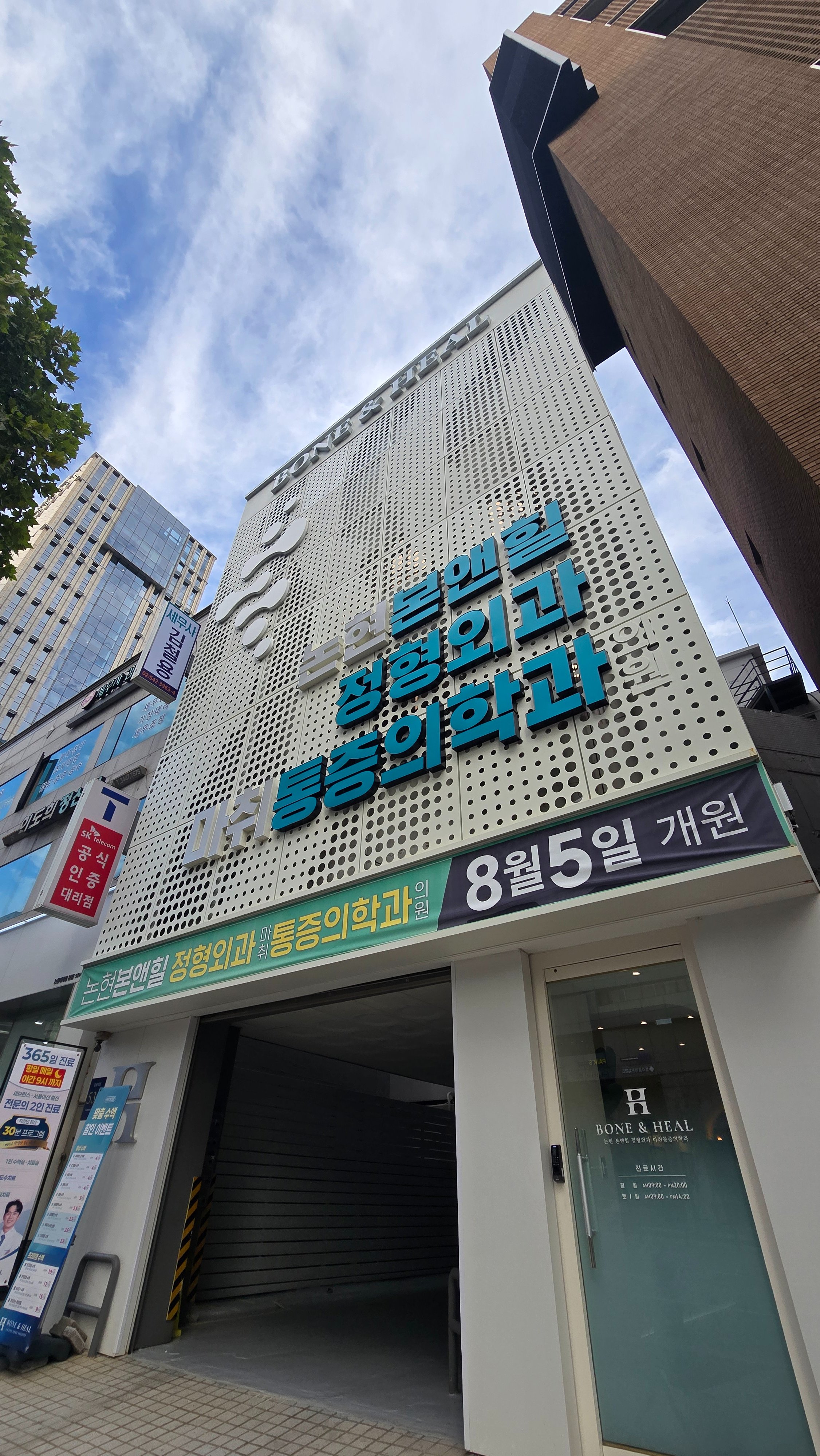
A treatment plan begins with identifying the symptoms that matter most to the patient. Back pain, radiating leg pain, numbness, and weakness can overlap, but they do not always point to the same cause. The attending doctor considers the medical history and examination before discussing whether a procedure is appropriate. Bone & Heal Clinic provides care in orthopedics and anesthesiology, giving patients a place to discuss spinal symptoms and their treatment options.
Who may want an assessment
An assessment may be useful when back or leg pain persists, returns, or interferes with ordinary activities. People who have previously undergone spinal treatment or surgery can also discuss symptoms that continue afterward. These situations do not automatically mean adhesiolysis is needed. The relevant question is whether the symptoms, examination, and available records suggest a condition that the proposed treatment is intended to address.
Prepare to describe the pain in practical terms. Note where it starts, whether it travels, and whether it feels sharp, aching, burning, or different from day to day. Mention any numbness or weakness, as well as activities that aggravate or ease the discomfort. The doctor may also ask about earlier treatment and whether it changed the symptoms. Bring relevant medical records or imaging if available, particularly when you have had previous spinal care. A clear history helps the medical staff assess the symptoms rather than relying on the name of a procedure. It also helps establish a baseline for discussing whether a future treatment has made a meaningful difference.
Persistent spinal symptoms warrant an assessment, not an automatic choice of procedure. A clear symptom history and relevant records help the doctor connect treatment options to the individual’s needs.
Questions to discuss with the doctor
Ask what the examination suggests is causing the pain and whether there are other plausible explanations. If adhesiolysis is discussed, ask why the doctor considers it relevant and what improvement might reasonably be expected. It is also appropriate to ask about nonprocedural care and other interventions. The answers should help you compare options in relation to your symptoms, medical history, and daily activities rather than choosing solely on the basis of a procedure’s name.
Medication and health history are important parts of that discussion. Tell the medical staff about medicines and supplements you take, allergies, previous reactions to medication, and relevant medical conditions. In particular, ask whether any medication requires special consideration before a procedure. Do not stop or change prescribed medication on your own. The attending doctor can explain what applies to your circumstances and coordinate any necessary decisions. You can also ask whether someone should accompany you, what restrictions may apply afterward, and when to contact the clinic. These questions make it easier to plan for the visit and understand the proposed care before giving consent.
Points to consider before treatment
As with other procedures involving a needle or catheter, spinal adhesiolysis carries risks. These can include bleeding, infection, irritation or injury to a nerve, and reactions to medication. The protective covering around the spinal nerves can also be punctured, which may cause a headache. The attending doctor can explain the risks relevant to the proposed technique and your health history. Knowing what to watch for afterward is part of making an informed decision.
Treatment suitability depends on more than how long pain has lasted. The doctor must consider the suspected source of symptoms, prior care, medical conditions, medications, and the expected benefit of the proposed procedure. If another cause better explains the symptoms, a different approach may be more appropriate. A procedure is one option within a broader treatment plan, not a required step for every patient with spinal pain.
Seek urgent medical attention for new or worsening leg weakness, loss of bladder or bowel control, or numbness around the groin or seat area. These symptoms can indicate a serious spinal problem that needs prompt assessment. After any procedure, follow the treating doctor’s instructions about concerning symptoms and whom to contact. If severe symptoms develop or urgent help is needed, do not wait for a routine appointment.
Gangnam Spinal Adhesiolysis: Preparation and Recovery
Preparation and follow-up are as important to discuss as the procedure itself. The doctor’s instructions depend on the planned technique, medications, and individual health considerations. Before treatment, make sure you understand how to prepare, what to expect immediately afterward, and when normal activities can resume. Follow the individualized instructions from the attending doctor rather than applying a general recovery schedule. This helps you plan safely and know when to seek advice.
Preparing for a consultation
A consultation is an opportunity to describe symptoms and understand the options, not an obligation to undergo a procedure. Bring a list of current medications and relevant health conditions. If you have records from earlier spinal examinations or treatments, bring those as well. Consider writing down your main questions beforehand, including what may be causing the pain, which activities are safe, and how the doctor would assess progress.
Be specific about the effect of symptoms on daily life. For example, explain whether discomfort limits sitting, standing, walking, sleeping, or work. Mention whether the pain is constant or occurs with particular movements, and describe any changes in sensation or strength. This information helps the doctor understand both the symptoms and the outcome that matters to you. If a procedure is proposed, ask how to prepare for it, including whether eating, drinking, or medication instructions apply. Preparation requirements differ by technique and individual circumstances, so the treating doctor’s guidance should take precedence. You can also ask about the expected course of care and the basis for any recommended follow-up.
Good preparation starts with an accurate symptom and medication history. Before agreeing to treatment, make sure you understand the plan, the instructions, and how follow-up will be handled.
What to expect after a procedure
Recovery instructions depend on the procedure performed and the patient’s condition. The treating doctor may provide guidance on activity, medication, and returning to daily routines. Some soreness near the entry site can occur, but persistent or concerning symptoms should be discussed with the medical staff. Ask for clear instructions before leaving, including which symptoms require prompt attention and how to obtain help.
When assessing the response to treatment, consider more than a single pain score. Changes in sleep, walking, sitting tolerance, and everyday function can provide useful context. Keep a brief record of symptoms and any questions that arise, and share it at follow-up. Relief can differ between individuals, and changes may take time depending on individual condition. If symptoms do not improve as expected, the doctor can reassess the diagnosis and discuss the next steps. Avoid increasing activity abruptly simply because pain feels different immediately after treatment; follow the personalized advice you receive. The goal is to evaluate progress carefully and adjust the plan when appropriate.
Planning the next step
If you are considering spinal adhesiolysis, start with a discussion of your symptoms rather than assuming it is the right treatment. At Bone & Heal Clinic, you can ask the medical staff about care in orthopedics and anesthesiology and discuss which options fit your circumstances. A consultation can also help clarify what further assessment, if any, is appropriate before choosing a treatment.
Ask about the expected course of care, including preparation, follow-up, and any fees associated with the proposed services. Costs depend on the assessment and treatment plan, so request an explanation relevant to your situation before proceeding. If you are uncertain about a recommendation, ask the doctor to explain its purpose and alternatives in terms you understand. Taking time to clarify these details supports a decision that reflects your needs and preferences.
Spinal pain can have more than one contributing factor, and treatment decisions should reflect that complexity. A useful plan connects the suspected diagnosis to a specific goal, explains the potential risks, and provides a way to review progress. Whether the next step is further assessment, a procedure, or another form of care, the medical staff can help you understand the reasoning behind the recommendation.
Frequently Asked Questions
Q.What kind of care does Bone & Heal Clinic provide?
A.Bone & Heal Clinic provides care in orthopedics and anesthesiology.
Q.Who can discuss spinal pain at Bone & Heal Clinic?
A.People with back or leg pain can discuss their symptoms and treatment options with the medical staff.
Q.How can I discuss treatment options at Bone & Heal Clinic?
A.Explain your symptoms and previous treatment to the medical staff, and ask which options are appropriate for your situation.
Q.What should I prepare before a visit?
A.Bring a list of current medications and, if available, relevant records from previous spinal care. Be ready to describe where the pain occurs and how it affects daily activities.
Q.Where is Bone & Heal Clinic, and how can I contact the clinic?
A.Bone & Heal Clinic is at 143-5, Nonhyeon-dong, Gangnam-gu, Seoul, Republic of Korea. Call 02-6673-7582 to ask about a visit.
Clinic Information
| Clinic | Bone & Heal Clinic |
|---|---|
| Specialty | orthopedics,anesthesiology |
| Address | 143-5, Nonhyeon-dong, Gangnam-gu, Seoul, Republic of Korea |
| Phone | 02-6673-7582 |
| Website | https://bonenheal.co.kr |
| Specialist | Specialist care |
 Bone & Heal Clinic