

Understanding Gangnam Non-Surgical Spinal Stenosis Treatment
Spinal stenosis can affect how comfortably a person stands, walks, or carries out daily activities. It occurs when space within the spine narrows and places pressure on nearby nerves. Non-surgical care begins with understanding where symptoms occur, what brings them on, and whether there are signs of nerve impairment. A treatment plan should be based on the person’s symptoms and examination, not an imaging finding alone. Bone & Heal Clinic provides care in orthopedics and anesthesiology.
How spinal narrowing affects the nerves
The spinal canal protects the spinal cord and nerve structures, while openings between the vertebrae allow nerves to travel to other parts of the body. Changes in discs, joints, or surrounding tissues can narrow these spaces. When narrowing affects a nerve, symptoms may extend beyond the back or neck. The pattern depends on the location of the narrowing and which nerve structures are involved. Some people have narrowing visible on imaging without experiencing symptoms.
In the lower back, spinal stenosis may cause discomfort, tingling, heaviness, or weakness in the buttocks and legs. Symptoms can become more noticeable during standing or walking and may ease when sitting or leaning forward. This pattern is often called neurogenic claudication. Not everyone experiences it in the same way, and similar symptoms can have other causes. Stenosis in the neck can produce a different pattern, including symptoms in the arms or difficulty with balance. A careful assessment considers these differences rather than assuming that every episode of back or leg pain has the same cause. Describing both the location and the timing of symptoms can help the attending doctor decide what to examine and whether further testing is appropriate.
Spinal stenosis is a structural finding, but its significance depends on how it relates to a person’s symptoms and examination. The goal of assessment is to understand that relationship before choosing a course of care.
Symptoms worth discussing
Consider seeking medical assessment when back or neck discomfort is accompanied by recurring tingling, numbness, or weakness. A change in walking tolerance can be relevant, especially when symptoms repeatedly appear with standing or walking and ease with a change in position. Make a note of whether symptoms affect one side or both, where they travel, and which activities make them more noticeable. These details can help clarify the pattern without requiring you to diagnose the cause yourself.
New or worsening weakness, numbness around the groin or inner thighs, or new difficulty controlling the bladder or bowel requires urgent medical attention. These symptoms can indicate serious nerve involvement and should not be managed by waiting for a routine appointment. Seek emergency care promptly if they occur. Other changes, such as increasing difficulty with balance or walking, also deserve timely medical assessment. When describing symptoms, explain whether the change was sudden or gradual and whether it is affecting activities such as climbing stairs or holding objects. The attending doctor can use this history alongside a physical examination to determine the appropriate next step. Although spinal stenosis is one possible explanation for some of these symptoms, an examination is needed to consider other causes as well.
What an assessment may involve
An assessment commonly begins with questions about your symptoms, medical history, current medications, and the effect of discomfort on daily life. The attending doctor may ask what makes symptoms better or worse and whether you have noticed changes in strength or sensation. Be specific about function: difficulty walking, standing, or sleeping can be more useful to discuss than a pain description alone. Bringing a concise symptom history can make the conversation easier to follow.
A physical examination may include checking movement, strength, sensation, reflexes, and walking. Depending on the findings, imaging or other tests may be considered to clarify the cause of symptoms. Imaging can show structural changes, but those changes need to be interpreted alongside the examination. A scan by itself does not establish that a particular finding is responsible for pain. The need for testing depends on the individual situation, including whether symptoms are persistent, changing, or accompanied by concerning neurological signs.
If you have previous test results, imaging reports, or a medication list, bringing them to an appointment can support a more complete discussion. It also helps to describe treatments you have already tried and how you responded. A clear account of what matters to you—such as walking with less interruption or returning to a particular activity—can guide the conversation about next steps. Ask the attending doctor to explain any findings in terms of your symptoms and daily function.
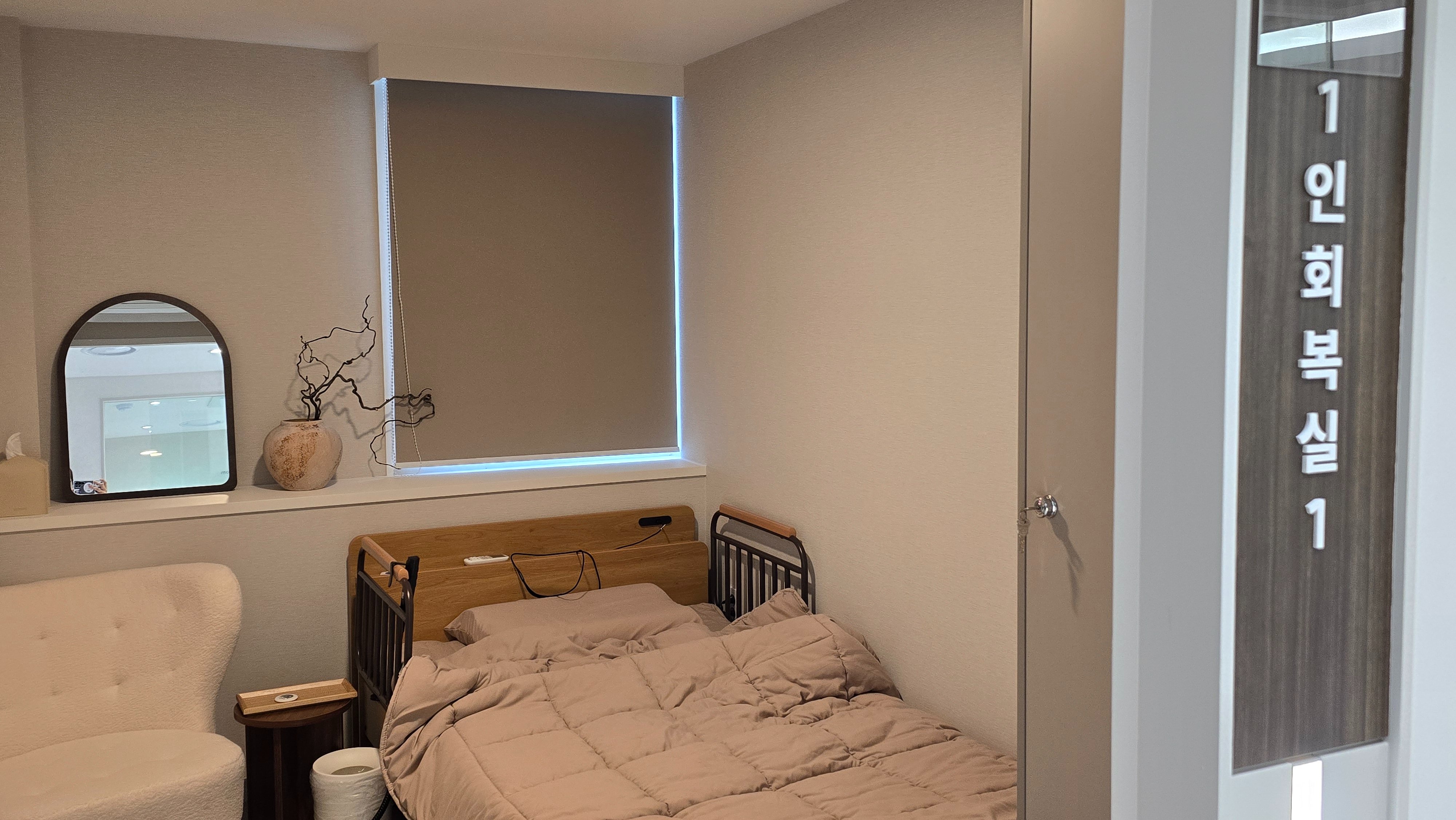
Gangnam Non-Surgical Spinal Stenosis Treatment Options
Non-surgical care generally aims to manage symptoms, support movement, and help people maintain daily function. The appropriate approach depends on the severity and pattern of symptoms, examination findings, other health conditions, and personal goals. Conservative care is not a single procedure or a standard sequence for everyone. An attending doctor may discuss activity changes, rehabilitation, medication, or other approaches when appropriate. The options described below are general possibilities; an individual plan requires assessment.
Movement and rehabilitation
Rehabilitation can help address mobility, strength, and tolerance for everyday activity. A clinician may recommend exercises suited to the person’s symptoms and physical abilities. The emphasis is on movements that can be performed safely and adjusted as needed, rather than pushing through worsening pain. Some people find that certain positions are more comfortable than others. That response can provide useful information when planning activity, although it does not replace an examination or establish a diagnosis.
When discussing exercise, explain which movements provoke symptoms and which activities you would like to maintain. A plan may involve modifying walking, changing positions during the day, or building strength and mobility gradually. Individual response matters: an exercise that feels manageable for one person may aggravate symptoms for another. Stop an activity and seek medical advice if it causes new weakness, spreading numbness, or a substantial increase in pain. Rehabilitation is also easier to assess when goals are concrete, such as being able to complete a familiar household task with fewer interruptions. Changes may take time depending on individual condition, and the plan can be reviewed if symptoms or functional goals change. Ask the attending doctor what movements are appropriate for your circumstances.
Rehabilitation should match the person’s symptoms, abilities, and goals. The most useful plan is one that can be adjusted as the clinical picture changes.
Medication and other approaches
Medication may be considered to help manage pain, but the choice depends on the person’s medical history and the type of symptoms. Medicines are not suitable for everyone, and some can interact with existing treatments or affect other health conditions. Discuss current prescriptions, nonprescription products, and any previous reactions with the attending doctor. Do not start, stop, or change a medication regimen without appropriate medical advice.
In some circumstances, an injection may be discussed as part of non-surgical care. Whether it is appropriate depends on the source of symptoms, the examination, and the expected role of the treatment. An injection is not necessary for every person with spinal stenosis, and its effects differ between individuals. Before proceeding with any proposed treatment, ask what it is intended to address, what alternatives are available, and what risks are relevant to you. It is also reasonable to ask how the response will be assessed and when the plan should be reviewed. Medication and injections should be considered within the broader clinical picture rather than as substitutes for understanding changes in strength, sensation, or daily function.
Points to consider before treatment
Every treatment decision involves weighing potential benefits against risks and personal circumstances. For example, an approach intended to ease pain may not address the underlying narrowing, and symptom relief cannot be assumed. Ask the attending doctor how a proposed option relates to your specific findings and whether there are reasons to avoid it. Share information about other medical conditions and medications so that safety considerations can be taken into account.
Non-surgical care is not always the appropriate sole approach. If nerve-related symptoms are progressing, or if the examination identifies concerning changes, further evaluation may be needed. Surgery can also be considered in some situations after an individual assessment. This does not mean that every person with stenosis needs an operation. The decision depends on factors such as symptom severity, neurological findings, and the effect on daily life, as well as a discussion of available options.
Before agreeing to a plan, make sure you understand its purpose and what to monitor at home. Ask which changes should prompt an earlier review and what to do if symptoms worsen. It can be helpful to record whether you can walk, stand, or sleep more comfortably, rather than judging progress by pain alone. Follow the instructions given for your circumstances and bring questions to the next discussion with the attending doctor.
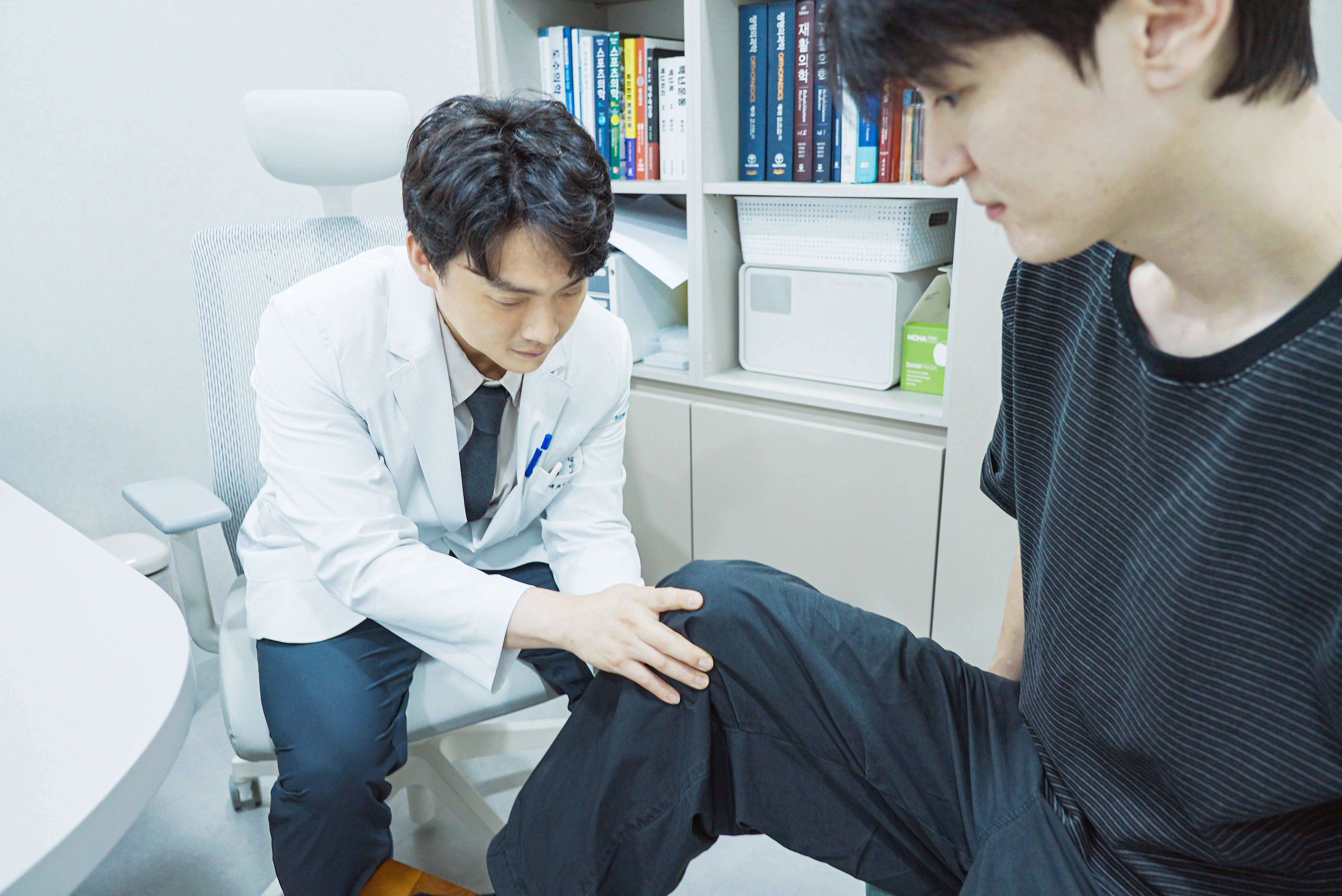
Planning Gangnam Non-Surgical Spinal Stenosis Treatment
A productive consultation starts with a clear account of your symptoms and expectations. Think about the activities that have become difficult, the positions that affect your discomfort, and any changes you have noticed in strength or sensation. Preparation helps connect medical findings with the problems you want to address. Bone & Heal Clinic provides care in orthopedics and anesthesiology; an individual assessment can help clarify the next steps for spinal symptoms.
Prepare for your visit
Write down where symptoms occur and whether they remain in one area or travel into an arm or leg. Note when you first noticed them, whether they are changing, and what happens during walking, standing, sitting, or rest. Bring a list of current medications and any relevant previous reports. If you have tried exercise, medication, or another approach, describe what you did and whether it changed your symptoms.
It is also useful to identify the practical effect of your symptoms. For example, you might describe needing to stop during a familiar walk or having difficulty completing a routine task. If sleep or work is affected, mention that as well. Be candid about any numbness, weakness, balance changes, or bladder and bowel symptoms, even if you are unsure whether they are connected. These details help the attending doctor assess the full picture. You can also bring questions about the examination, the reason for any recommended test, and the options being considered. If a previous explanation was unclear, ask for it to be restated in everyday language. Understanding the proposed next step is an important part of making an informed decision.
A useful consultation connects symptom history, examination findings, and the activities that matter to you. Clear questions and a current medication list can make that discussion more productive.
Questions to ask about your plan
Start by asking what the examination suggests and whether another condition could explain the symptoms. If testing is recommended, ask what information it is expected to add and how the result might affect the plan. For a proposed treatment, ask about its purpose, potential risks, and alternatives. You can also ask what level of activity is appropriate while symptoms are being assessed and which changes would require more urgent attention.
Discuss how progress will be reviewed. Pain is important, but it is not the only measure: walking tolerance, strength, sleep, and the ability to perform everyday tasks can also matter. Ask whether there are specific signs you should track and when to contact the medical staff if the plan is not helping. If an option does not fit your circumstances or preferences, say so. A useful discussion should leave you with a clear understanding of what you are being asked to do and why. Costs and duration depend on the individual plan; ask about these practical details when discussing the proposed care. Keep any instructions you receive in a form you can refer to later.
Monitoring symptoms between visits
Pay attention to meaningful changes rather than isolated fluctuations. Note whether symptoms appear with the same activities, whether you need more frequent breaks, and whether numbness or weakness is changing. A brief record can help you give a clearer update at a follow-up discussion. Include any questions that arise while following the plan, particularly if an activity or medication appears to affect how you feel.
Seek prompt medical advice if symptoms are worsening or if you notice a change in strength, balance, or walking. Emergency assessment is important for new bladder or bowel control problems, numbness around the groin or inner thighs, or rapidly worsening weakness. These signs require attention even if you already have a diagnosis or a planned appointment. Do not assume that a change is simply part of the usual course of spinal stenosis.
For ongoing concerns, use your symptom record to describe what has changed and how it affects daily life. The attending doctor may reassess the plan, consider additional testing, or discuss other options in response to the findings. The aim is to make decisions that reflect your current condition rather than relying on an earlier assessment indefinitely. If anything about your instructions is unclear, ask for clarification before making changes on your own.
Frequently Asked Questions
Q.What kind of care does Bone & Heal Clinic provide?
A.Bone & Heal Clinic provides care in orthopedics and anesthesiology.
Q.When should I seek an assessment for possible spinal stenosis?
A.Consider an assessment if back or neck discomfort is accompanied by recurring numbness, tingling, weakness, or difficulty walking. New bladder or bowel control problems, groin numbness, or rapidly worsening weakness require emergency attention.
Q.What non-surgical approaches might be discussed?
A.Depending on the individual assessment, a discussion may include activity changes, rehabilitation, medication, or injections. The attending doctor can explain which options are appropriate for your symptoms and medical history.
Q.What should I bring to an appointment?
A.Bring a list of current medications and any relevant previous reports. It also helps to note where symptoms occur and how they affect walking, standing, sleep, or other daily activities.
Q.Where is Bone & Heal Clinic, and how can I contact it?
A.Bone & Heal Clinic is at 143-5, Nonhyeon-dong, Gangnam-gu, Seoul, Republic of Korea. The phone number is 02-6673-7582.
Clinic Information
| Clinic | Bone & Heal Clinic |
|---|---|
| Specialty | orthopedics,anesthesiology |
| Address | 143-5, Nonhyeon-dong, Gangnam-gu, Seoul, Republic of Korea |
| Phone | 02-6673-7582 |
| Website | https://bonenheal.co.kr |
| Specialist | Specialist care |
 Bone & Heal Clinic