

Understanding Seoul minimally invasive spine treatment
Spine symptoms can have many causes, and a procedure is not automatically the right starting point. An assessment considers where the discomfort occurs, whether it travels into an arm or leg, and how it affects daily activities. Minimally invasive describes how a procedure is performed; it does not identify the cause of the symptoms or guarantee a particular outcome. Bone & Heal Clinic provides care in orthopedics and anesthesiology. Patients considering a minimally invasive approach can discuss their concerns and appropriate care options with the medical staff.
What minimally invasive means
A minimally invasive procedure generally aims to reach the area being treated while limiting disruption to surrounding tissue. The approach may differ depending on the condition and the procedure being considered. It is useful to ask what the procedure is intended to address, how it is performed, and whether anesthesia is involved. A smaller treatment area does not necessarily mean that a procedure is suitable for every patient. The decision still depends on an accurate assessment and a discussion of expected benefits and risks.
Spine care is not a single treatment pathway. A person with discomfort that remains in the lower back may need a different assessment from someone whose symptoms extend into a leg. Similarly, neck discomfort accompanied by arm weakness deserves a different discussion from stiffness without weakness. The pattern of symptoms can be as important as their location. When meeting with the medical staff, describe what you feel in your own words rather than trying to name the condition. Explain whether the discomfort is constant or comes and goes, what activities affect it, and whether you have noticed numbness or weakness. If a procedure is discussed, ask how it relates to the suspected source of your symptoms. Understanding that connection makes it easier to weigh an intervention against other appropriate options, including nonprocedural care or further assessment.
The term “minimally invasive” describes an approach, not a diagnosis. The most useful first step is to understand the symptoms and the reason a particular treatment is being considered.
Symptoms worth discussing
People seek spine care for concerns such as back or neck discomfort, stiffness, and symptoms that travel into an arm or leg. Tingling, numbness, or weakness can provide important information for an assessment. Explain whether these sensations interfere with walking, sitting, work, sleep, or other activities. It also helps to mention any recent injury and whether symptoms are changing. New or worsening weakness should receive prompt medical attention, rather than being treated simply as routine discomfort.
The details surrounding a symptom can help the attending doctor understand what needs further evaluation. Note the activities that bring it on and those that ease it, but avoid pushing through an activity solely to reproduce the discomfort. If you have had similar symptoms before, explain what happened and what care you received. Bring relevant records if you have them, including prior test results and a list of medicines you take. Seek urgent medical care for symptoms such as new loss of bladder or bowel control, numbness around the groin, or rapidly worsening leg weakness. These symptoms require prompt assessment and should not wait for a routine discussion about treatment options. Severe symptoms after a significant injury also warrant urgent evaluation. For less urgent concerns, a clear description of the problem can help guide the consultation.
Why the diagnosis comes first
Back and neck symptoms do not always point to one structure or one cause. An assessment may include questions about your medical history and a physical examination; the attending doctor can explain whether further testing is appropriate. Imaging results, when available, should be considered alongside your symptoms and examination findings. A finding on an image does not automatically explain every symptom, so ask how the result relates to what you are experiencing.
It is reasonable to ask what the working diagnosis is, what other explanations are being considered, and whether the assessment is complete enough to guide treatment. If the cause remains uncertain, ask what information would help clarify it. A treatment plan should address the problem identified during assessment, rather than being selected solely because it is described as minimally invasive.
| Information to share | Why it matters |
|---|---|
| Location and pattern of symptoms | Helps describe where discomfort occurs and whether it travels. |
| Numbness or weakness | Helps identify symptoms that need careful assessment. |
| Effect on daily activities | Helps define practical treatment goals. |
| Previous care and relevant records | Provides context for the current consultation. |
A concise symptom history can make a consultation more productive. Consider writing down your main concern, any changes you have noticed, and the activities most affected. Include questions about the assessment as well as treatment. If you are unsure whether a symptom is relevant, mention it rather than leaving it out. The medical staff can help determine which details matter to your care.
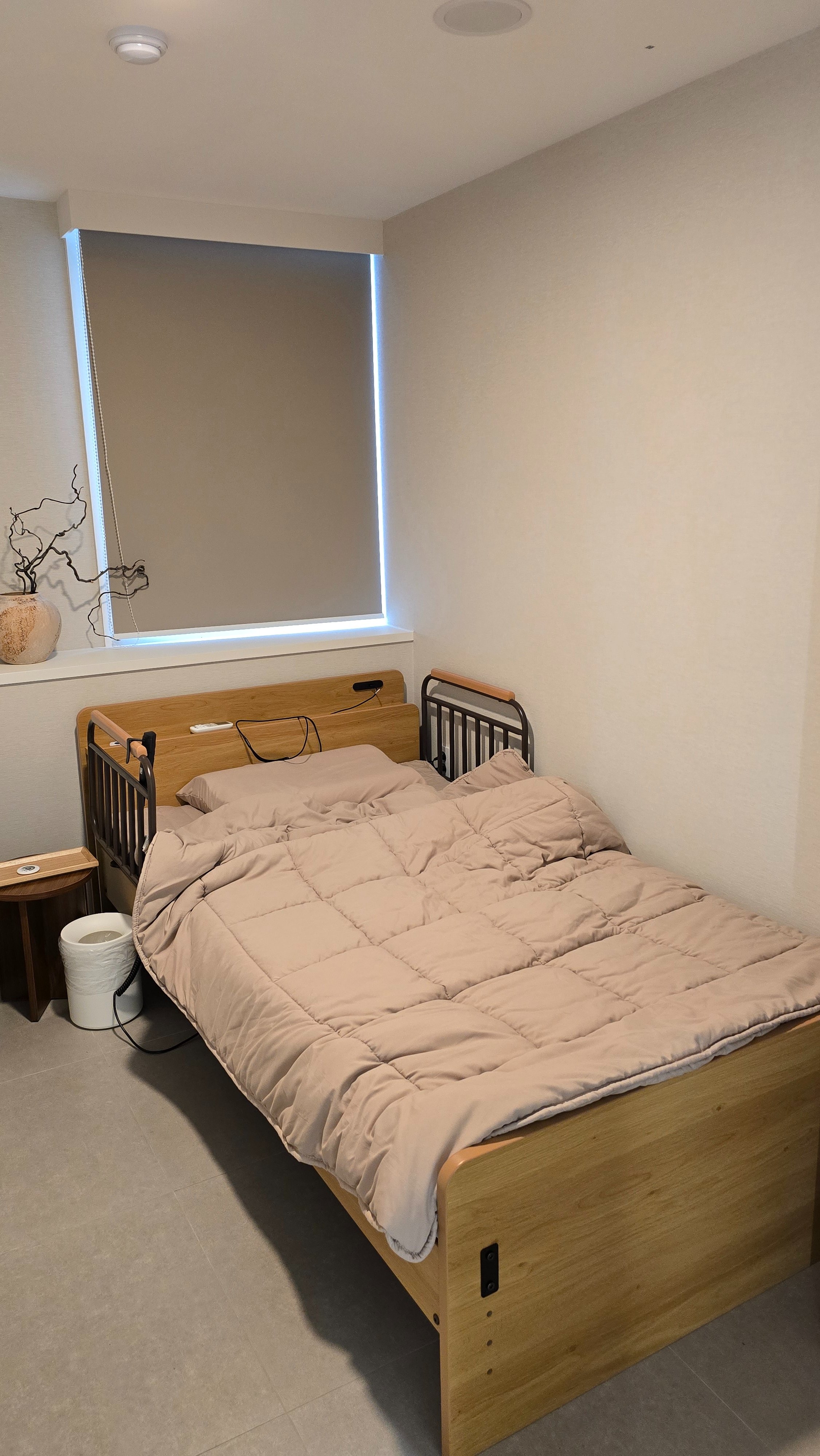
Evaluating Seoul minimally invasive spine treatment options
Once the cause of symptoms has been assessed, the next step is to discuss the available options and the purpose of each one. Depending on the condition, the discussion may include nonprocedural care, further evaluation, or a procedure. The choice should reflect both the clinical findings and what matters to you, such as returning to ordinary activities or managing discomfort. At Bone & Heal Clinic, ask the medical staff which options are appropriate for your circumstances and what each option is intended to achieve.
Setting practical treatment goals
A useful goal is specific enough to discuss and assess. Rather than focusing only on a treatment label, consider which activities you want to resume or make more manageable. You might want to sit more comfortably at work, walk with less interruption, or sleep without being awakened by discomfort. Explain these priorities during your consultation. The attending doctor can discuss how the proposed plan relates to your symptoms and whether the goal is realistic for your condition.
Treatment goals can also guide a conversation about what happens after care. Ask how the medical staff would assess your progress and which changes should prompt you to get back in touch. Changes may take time depending on your individual condition and the treatment chosen. Improvement is not always reflected by pain alone: movement, sleep, and participation in daily activities may also matter. At the same time, a change in symptoms should be interpreted in context. New weakness, for example, is different from ordinary fluctuations in discomfort and should be reported promptly. If more than one approach is appropriate, ask how each addresses your priorities and what it requires from you. A clear understanding of the goal helps you make an informed decision without assuming that any procedure will produce a particular result.
A useful treatment discussion connects the proposed care to a specific diagnosis and a practical goal. Ask how progress will be assessed and which changes should be reported.
Points to consider before treatment
Every procedure has considerations, even when it is described as minimally invasive. Ask about potential complications, anesthesia or medication considerations, and any restrictions that could affect your plans. The relevant details depend on the proposed procedure and your health. Discuss allergies, current medicines, and previous reactions to anesthesia or treatment. Do not stop or change a prescribed medicine on your own; ask the attending doctor for instructions specific to you.
Informed consent is more meaningful when you understand the alternatives as well as the proposed intervention. Ask what could happen if you choose nonprocedural care or decide to wait, and whether delaying a decision would change the assessment. It is also reasonable to ask what the procedure can and cannot address. For example, a plan aimed at a particular source of symptoms may not resolve discomfort arising from another cause. If the explanation is unclear, ask the medical staff to describe it in everyday language. You can also repeat your understanding back to the attending doctor to check that you have understood correctly. The decision should be based on your diagnosis, medical circumstances, and preferences, not on the procedure’s name alone. Take time to consider the answers before agreeing to care.
Questions to ask about recovery
Recovery instructions depend on the treatment and the individual. Before a procedure, ask what to expect immediately afterward, whether you will need someone to accompany you, and when you can return to work or usual activities. If anesthesia is planned, ask how it may affect your arrangements for the day. The medical staff can explain which instructions apply to your care and what to do if you have concerns after leaving.
Also ask which symptoms are expected and which require prompt contact or urgent care. Understanding this distinction helps you respond appropriately rather than guessing. If follow-up is recommended, clarify its purpose and how your progress will be reviewed. Keep written instructions accessible, and ask for clarification before leaving if any part of the plan is unclear.
| Topic | Question to discuss |
|---|---|
| Purpose | What problem is the proposed treatment intended to address? |
| Alternatives | What other appropriate options should I consider? |
| Preparation | Do my medicines or health history affect the plan? |
| Recovery | What activities should I discuss before returning to them? |
These questions are a starting point, not a substitute for individualized advice. Your circumstances may call for a different set of priorities, particularly if you have other health conditions or have had previous spine care. Bring up any practical concerns that could affect your ability to follow the plan. A treatment discussion should leave you with a clear understanding of what is being proposed and what your next step will be.
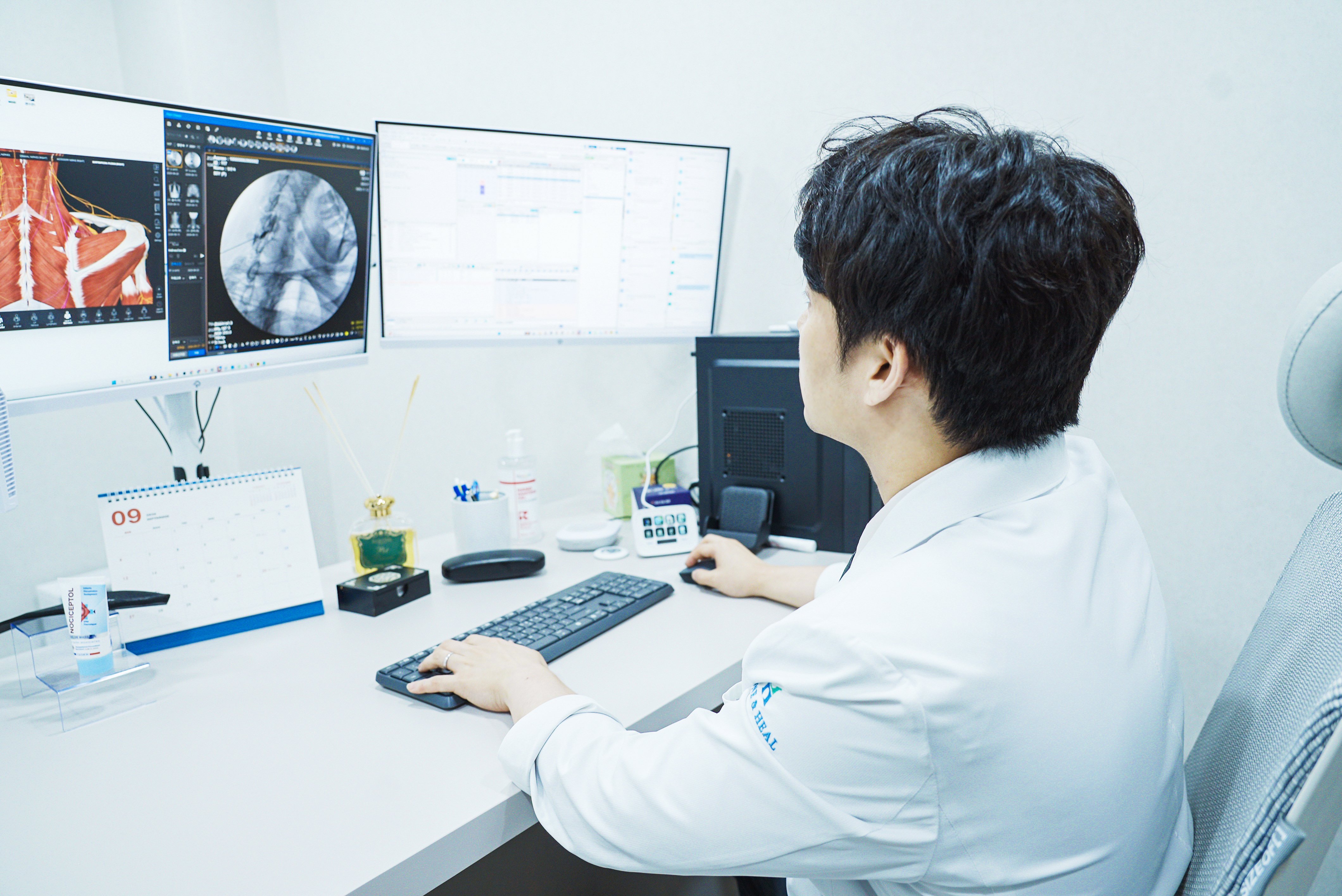
Preparing for Seoul minimally invasive spine treatment consultations
Good preparation helps you use consultation time effectively. Gather relevant records, note your current medicines and allergies, and describe how your symptoms affect everyday life. You do not need to decide on a procedure before speaking with the medical staff. Instead, arrive ready to discuss your concerns and ask how the assessment will guide care. At Bone & Heal Clinic, the discussion can begin with your symptoms and the questions most important to you.
Organizing your medical history
Bring information about previous assessments or treatments related to your symptoms, if available. This may include reports, test results, and details of medicines or other care you have tried. Explain what helped, what did not help, and whether you experienced an unwanted reaction. Include other relevant health conditions and allergies. A written list can be useful if you take several medicines or find it difficult to recall names during an appointment.
Your symptom history does not need to be elaborate. A short note describing where the problem began, how it has changed, and what affects it can provide a useful starting point. Include symptoms that occur away from the back or neck, such as sensations in an arm or leg, and describe whether you have noticed a change in strength. If you have prior imaging, ask whether the results are relevant to your current symptoms rather than assuming an older finding explains the present problem. It is also helpful to identify your main question before the visit: you may want to understand the cause, compare care options, or clarify whether a proposed procedure is appropriate. Bring the information you have, but do not delay seeking urgent care in order to assemble records. The medical staff can advise on what further information is useful.
A clear symptom history and a list of medicines can make the consultation easier to navigate. Bring relevant records when available, but seek urgent care promptly for serious new symptoms.
Discussing orthopedics and anesthesiology
Bone & Heal Clinic provides care in orthopedics and anesthesiology. When discussing a spine concern, ask how the assessment relates to your symptoms and whether a proposed treatment involves anesthesia. If anesthesia is being considered, share your medical history and any previous reactions. The attending doctor can explain the relevant preparation and answer questions about the planned care.
The conversation should be tailored to the treatment under consideration. Not every consultation leads to a procedure, and not every procedure involves the same form of anesthesia. If a treatment is recommended, ask what role anesthesia would play, what information the medical staff needs from you, and whether you should make any arrangements afterward. Mention concerns about medicines, allergies, or previous experiences so that these can be considered in the plan. If you are already receiving care elsewhere, explain that as well, including any instructions you have been given. The aim is not to arrive with a predetermined solution, but to understand your options and the reasons behind them. Before making a decision, make sure you know whom to contact with questions and what follow-up is recommended for your situation.
Planning your next step
After the consultation, review the explanation of your condition and the plan you discussed. If a term or instruction is unfamiliar, ask for it to be explained. You may also want to note the purpose of any recommended treatment, the alternatives discussed, and the next point of contact. This can make it easier to remember the plan and share relevant information with others involved in your care.
If you decide to proceed with treatment, follow the individualized instructions from the medical staff. Ask before making changes to prescribed medicines or activity restrictions. If symptoms change while you are considering your options, report the change rather than assuming the original plan still applies. For serious new symptoms, seek urgent medical attention.
| Before the consultation | After the consultation |
|---|---|
| List symptoms and affected activities. | Review the diagnosis and proposed plan. |
| Gather relevant records and medicine details. | Clarify any instructions you do not understand. |
| Write down your main questions. | Know how to raise concerns or arrange follow-up. |
A thoughtful approach to spine care leaves room for questions and for decisions based on your circumstances. Minimally invasive treatment can be part of a care discussion, but its suitability depends on what the assessment finds. Focus on understanding the proposed treatment, its purpose, and the alternatives. That foundation is more useful than choosing care based on a label alone.
Frequently Asked Questions
Q.What kind of care does Bone & Heal Clinic provide?
A.Bone & Heal Clinic provides care in orthopedics and anesthesiology. Patients can discuss spine-related concerns and appropriate care options with the medical staff.
Q.Who might consider a consultation for spine symptoms?
A.A consultation can be useful for someone with back or neck discomfort, stiffness, or symptoms that extend into an arm or leg. New or worsening weakness warrants prompt medical attention.
Q.How should I discuss treatment options with the medical staff?
A.Describe your symptoms and their effect on daily activities, then ask how the assessment guides the options. If a procedure is proposed, ask about its purpose, alternatives, and relevant risks.
Q.What should I bring to a consultation?
A.Bring relevant medical records if available, along with a list of your medicines and allergies. A note describing your symptoms and main questions can also help.
Q.Where is Bone & Heal Clinic, and how can I contact the clinic?
A.Bone & Heal Clinic is at 143-5, Nonhyeon-dong, Gangnam-gu, Seoul, Republic of Korea. You can contact the clinic at 02-6673-7582.
Clinic Information
| Clinic | Bone & Heal Clinic |
|---|---|
| Specialty | orthopedics,anesthesiology |
| Address | 143-5, Nonhyeon-dong, Gangnam-gu, Seoul, Republic of Korea |
| Phone | 02-6673-7582 |
| Website | https://bonenheal.co.kr |
| Specialist | Specialist care |
 Bone & Heal Clinic