
Seoul spine injection clinic: Understanding the treatment
Spinal injections place medication near a structure that may be contributing to back, neck, or radiating pain. The intended target depends on the symptoms and the clinical assessment; an injection is not a single procedure used in the same way for every patient. The first step is identifying the treatment goal: relieving symptoms, helping investigate a possible pain source, or both. At Bone & Heal Clinic, patients can discuss spinal concerns in the context of orthopedic and anesthesiology care.
How an injection fits into spine care
Back and neck pain can arise from different structures, including muscles, joints, discs, and nerves. Symptoms alone do not always establish the source. An attending doctor considers where the pain occurs, whether it travels into an arm or leg, and how it affects movement and daily activities. An injection may be considered when the assessment suggests a suitable target, but the decision also depends on the person’s health history and other care options.
Some spinal injections are intended to deliver medication close to an irritated area. Others can help clarify whether a particular structure is contributing to pain. The response can provide useful information, although it does not always give a definitive answer. A treatment plan may also include approaches such as activity modification or rehabilitation, depending on the clinical assessment. An injection is one part of care, not a substitute for understanding the underlying problem. During consultation, describe both the pain itself and the activities it limits. That information helps the attending doctor explain the purpose of a proposed procedure and how its effect would be evaluated.
A spinal injection should have a clear target and a clear purpose. Understanding both helps patients make an informed decision about whether to proceed.
Common types of spinal injections
Different injections are named for the area being treated. For example, an epidural injection places medication in the space around the spinal nerves, while a facet joint injection targets a joint at the back of the spine. A nerve root injection is directed near a specific spinal nerve. These are general examples of spinal injection approaches, not a list of procedures available at Bone & Heal Clinic.
The choice of target depends on more than the location of discomfort. Pain that travels down a leg, for example, may prompt an assessment of a nerve-related cause, while pain associated with particular movements may lead the attending doctor to examine other structures. The doctor may also review imaging when clinically relevant. Medications can differ by procedure and purpose; some injections use a local anesthetic, a corticosteroid, or both. The name of an injection does not, by itself, establish that it is appropriate for a particular diagnosis. Ask which area would be treated, what medication is proposed, and what the injection is expected to add to your care.
Who may consider an assessment
An assessment may be useful when back or neck pain persists, returns, or interferes with work, sleep, or movement. Pain that extends into an arm or leg, or occurs with tingling or numbness, also deserves clinical attention. The attending doctor can assess the symptoms and discuss whether an injection or another approach is appropriate. The need for treatment depends on the findings, not simply on how long the pain has been present.
Some symptoms require urgent evaluation rather than a routine appointment. Seek urgent medical attention for new or worsening weakness, loss of bladder or bowel control, or numbness around the groin or inner thighs. Severe back pain accompanied by fever or a significant injury also warrants prompt medical assessment. These symptoms can have different causes and should not be managed by waiting for an injection consultation.
Before a visit, note when the symptoms began, where they are felt, and whether they have changed. It is also useful to describe what makes the pain better or worse and any previous treatments you have tried. Bring relevant test results if you have them. A concise symptom history helps the attending doctor focus the assessment and discuss the next step with you.

Seoul spine injection clinic: How treatment is administered
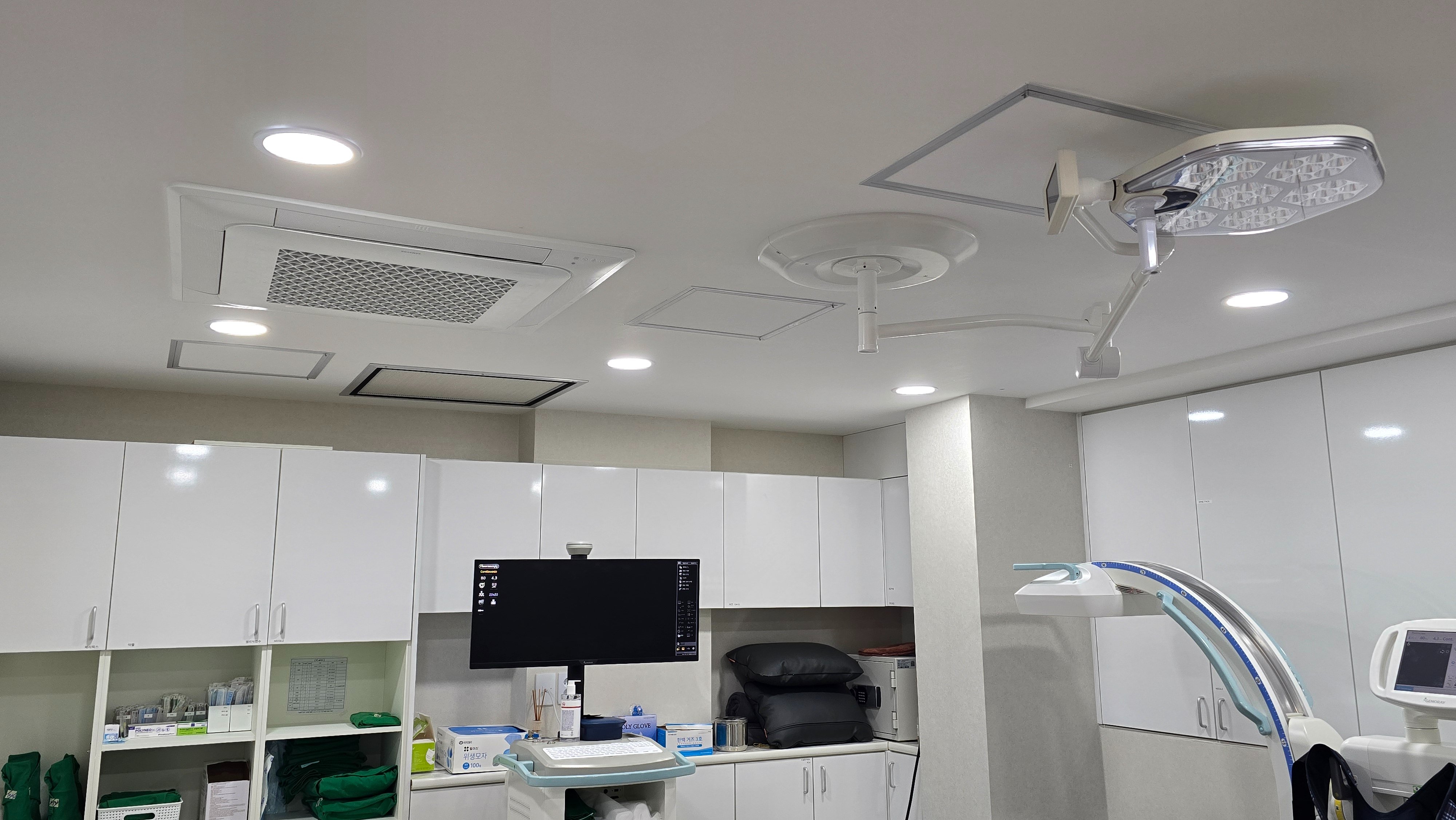
A spinal injection is planned around the area being targeted and the medication to be delivered. The attending doctor first assesses whether the proposed procedure is suitable, then explains how it will be performed and what to expect afterward. The details can differ between injection types. Ask about the planned approach rather than assuming that every spinal injection follows the same process. The explanation should cover positioning, medication, guidance methods, and the arrangements for leaving after the procedure.
Assessment and preparation
Before an injection, the attending doctor reviews symptoms, relevant examination findings, and medical history. Disclose current medicines and supplements, allergies, infections, and any previous reactions to medications or procedures. Conditions that affect bleeding or infection risk are particularly important to discuss. If you take a blood-thinning medicine, tell the medical staff; do not stop or change prescribed medication on your own.
Preparation instructions depend on the planned procedure and your health. Ask whether you need to adjust food or drink, whether you can drive afterward, and which regular medicines to take. If a medication change is needed, the attending doctor can explain how it should be coordinated with the clinician who prescribed it. Also mention a possible pregnancy and any concerns about contrast material or local anesthetic. Imaging results may help the doctor plan a procedure when appropriate, but not every patient needs the same tests. The aim of preparation is to identify factors that could affect the procedure and make sure you understand the plan before giving consent.
Preparation starts with a complete medication and health history. The safest instructions are tailored to the planned injection and your individual circumstances.
Positioning and needle placement
For a spinal injection, the patient is positioned so the attending doctor can reach the intended area. The skin is cleaned, and a local anesthetic may be used to numb the area. The doctor then guides a needle toward the selected target. Depending on the procedure, imaging guidance may be used to help identify the location. The approach and equipment should be explained before treatment.
Some image-guided procedures use contrast material to help show where medication will spread. Whether contrast is appropriate depends on the procedure and the patient’s history, including allergies and other relevant health considerations. Once the needle is positioned, the medication is administered and the needle is removed. Patients may feel pressure or brief discomfort during the process; the attending doctor should be told about unexpected or severe pain. Guidance methods and medications are selected for the individual procedure, so ask what is planned in your case. If you are concerned about discomfort or positioning, raise those concerns before treatment so the medical staff can explain the available options.
What happens after the injection
After the procedure, the medical staff may observe you for a period and provide instructions for going home. These instructions can address activity, driving, medicines, and what symptoms to report. Temporary soreness at the injection site can occur. Depending on the medication used, numbness or a change in pain may be noticed soon after treatment; changes can also take time depending on the individual condition.
Keep track of how symptoms change after the injection, including pain during the activities that were difficult beforehand. This record can help the attending doctor assess the response at follow-up. A change in symptoms does not necessarily confirm a diagnosis on its own, and a limited response can also inform the next discussion. Ask when and how to report your progress and whether any activity restrictions apply.
| Stage | Useful question to ask |
|---|---|
| Assessment | What structure is the proposed injection intended to target? |
| Preparation | Do any of my medicines or health conditions affect the plan? |
| Procedure | What medication and guidance method are planned? |
| Follow-up | What changes should I record, and when should I report them? |
Contact the medical staff promptly if you develop symptoms that concern you after an injection. Seek urgent medical attention for new or worsening weakness, loss of bladder or bowel control, severe symptoms, or signs of a serious allergic reaction such as difficulty breathing. Fever or increasing redness, swelling, or pain at the injection site should also be assessed promptly. The discharge instructions should explain whom to contact and when to seek urgent care.
Seoul spine injection clinic: Points to consider before treatment
The potential benefit of a spinal injection is a more targeted approach to managing or investigating pain. Its usefulness depends on the suspected pain source, the procedure, and the individual response. A decision is most useful when it includes the expected benefit, the relevant risks, and the alternatives. Bone & Heal Clinic offers orthopedic and anesthesiology care, providing a setting to discuss spinal symptoms and whether an injection should be considered.
Benefits and treatment goals
An injection may help reduce pain or provide information about whether a selected structure contributes to symptoms. If pain improves, the change may make it easier to participate in daily activities or a rehabilitation plan. The degree and duration of any improvement differ, and treatment does not guarantee relief. Discuss what a meaningful response would look like for you, such as walking, sleeping, or working with less discomfort.
It is also important to distinguish symptom management from treatment of an underlying condition. An injection may reduce inflammation or temporarily interrupt pain signals, depending on the medication and target, but it does not necessarily resolve the cause of the symptoms. The attending doctor can explain how the proposed procedure relates to the broader plan and what other approaches might be appropriate. If the purpose is diagnostic, ask how the response will be interpreted and what the next step might be. Clear goals make follow-up more informative, whether the result is improvement, no noticeable change, or a short-lived response.
The value of an injection depends on the question it is intended to answer or the symptom it is intended to address. Agreeing on a goal beforehand makes the outcome easier to assess.
Risks and individual considerations
Like other medical procedures, spinal injections carry risks. These can include temporary soreness, bleeding, infection, or a reaction to medication. Other risks depend on the injection site, medication, and technique. The attending doctor should explain the risks relevant to the proposed procedure and how your health history affects the decision. Ask questions until you understand the plan and feel able to make an informed choice.
Tell the medical staff about fever or signs of infection before the procedure, as well as any history of bleeding problems or reactions to injected medications. If you have a chronic condition or take regular medication, ask whether it changes the preparation or follow-up plan. A previous injection response is also worth discussing: explain what was injected if you know, how long any change lasted, and whether you experienced an unwanted reaction. Individual suitability cannot be determined from the procedure name alone. The attending doctor’s assessment is needed to weigh the possible benefits against the relevant risks and discuss alternatives.
Questions to bring to a consultation
Start with the diagnosis or suspected source of pain. Ask what findings support it, whether further assessment is needed, and why an injection is being considered now. If an injection is proposed, ask where it will be placed and what medication it will contain. You can also ask what the procedure is intended to accomplish and how the response will guide future care.
Practical questions matter as well. Discuss preparation, transportation, recovery instructions, and the point at which you should contact the medical staff. Costs depend on the proposed care; ask for an explanation before deciding whether to proceed. If you have concerns about work, caregiving, exercise, or other responsibilities, mention them so you can understand how the procedure may affect your plans.
A consultation is also an opportunity to discuss other approaches and decide what fits your circumstances. Bring a list of current medicines and any relevant records, and be prepared to describe how symptoms affect daily life. At Bone & Heal Clinic, the attending doctor can review your concerns and explain the next steps appropriate to your assessment.
Frequently Asked Questions
Q.What kind of care does Bone & Heal Clinic provide?
A.Bone & Heal Clinic provides care in orthopedics and anesthesiology. Patients can discuss spine-related symptoms and whether an injection is appropriate for their circumstances.
Q.Who should consider an assessment at Bone & Heal Clinic?
A.An assessment may be helpful for someone with back or neck pain that persists, returns, or affects daily activities. Pain that travels into an arm or leg can also be discussed with the medical staff.
Q.How are spinal injections administered?
A.A spinal injection places medication near a selected spinal structure. The target, medication, and guidance method depend on the procedure and the patient’s assessment.
Q.What should I prepare before a consultation?
A.Bring a list of medicines and relevant medical records, and note where your symptoms occur and how they affect daily life. Tell the medical staff about allergies, infections, and previous reactions to procedures.
Q.Where is Bone & Heal Clinic, and how can I contact the clinic?
A.Bone & Heal Clinic is at 143-5, Nonhyeon-dong, Gangnam-gu, Seoul, Republic of Korea. Call 02-6673-7582 to ask about a consultation.
Clinic Information
| Clinic | Bone & Heal Clinic |
|---|---|
| Specialty | orthopedics,anesthesiology |
| Address | 143-5, Nonhyeon-dong, Gangnam-gu, Seoul, Republic of Korea |
| Phone | 02-6673-7582 |
| Website | https://bonenheal.co.kr |
| Specialist | Specialist care |
 Bone & Heal Clinic