
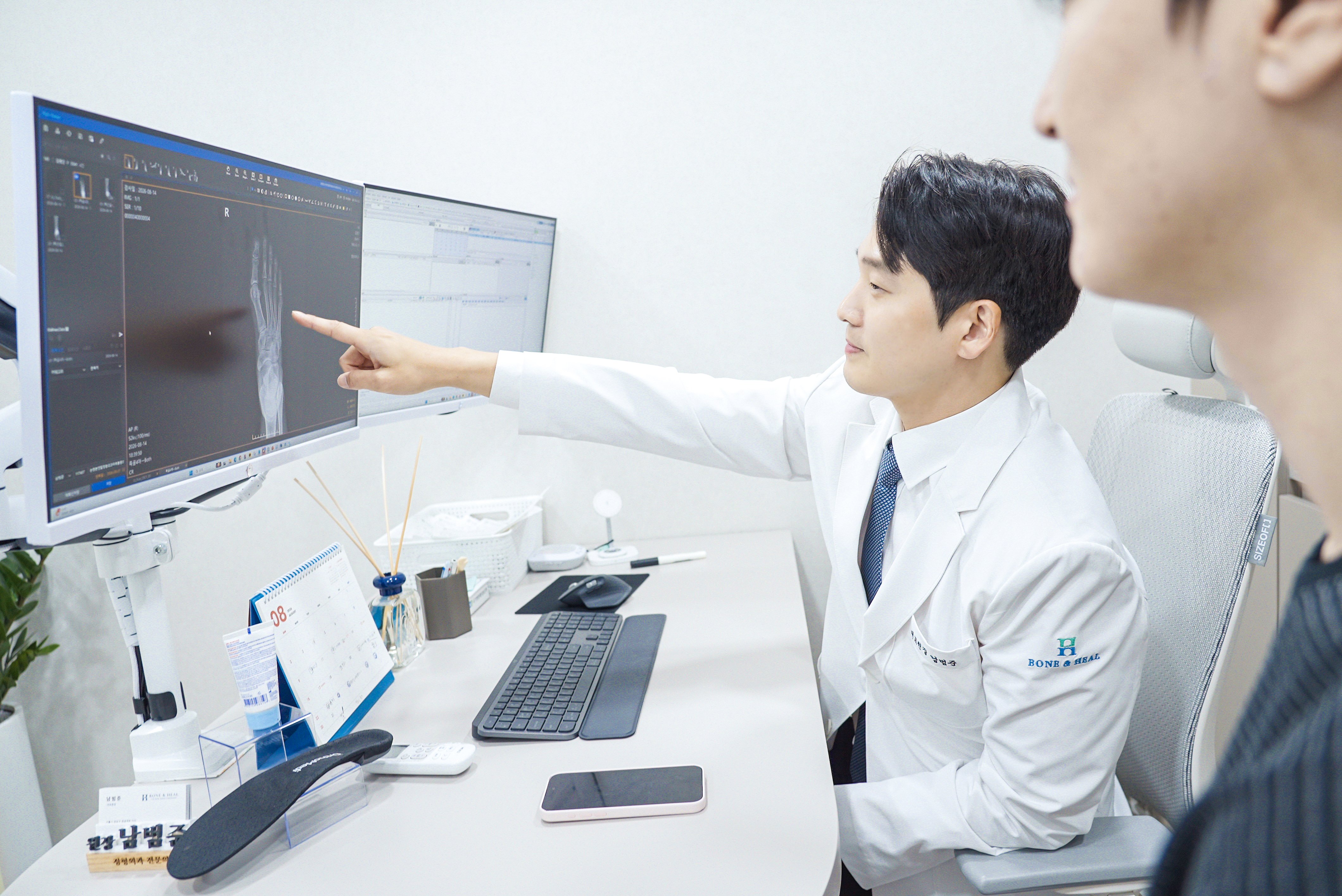
Gangnam Balloon Neuroplasty: How the Technique Works
Balloon neuroplasty is a catheter-based approach that may be considered for some people with persistent pain associated with spinal nerve irritation. The procedure is designed to reach an area around a spinal nerve through a small entry point, rather than through open surgery. A balloon on the catheter can be inflated in a controlled manner to help create space and address tissue adhesions. A diagnosis is essential: not every cause of back or leg pain is suitable for this approach.
Understanding Nerve Irritation and Adhesions
Spinal nerves can become irritated when surrounding structures place pressure on them or when inflammation affects nearby tissue. Symptoms depend on the nerve involved and can include pain that travels into an arm or leg, tingling, or numbness. Adhesions are bands of scar-like tissue that can form around structures in the spine. When adhesions restrict movement or contribute to irritation around a nerve, a doctor may consider whether a targeted procedure is appropriate.
Pain alone does not identify its source. A clinical assessment typically starts with a discussion of where symptoms occur, how long they have been present, and whether particular movements make them better or worse. The attending doctor may examine strength, sensation, and reflexes to look for signs of nerve involvement. Imaging can also help clarify whether a structural change corresponds to the symptoms, although an image finding does not always explain pain. The important question is whether the examination, symptoms, and available imaging point to the same problem. This distinction helps guide a discussion about treatment options, including whether a catheter-based procedure has a reasonable role.
Balloon neuroplasty targets a specific area around a spinal nerve; it is not a general treatment for every type of back pain. The symptoms, examination, and imaging need to be considered together before discussing the procedure.
The Role of the Balloon Catheter
A catheter is a thin, flexible tube that can be guided toward the area being treated. In balloon neuroplasty, a small balloon at or near its tip is inflated after the catheter is positioned. The aim is to create space in a targeted area and help address adhesions that may be contributing to nerve irritation. The precise approach depends on the location of the problem and the attending doctor’s assessment.
The procedure is commonly discussed in relation to the epidural space, the area surrounding the protective covering of the spinal cord and nerve roots. Image guidance may be used to help the doctor follow the catheter’s position. Depending on the treatment plan, medication may also be delivered through the catheter. These details matter because balloon neuroplasty is not simply an injection: the balloon component is intended to act on the targeted area mechanically. The treatment plan should identify the suspected source of symptoms and explain what the procedure is intended to address. Patients can ask how the catheter will be guided, whether medication is planned, and what alternatives are appropriate for their condition.
How It Differs From Open Surgery
Balloon neuroplasty uses a catheter rather than the larger surgical exposure associated with open procedures. It is therefore described as minimally invasive, but that term does not mean the procedure is risk-free or suitable for everyone. The choice between a catheter-based approach, continued conservative care, and surgery depends on the diagnosis, symptoms, examination findings, and treatment goals.
Some conditions require a different approach to relieve pressure or address instability. For example, a person with progressive weakness needs prompt medical assessment rather than an assumption that a minimally invasive procedure will be enough. A discussion of alternatives should cover what each option is intended to do and the circumstances in which the plan might change.
Bone & Heal Clinic provides care in orthopedics and anesthesiology. For an individual assessment, bring relevant imaging and a record of previous care, and ask whether balloon neuroplasty is appropriate and available for your condition. A clear understanding of the diagnosis is more useful than choosing a procedure based on its name alone.
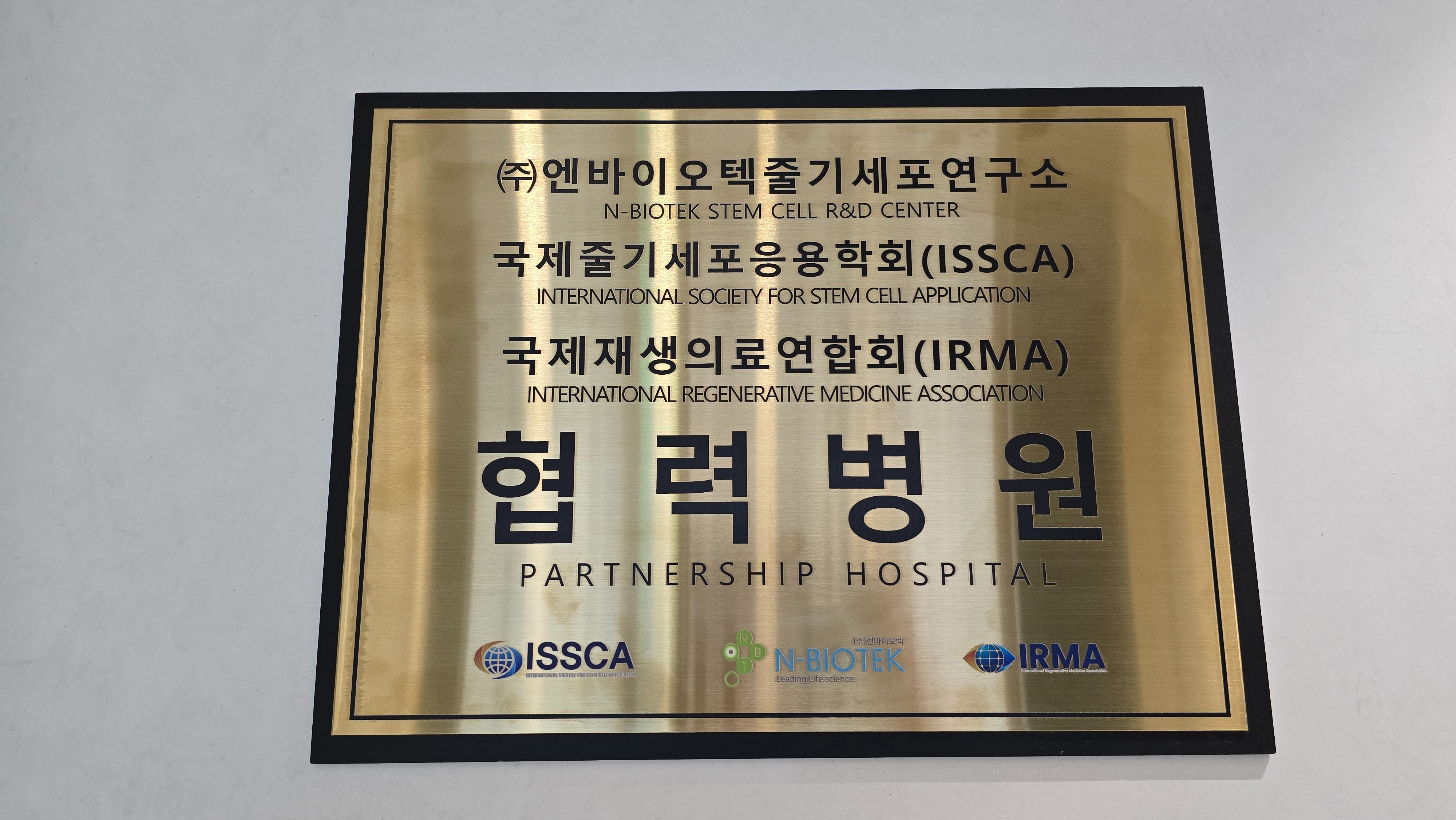
Gangnam Balloon Neuroplasty: Candidates and Expected Outcomes
Balloon neuroplasty may be discussed when symptoms suggest spinal nerve irritation and other treatment options have not provided sufficient relief. The decision is individual: the location and cause of pain, neurological findings, previous treatment, and overall health all matter. Relief cannot be guaranteed, and the degree and duration of improvement differ from person to person. A consultation should establish realistic goals, such as reducing pain or improving tolerance for daily activities.
Who Might Consider the Procedure?
A person experiencing persistent pain that travels from the back into a leg may be assessed for nerve irritation. Depending on the affected area, nerve-related symptoms can also occur elsewhere. The attending doctor will consider whether the pattern of symptoms is consistent with the examination and any imaging findings. Balloon neuroplasty is one potential option in selected cases, not an automatic next step for every patient with radiating pain.
Previous treatment is also relevant. A doctor may ask about medication, exercise-based care, injections, or other interventions and how symptoms responded. This history helps distinguish a treatment that offered temporary relief from one that made no meaningful difference. It is equally important to discuss health conditions, current medicines, allergies, and previous spinal procedures, because these can affect planning and safety. The aim of an assessment is not simply to determine whether a catheter can reach an area. It is to decide whether the proposed treatment matches the suspected cause of symptoms and whether its potential benefits justify the risks for that person.
The strongest reason to consider a procedure is a clear connection between the suspected nerve problem and the symptoms being treated. Outcomes differ, so discuss what improvement would be meaningful and how it will be assessed.
What Outcomes Can Be Expected?
The intended outcome is relief of symptoms associated with the treated nerve, which may help a person resume or tolerate everyday activities. Some people may experience improvement, while others may have limited or no relief. Changes may take time depending on the individual condition. The result can also depend on factors such as the underlying diagnosis and whether more than one source of pain is present.
Before treatment, it helps to define a practical goal rather than focus only on a pain score. A patient might want to sit more comfortably, walk with less interruption, or return to an activity that symptoms have restricted. The attending doctor can explain which goals are reasonable and how progress will be reviewed. An improvement in one symptom does not necessarily mean every source of discomfort has been resolved. Ongoing exercise or other care may still be part of the plan. Ask what the next step would be if symptoms persist or return. This makes follow-up part of the treatment discussion from the outset.
Points to Consider Before Treatment
As with other invasive spinal procedures, balloon neuroplasty carries risks. These can include bleeding, infection, a reaction to medication, or nerve injury. The likelihood and relevance of a particular risk depend on the procedure and the patient’s health. The attending doctor should explain the expected benefits, possible complications, and alternatives before consent.
Tell the medical staff about medicines that affect bleeding, as well as allergies and existing health conditions. Do not stop or change prescribed medication without instructions from the prescribing clinician. Ask what to expect after the procedure and which symptoms require urgent attention. New or worsening weakness, loss of bladder or bowel control, or numbness around the groin warrants urgent medical evaluation.
It is also reasonable to ask whether the diagnosis could be managed without a procedure and what would prompt reconsideration. The answer will depend on the cause and severity of symptoms. A balanced decision accounts for both the possibility of relief and the possibility that the procedure may not provide the desired result.

Gangnam Balloon Neuroplasty: Preparing for a Consultation
A productive consultation begins with a concise account of symptoms and their effect on daily life. Note where pain starts, whether it travels, and whether numbness, tingling, or weakness accompanies it. Bring relevant scan reports and a list of current medicines if available. These details help the attending doctor assess whether the symptoms suggest nerve involvement and which treatment options deserve discussion.
Information to Bring
Describe when symptoms began and how they have changed. It can help to note activities that trigger pain, positions that ease it, and any limits on walking, sitting, sleep, or work. Include previous diagnoses and treatments, even if they did not help. If a previous intervention offered relief, explain what improved and how long that improvement lasted.
Bring copies of relevant imaging reports or images, along with a list of medicines, supplements, allergies, and previous spinal procedures. If another clinician has assessed the same symptoms, a summary of that care can help establish the treatment history. Be specific about any change in strength or sensation rather than describing all symptoms simply as pain. These details can affect the urgency of the assessment and the choice of examination. There is no need to decide in advance that balloon neuroplasty is the right treatment. The purpose of the appointment is to review the evidence, identify the likely source of symptoms, and consider the available options with the medical staff.
Good preparation gives the medical staff a clearer picture of both symptoms and previous care. Bring relevant records and focus the discussion on diagnosis, options, and the outcome you hope to achieve.
Questions About the Procedure and Follow-Up
Ask the attending doctor which finding is thought to explain your symptoms and how a balloon catheter would address it. You can also ask how the catheter is guided, whether medication is part of the plan, and what alternatives are reasonable. If a procedure is recommended, request an explanation of its risks and the steps taken to manage them.
Follow-up questions are just as important. Ask what sensations or activity restrictions to expect afterward, when you can return to usual activities, and whom to contact if you are concerned. Instructions should be tailored to the procedure performed and your health. Recovery experiences differ, so avoid assuming that another person’s timeline will apply to you. If the proposed plan includes rehabilitation or other ongoing care, discuss how it fits with your goals. It is also sensible to ask how the result will be evaluated and what options remain if the initial treatment does not provide enough relief. These questions support an informed decision without creating an expectation of a particular outcome.
Planning Your Visit
Bone & Heal Clinic works in orthopedics and anesthesiology. When arranging an appointment, explain the symptoms you want assessed and ask about the appropriate consultation. If you are specifically interested in balloon neuroplasty, ask whether the procedure is available and whether an initial assessment is needed.
Costs depend on the assessment and any treatment proposed. Ask for an explanation of the expected charges before agreeing to care, including whether additional services are part of the plan. If you have insurance, check the terms of your coverage separately. A treatment recommendation should be based on your clinical needs, not on an assumption about cost or coverage.
Keep your questions focused on the diagnosis, the purpose of any proposed procedure, and the alternatives. If an explanation is unclear, ask the attending doctor to clarify it before making a decision. Understanding the plan is an important part of giving informed consent.
Frequently Asked Questions
Q.What kind of care does Bone & Heal Clinic offer?
A.Bone & Heal Clinic provides care in orthopedics and anesthesiology.
Q.Who might consider an assessment for balloon neuroplasty?
A.A person with persistent pain or other symptoms that suggest spinal nerve irritation can discuss an assessment with the medical staff. The appropriate treatment depends on the diagnosis and examination.
Q.What does balloon neuroplasty involve?
A.The procedure involves guiding a catheter toward a targeted area near a spinal nerve and inflating a small balloon to help create space and address adhesions. Ask whether the procedure is available and appropriate for your condition.
Q.What should I bring to a consultation?
A.Bring relevant imaging reports, a list of current medicines and allergies, and information about previous treatment. A description of where symptoms occur and how they affect daily activities is also useful.
Q.Where is Bone & Heal Clinic, and how can I contact the clinic?
A.Bone & Heal Clinic is at 143-5, Nonhyeon-dong, Gangnam-gu, Seoul, Republic of Korea. Call 02-6673-7582 to ask about an appointment.
Clinic Information
| Clinic | Bone & Heal Clinic |
|---|---|
| Specialty | orthopedics,anesthesiology |
| Address | 143-5, Nonhyeon-dong, Gangnam-gu, Seoul, Republic of Korea |
| Phone | 02-6673-7582 |
| Website | https://bonenheal.co.kr |
| Specialist | Specialist care |
 Bone & Heal Clinic