

How Gangnam Regenerative Knee Treatment Is Considered
Regenerative medicine is a broad term for approaches intended to support or influence the body’s repair processes. In knee care, the term can refer to different treatments with different evidence, rather than a single established procedure. A treatment described as regenerative should not be assumed to rebuild cartilage or reverse arthritis. The first step is understanding what is causing the symptoms and whether a proposed approach is appropriate for that condition.
Start With the Knee Problem
Knee pain can arise from different structures, including cartilage, ligaments, tendons and the tissues around the joint. Symptoms alone do not always identify the cause. Pain during stairs, for example, can have more than one explanation, so a useful discussion begins with when the pain started, where it occurs and what makes it better or worse. A history of injury, swelling, stiffness or difficulty bearing weight can also help guide the conversation.
Before considering a regenerative approach, it is important to distinguish between a recent injury and a longer-standing condition. A sudden twisting injury followed by swelling may call for a different assessment from discomfort that has developed gradually. The attending doctor can consider the symptom history and physical findings when discussing whether further evaluation is needed. Imaging may help in some circumstances, but a scan does not always explain every symptom on its own. The diagnosis should guide the treatment discussion, not the other way around. Bring up any earlier knee injuries or treatments, including what helped and what did not. This context can make it easier to discuss the aims of care and avoid focusing on a procedure before the underlying problem is understood.
Regenerative medicine is an umbrella term, not a diagnosis or a promise of tissue repair. The most useful starting point is a clear assessment of the knee problem and the goal of treatment.
What Regenerative Approaches Aim to Do
Some regenerative approaches use substances derived from a person’s own body with the aim of influencing the local healing environment. One example is platelet-rich plasma, prepared from a sample of blood. Other approaches involve cells or cell-derived products. These are not interchangeable: preparation, administration and supporting evidence differ. Discussing a treatment by its specific name is more informative than relying on the general label regenerative.
For knee symptoms, the proposed goal may be to reduce pain or improve function rather than to restore damaged tissue. Evidence also differs by condition, and findings for one type of knee problem should not automatically be applied to another. For example, a treatment studied for osteoarthritis should be considered in the context of the people and outcomes examined in those studies. Ask what the treatment is intended to change, how that change would be assessed and what uncertainty remains. It is also reasonable to ask how the proposed care compares with nonprocedural options. These questions help separate a realistic treatment goal from claims that a procedure will regenerate the joint. The availability of any particular procedure should be discussed directly with the clinic.
Symptoms Worth Discussing
Persistent knee pain, recurrent swelling or stiffness can make everyday movement more difficult. Some people notice discomfort while walking, getting up from a chair or using stairs; others primarily notice limitations during exercise. Describing the activities that matter most to you gives the attending doctor a practical way to understand how symptoms affect daily life. Mention whether the knee catches, gives way or feels unstable, as well as any changes in movement.
Seek prompt medical attention if a knee injury is accompanied by an inability to bear weight, a visibly deformed joint, or severe swelling. A hot, swollen joint with fever also warrants urgent assessment. These signs should not be treated as routine questions about regenerative care. Urgent symptoms need an evaluation of their cause before a discussion of longer-term treatment options.
For symptoms that are not urgent, consider noting when they occur and whether they are changing. A short record of activities, pain patterns and swelling can make a consultation more focused. Include any medicines you take and any relevant health conditions. If you have undergone previous imaging or treatment, bringing the available details can help the medical staff understand your history without relying solely on memory.
Evaluating Gangnam Regenerative Knee Treatment Options
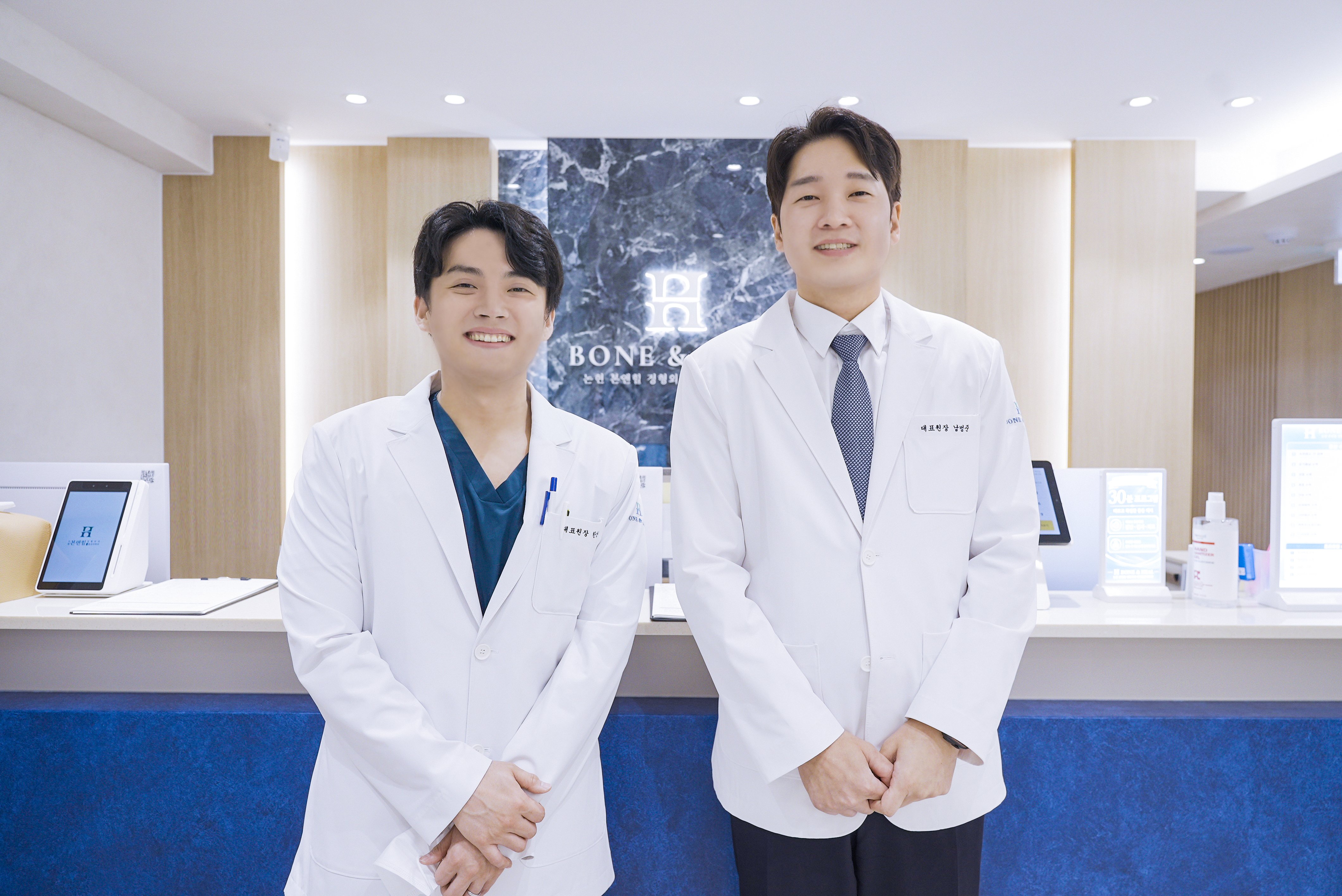
A sound treatment decision depends on more than the name of a procedure. It involves the knee diagnosis, the intended benefit, the evidence for that particular use and the individual’s health history. At Bone & Heal Clinic, an orthopedics and anesthesiology clinic, a consultation provides an opportunity to discuss knee symptoms and appropriate next steps. Ask about the options relevant to your condition rather than assuming that every regenerative treatment is suitable for every patient.
Questions About Evidence and Expected Outcomes
When a procedure is proposed, ask what evidence supports its use for your specific diagnosis. A study reporting an improvement in pain does not necessarily demonstrate that cartilage has regrown. Likewise, an improvement observed in one group does not ensure the same result for an individual. Ask how the medical staff would assess progress, whether through symptoms, movement, everyday activities or another measure relevant to your care.
It is useful to set an outcome that relates to your own life. That might mean walking more comfortably, returning to an activity or managing symptoms during work. The attending doctor can explain which goals are reasonable to discuss in light of your condition. Changes may take time depending on individual condition, and some people may not experience the hoped-for improvement. Ask when progress would be reviewed and what the next step would be if symptoms remain. The quality and amount of evidence can differ between treatments and knee conditions, so request an explanation that applies to the proposed procedure rather than regenerative medicine in general. A careful conversation should make clear both what is known and what remains uncertain.
Evidence should be considered for the specific treatment and the specific knee condition. A meaningful goal is one you can assess in daily life, alongside a clear plan for reviewing progress.
Comparing Approaches to Care
Regenerative procedures are not the only approaches that may be considered for knee symptoms. Depending on the diagnosis, a care plan may also involve activity adjustments, exercise-based rehabilitation, medication or other interventions. The attending doctor can explain which options fit the circumstances and whether they are intended to be used alone or as part of a broader plan. The right comparison depends on the problem being treated.
Ask how each option addresses the symptoms you want to improve and what it requires from you. An exercise plan, for example, may involve changes to routine and gradual adjustments in activity. A procedure may involve preparation, aftercare and a review of progress. Neither should be judged only by its label or by another person’s experience. Discuss the expected benefits and limitations of each option in relation to your diagnosis. If you have concerns about medication, an existing health condition or your ability to follow an aftercare plan, raise them before deciding. This gives the medical staff context for discussing options and helps you understand what participation in treatment would involve.
Points to Consider Before Treatment
Any proposed procedure deserves a discussion of its potential risks, expected recovery and alternatives. For an injection, questions may include how the procedure is performed, what temporary symptoms might occur and which signs should prompt a call for medical advice. Infection and bleeding are general procedural risks, although the relevance of each risk depends on the treatment and the individual. Ask the attending doctor how your medical history affects that assessment.
Tell the medical staff about medicines and supplements you take, allergies, prior reactions to treatment and any current illness. Do not stop prescribed medication on your own in preparation for a procedure. Instead, ask whether any changes are necessary and who should advise you. If a treatment is recommended, request clear instructions for activity, follow-up and when to seek help afterward.
| Discussion point | Question to ask |
|---|---|
| Diagnosis | What is causing my knee symptoms? |
| Treatment goal | Is the aim to reduce pain, improve function or address another concern? |
| Evidence | What is known about this approach for my condition? |
| Alternatives | What other options should I consider? |
| Follow-up | How will progress be assessed? |
The questions above can help you compare options without relying on promotional language. If a term is unfamiliar, ask for a plain-English explanation of what it means and how it relates to your knee. You can also ask for time to consider the information before deciding. Understanding the purpose of a proposed treatment is as important as understanding what happens during it.
Preparing for a Gangnam Regenerative Knee Treatment Consultation
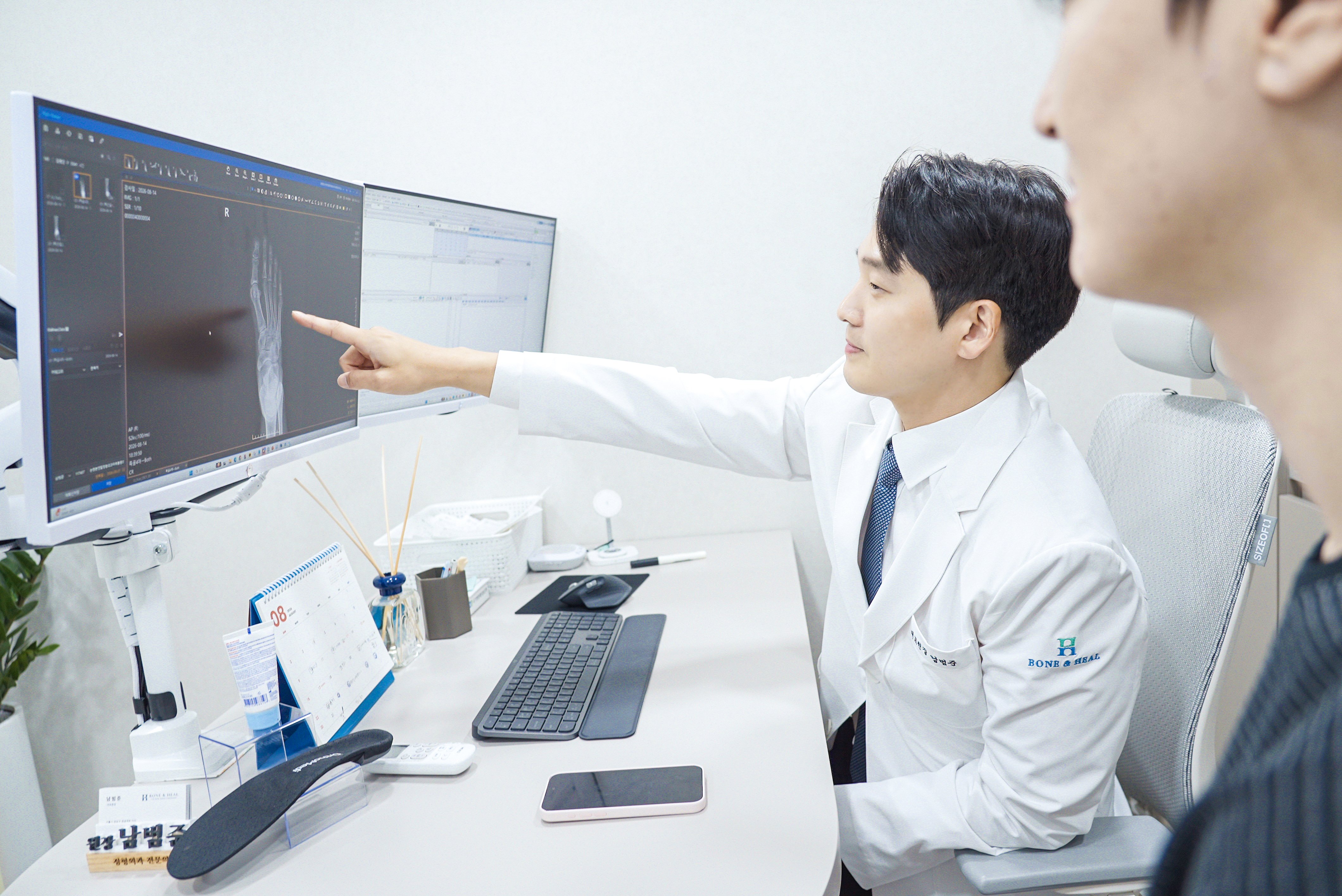
A productive consultation starts with a clear account of your symptoms and your goals. Bone & Heal Clinic provides an orthopedics and anesthesiology setting where you can discuss knee concerns with the medical staff. Preparation does not require you to know which treatment you need. Instead, focus on describing the problem, your health history and the questions you want answered before making a decision about care.
Information to Bring
Consider writing down when the knee problem began, whether it followed an injury and which movements trigger discomfort. Note any swelling, stiffness, instability or difficulty with everyday activities. A list of current medicines and supplements is also helpful. If you have records of previous knee evaluations, imaging or treatments, bring the information you have available so it can be considered alongside your current symptoms.
It can be difficult to remember every detail during an appointment, especially if symptoms have changed over time. A brief timeline can help: describe the first noticeable problem, any major changes and the current pattern. If you have tried rest, exercise adjustments, medication or other care, note the response. Be specific about your priorities, too. Someone who wants to walk comfortably through the workday may have different concerns from someone hoping to return to sport. There is no need to arrive with a preferred procedure. The medical staff can use the information you provide to discuss the concern and explain the next steps. If you are unsure whether a past event is relevant, mention it rather than deciding in advance to leave it out.
A concise symptom history helps keep the consultation focused on your knee and your daily activities. Bring your questions as well as any relevant records, so you can make an informed decision about next steps.
Discussing Cost and Practical Arrangements
Before agreeing to care, ask for an explanation of the expected cost and what it covers. Depending on the proposed plan, the discussion may include the consultation, any assessment, treatment and follow-up. Exact pricing should be discussed with the clinic before treatment. You can also ask whether there are preparations to complete beforehand and whether your normal activities need to be adjusted afterward.
Practical details are part of informed decision-making. Ask how the appointment is structured, what information you should bring and whether a proposed procedure would require a separate visit. If aftercare is relevant, clarify who to contact with questions and what changes in symptoms should prompt further attention. When considering your schedule, avoid assuming that all knee procedures have the same recovery process: instructions depend on the treatment and your circumstances. It is equally reasonable to ask whether you can review the proposed plan before proceeding. A clear explanation of the goal, cost and follow-up helps you decide whether the next step fits your needs. The medical staff can address questions specific to the care being considered.
Planning for Follow-Up
Follow-up is an opportunity to review whether symptoms and function are changing in a useful way. Before leaving an appointment, ask what you should monitor and when to seek advice if your condition changes. Depending on the plan, the attending doctor may suggest paying attention to pain during particular activities, swelling or ease of movement. Keep the measures practical and relevant to the goals you discussed.
If a treatment does not produce the improvement you hoped for, a review can help clarify what to consider next. This might involve reassessing the symptoms or discussing other approaches appropriate to the diagnosis. Avoid interpreting a change in pain as proof that tissue has regenerated; symptom relief and structural repair are different outcomes. Ask the medical staff to explain what your progress means in the context of your condition.
Continue to communicate any new symptoms or concerns rather than waiting for a planned review if they are significant. A clear care plan should explain when routine follow-up is appropriate and when more immediate medical attention is needed. By keeping track of the activities that matter to you and sharing changes with the attending doctor, you can make future discussions more specific and useful.
Frequently Asked Questions
Q.What kind of clinic is Bone & Heal Clinic?
A.Bone & Heal Clinic is an orthopedics and anesthesiology clinic.
Q.Who might consider a consultation at Bone & Heal Clinic?
A.People with knee pain, stiffness, swelling or difficulty with everyday movement can discuss their concerns with the medical staff.
Q.How should I discuss regenerative care for my knee?
A.Ask about your diagnosis, the goal of any proposed treatment and the evidence for its use in your condition. You can also discuss alternatives with the attending doctor.
Q.What should I prepare before a knee consultation?
A.Note when your symptoms began, what makes them better or worse, and any previous knee treatment. Bring details of your medicines and any relevant records you have.
Q.Where is Bone & Heal Clinic, and how can I contact it?
A.Bone & Heal Clinic is at 143-5, Nonhyeon-dong, Gangnam-gu, Seoul, Republic of Korea. You can call 02-6673-7582.
Clinic Information
| Clinic | Bone & Heal Clinic |
|---|---|
| Specialty | orthopedics,anesthesiology |
| Address | 143-5, Nonhyeon-dong, Gangnam-gu, Seoul, Republic of Korea |
| Phone | 02-6673-7582 |
| Website | https://bonenheal.co.kr |
| Specialist | Specialist care |
 Bone & Heal Clinic