

Seoul knee osteoarthritis treatment: Understanding Your Symptoms
Knee osteoarthritis affects the joint and can make activities such as walking, climbing stairs, or rising from a chair uncomfortable. Symptoms and their effect on daily life differ from person to person. A useful treatment plan begins with understanding how the knee feels, how it moves, and what activities have become difficult. Bone & Heal Clinic provides care in orthopedics and anesthesiology, with an emphasis in this guide on questions to consider when seeking assessment for knee pain.
How Knee Osteoarthritis Affects Movement
Osteoarthritis involves changes in the tissues of a joint, including the cartilage that helps cushion movement. The knee can feel painful or stiff, particularly during or after activity. Some people also notice swelling or a sensation of grinding. These symptoms do not establish a diagnosis on their own: knee pain can have other causes, and an examination helps clarify what may be contributing to the problem. The effect on everyday movement is just as important to discuss as the discomfort itself.
Pay attention to the activities that bring on symptoms and whether discomfort settles with rest. For example, pain that appears while descending stairs may affect daily routines differently from stiffness after sitting. You can also note whether the knee feels unstable or whether swelling appears after activity. This information gives the attending doctor a clearer picture of how the problem affects you. Describe changes in function as well as changes in pain. Difficulty walking a usual route, sleeping comfortably, or getting in and out of a chair can help guide the conversation. It is also useful to mention previous knee injuries and any measures you have already tried, including exercise or medication.
Knee osteoarthritis is assessed in the context of both symptoms and daily function. A clear account of what you can and cannot comfortably do helps focus the consultation.
When to Seek an Assessment
Consider an assessment if knee pain or stiffness persists, interferes with daily activities, or keeps returning. An appointment can also be useful when you are unsure how to exercise comfortably or when an approach you have tried is not helping. The aim is not simply to name the condition; it is to understand the likely cause of symptoms and discuss a plan that fits your needs. Persistent knee pain should not automatically be assumed to be osteoarthritis.
Some changes call for more urgent attention. Seek prompt medical care if your knee becomes very swollen and hot, particularly if you also have a fever, or if you cannot bear weight after an injury. A sudden inability to move the knee or a visibly deformed joint also warrants urgent assessment. These signs can occur with conditions that need a different approach from routine osteoarthritis care. For less urgent symptoms, bringing a concise record of when the pain started and how it has changed can make an appointment more productive. Tell the attending doctor about any recent injury, even if the pain developed gradually afterward. The doctor can consider the full picture before recommending next steps.
Preparing for a Knee Consultation
Before a visit, make a short list of your main concerns. Include where the knee hurts, when stiffness occurs, and which activities are most affected. If symptoms change from day to day, describe the pattern rather than focusing only on how the knee feels at the appointment. It is also helpful to note whether you experience swelling, instability, or difficulty bending or straightening the joint. These details can help the medical staff understand the problem in practical terms.
Bring a list of medicines and supplements you take, including any pain relief you use without a prescription. If you have relevant medical records or previous imaging results, take them along if available. You can also write down what you hope to achieve, such as walking more comfortably or returning to an activity. Agreeing on a practical goal makes it easier to discuss which options are appropriate for you.
| What to note | Why it matters |
|---|---|
| Activities that trigger pain | Shows how symptoms affect daily movement. |
| Swelling or stiffness | Helps describe the pattern of symptoms. |
| Previous injuries and treatments | Gives context for the knee problem and past response. |
| Current medicines | Supports a discussion of pain-relief options and safety. |
Questions are worth preparing too. Ask what might be causing the symptoms, whether further assessment is needed, and what you can do safely in the meantime. If a treatment is discussed, ask what it is intended to address and how progress will be reviewed. You do not need to arrive with a preferred diagnosis or a complete medical history from memory. A few specific examples of the challenges you face can provide a useful starting point for the conversation.
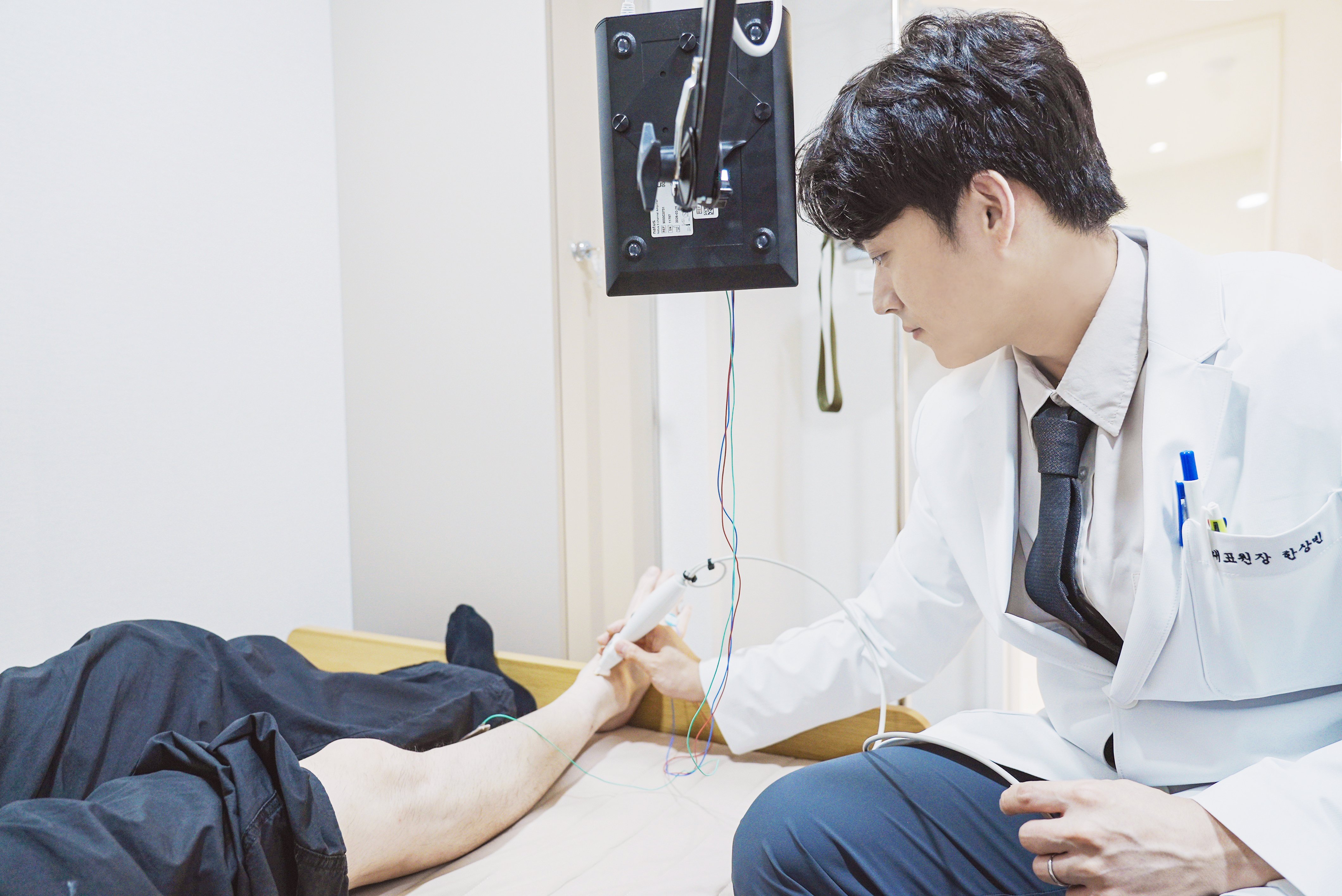
Seoul knee osteoarthritis treatment: Assessment and Care Options
Management depends on the cause of the pain, the severity of symptoms, and the effect on daily life. An attending doctor may ask about your medical history and examine the knee, including its movement and areas of tenderness. Imaging is sometimes useful, but an image alone does not describe how much a person hurts or what activities are difficult. Assessment and treatment decisions should take symptoms, examination findings, and individual circumstances into account.
What an Assessment May Involve
The consultation commonly starts with questions about the location and pattern of pain, stiffness, swelling, and changes in mobility. The attending doctor may examine how the knee bends and straightens and look for signs that suggest another cause of discomfort. Information about previous injuries, other health conditions, and current medicines can also be relevant. Depending on the findings, the doctor may discuss whether imaging or another assessment would help clarify the situation.
If an imaging test is recommended, ask what question it is intended to answer and how the result might affect the plan. Joint changes visible on an image do not always correspond closely to the amount of pain a person experiences. For that reason, symptoms and physical function remain important parts of the discussion. An assessment can also help distinguish a longer-term pattern of discomfort from a recent injury or another problem that needs different care. Be specific about what concerns you most: for one person it may be climbing stairs, while for another it may be disrupted sleep or uncertainty about exercise. The attending doctor can use those priorities to help frame the next steps and explain why a particular approach is being considered.
A knee assessment is more than an image or a diagnosis. It connects the findings with your symptoms, health history, and goals so the next steps are meaningful to you.
Common Approaches to Managing Symptoms
Exercise is a core part of knee osteoarthritis management for many people. An appropriate program may include strengthening the muscles around the knee and activities that support mobility and fitness. The starting point should reflect your current ability and any other health concerns. A clinician can help you consider how to begin or adapt activity. Some temporary discomfort during activity does not necessarily mean the joint is being harmed, but persistent or worsening pain is a reason to review the plan.
Other options can include weight management when appropriate, pain-relief medicines, and support from a physical therapist. Topical or oral anti-inflammatory medicines may be considered for some people, but they are not suitable for everyone. Discuss existing health conditions and medicines with the attending doctor before starting a new pain reliever. Depending on the situation, a doctor may also discuss injections or surgery; these decisions require an individual assessment of potential benefits and risks. These are general management options, not a statement that every option is available at Bone & Heal Clinic. Ask which approach fits your symptoms and how it would be monitored. Changes may take time, and the response to a plan depends on individual circumstances.
Points to Consider Before Treatment
Every treatment decision involves practical questions. Ask what a proposed approach is intended to do, what alternatives are reasonable, and what risks matter in your situation. For medicines, those questions can include interactions and other health conditions. For a procedure, ask about preparation, recovery, and signs that should prompt a follow-up call. Understanding the plan helps you make an informed decision rather than assuming that one option suits every knee problem.
It is also reasonable to discuss how progress will be assessed. Pain is one measure, but being able to walk, sleep, or complete daily tasks more comfortably may matter just as much. If a plan is not helping, describe what has changed and what remains difficult. The attending doctor can review whether the diagnosis or treatment approach needs another look. Avoid stopping a prescribed medicine or changing its use without discussing the change with the prescribing clinician.
At Bone & Heal Clinic, you can discuss knee concerns in the context of orthopedics and anesthesiology. Bring your questions about the proposed care plan, including how it relates to your health and daily activities. If a recommendation is unfamiliar, ask for a plain-language explanation before deciding. The goal of the consultation is an informed plan tailored to your circumstances, not a predetermined treatment.

Seoul knee osteoarthritis treatment: Planning for Daily Life
Living with knee symptoms often involves balancing movement with recovery and adjusting routines when necessary. A management plan should be realistic enough to fit into everyday life, whether your priority is working comfortably, walking, or taking part in leisure activities. Start with the guidance you receive after assessment and pay attention to how your knee responds. Progress may not be steady every day, so it helps to look at patterns over time rather than judging the plan by a single difficult day.
Making Movement Manageable
Regular movement can support strength and function, but the type and amount of activity should suit your condition. If a familiar activity consistently aggravates your knee, consider discussing an adjustment rather than abandoning movement altogether. You might need to change the pace, duration, or way you perform an activity. Strengthening exercises can also be adapted to your starting ability. Ask the attending doctor or a physical therapist for guidance if you are uncertain which movements are appropriate.
Keep track of how the knee feels during activity and afterward. A brief note about the activity, symptoms, and recovery can help you identify patterns to discuss at a follow-up appointment. Try to distinguish a temporary response to an unfamiliar movement from pain or swelling that continues to worsen. If a plan repeatedly leaves you unable to carry out normal tasks, it may need adjustment. Your goals can change, too: an initial aim might be moving around the home more comfortably, followed by a gradual return to a valued activity. Useful progress is measured against your own goals and circumstances. The medical staff can help you consider whether your current approach remains appropriate as your needs change.
A sustainable plan builds movement around your current abilities and the activities that matter to you. Review persistent increases in pain or swelling rather than trying to push through them without guidance.
Reviewing Progress and Updating the Plan
A follow-up discussion gives you an opportunity to explain what has improved and what still limits you. Consider whether walking, stairs, sleep, or other priorities have changed since the first assessment. If you have tried a medicine or exercise plan, describe how consistently you used it and any difficulties you encountered. This information can help the attending doctor decide whether to continue, adjust, or reconsider the approach.
It is useful to be candid about practical barriers. An exercise may be difficult to fit into your routine, or a medicine may cause an unwanted effect. Mention these issues rather than assuming you have to manage them alone. Also report new symptoms, particularly a significant change in swelling, movement, or ability to bear weight. The purpose of reviewing care is to connect the plan with your actual experience and current health. If another option is proposed, ask how it differs from what you have already tried and what follow-up would involve. A plan can be revisited as symptoms and priorities change.
Getting Ready to Contact the Clinic
When contacting Bone & Heal Clinic, briefly explain that you are seeking an assessment for knee pain or osteoarthritis concerns. Mention any mobility needs that may affect your visit, and have your questions about the appointment ready. If you have prior records, ask whether bringing them would be useful. A concise description of your symptoms can help you prepare for the visit without needing to decide in advance which treatment you require.
For the consultation itself, consider clothing that allows the knee to be examined comfortably. Bring your medicine list and relevant records if available, along with a note of your main questions. If you have symptoms that require urgent care, do not wait for a routine appointment. The appropriate next step depends on the nature and severity of the symptoms, not simply on whether osteoarthritis is suspected.
Bone & Heal Clinic is located at 143-5, Nonhyeon-dong, Gangnam-gu, Seoul, Republic of Korea. For appointment inquiries, call 02-6673-7582. During your visit, discuss your symptoms, goals, and concerns with the medical staff so that the assessment can address what matters most to you. A clear conversation is a useful starting point for deciding how to manage knee pain and when to review the plan.
Frequently Asked Questions
Q.What kind of care does Bone & Heal Clinic provide?
A.Bone & Heal Clinic provides care in orthopedics and anesthesiology.
Q.When should I seek care for knee pain?
A.Consider an assessment if knee pain or stiffness persists, returns, or interferes with daily activities. Seek prompt medical care for a hot, very swollen knee with fever or an inability to bear weight after an injury.
Q.What can I discuss during a knee consultation?
A.You can discuss your symptoms, their effect on daily activities, and appropriate options for assessment and management. The attending doctor can consider your health history and individual circumstances.
Q.What should I bring to an appointment?
A.Bring a list of your medicines and supplements, relevant records if available, and notes about your symptoms. Writing down your questions and goals can also help guide the consultation.
Q.How can I contact Bone & Heal Clinic?
A.Call the clinic using the number above to inquire about an appointment.
Clinic Information
| Clinic | Bone & Heal Clinic |
|---|---|
| Specialty | orthopedics,anesthesiology |
| Address | 143-5, Nonhyeon-dong, Gangnam-gu, Seoul, Republic of Korea |
| Phone | 02-6673-7582 |
| Website | https://bonenheal.co.kr |
| Specialist | Specialist care |
 Bone & Heal Clinic