
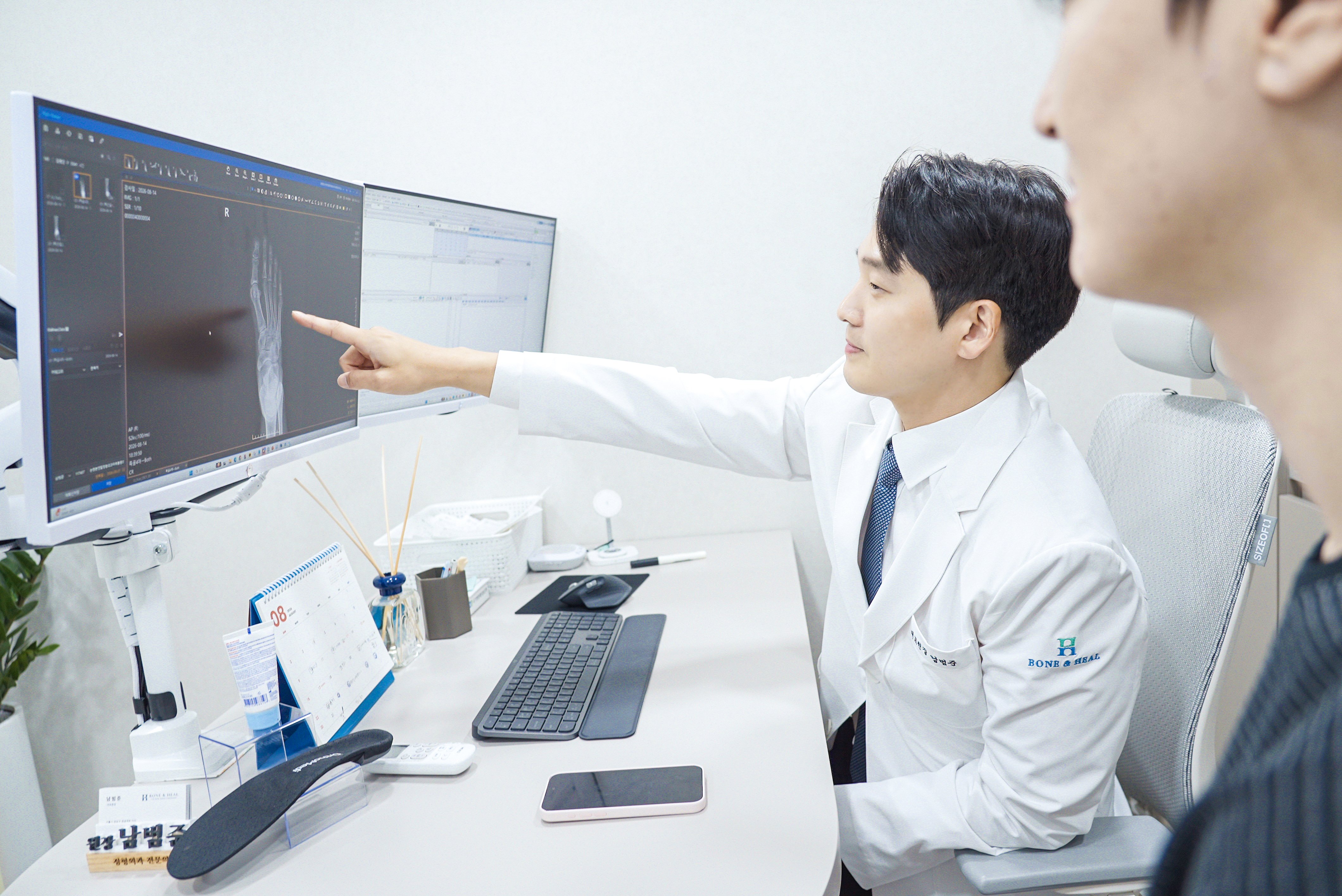
Seoul balloon neuroplasty treatment: Understanding the procedure
Balloon neuroplasty is a catheter-based procedure used in the management of some spinal conditions. It is generally considered when symptoms suggest irritation or compression of a spinal nerve, although a diagnosis and treatment decision require an individual assessment. The procedure is not appropriate for every cause of back or leg pain. Understanding the reason for symptoms is more useful than choosing a treatment by name alone. Bone & Heal Clinic provides care in orthopedics and anesthesiology, fields relevant to the assessment of musculoskeletal and pain-related concerns.
How balloon neuroplasty works
During balloon neuroplasty, a doctor guides a thin catheter toward an area near the affected spinal nerve. A small balloon at the catheter tip can be inflated to help open a narrowed passage. Imaging guidance is generally used to help the doctor follow the catheter’s position. The aim is to address a physical restriction around the nerve; the procedure does not mean that every source of pain has been identified or resolved.
The spine contains passages through which nerves travel. When one of these passages narrows, surrounding structures can irritate or press on a nerve. Depending on the location, a person may experience back pain as well as pain, tingling, or numbness extending into a leg. Balloon neuroplasty is one approach that a doctor may discuss for selected patients. The location and cause of narrowing matter, as does the relationship between imaging findings and symptoms. A scan can show changes in the spine, but those changes do not always explain a person’s discomfort. A clinical assessment helps put the findings in context.
Balloon neuroplasty uses a catheter and balloon to address narrowing near a spinal nerve. The key question is whether the identified area of narrowing matches the patient’s symptoms and examination findings.
Symptoms that warrant an assessment
Back pain can arise from muscles, joints, discs, or nerves. Pain that travels from the lower back into the buttock or leg, especially when accompanied by tingling or numbness, is worth discussing with a doctor. Some people notice that symptoms change when walking, standing, or sitting. Describing those patterns can help the medical staff assess whether a spinal nerve may be involved.
It is also useful to explain when symptoms began, whether they are changing, and which activities are affected. A doctor may ask about previous injuries, existing health conditions, medicines, and treatments already tried. The assessment may include a physical examination and a review of relevant imaging. Seek urgent medical attention for new loss of bladder or bowel control, numbness around the groin or saddle area, or rapidly worsening leg weakness. These symptoms need prompt evaluation rather than a routine discussion about a procedure. Persistent or worsening pain without those warning signs should also be assessed by a medical professional.
Why the diagnosis comes first
Not all spinal narrowing causes symptoms, and not all leg pain comes from the spine. A careful assessment considers the location of pain, changes in sensation or strength, and the findings of any examination. This helps the attending doctor distinguish a possible nerve-related problem from other causes and decide what further evaluation may be useful.
Before discussing balloon neuroplasty, ask what condition is suspected and how it relates to your symptoms. It is reasonable to ask whether an imaging finding is likely to be clinically relevant, what other care options could be considered, and what the proposed procedure is intended to address. A clear explanation can help you weigh the decision without assuming that a procedure is necessary.
| Information to discuss | Why it matters |
|---|---|
| Location and pattern of pain | Helps identify whether symptoms may follow a nerve pathway |
| Numbness or weakness | Helps the doctor assess possible nerve involvement |
| Previous treatment | Helps guide the discussion of further care |
| Relevant imaging | Can help the doctor evaluate structural changes alongside symptoms |
Bring relevant records or imaging reports if you have them. You can also make a short note of questions before your visit, particularly if pain is affecting work, sleep, or mobility. These details give the medical staff a clearer picture of your concerns and help focus the consultation on the decisions that matter to you.
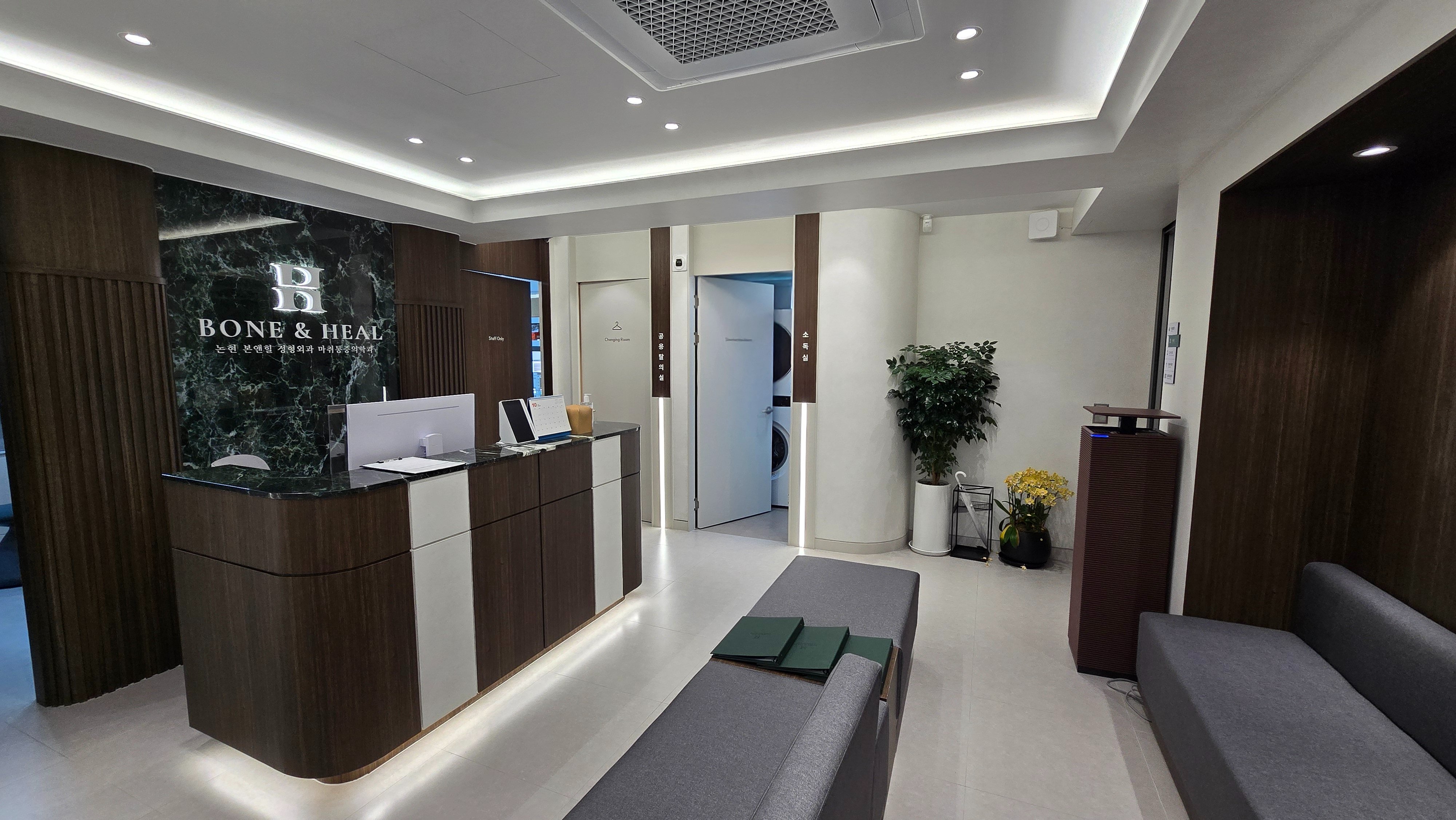
Seoul balloon neuroplasty treatment: Planning care
A treatment plan begins with the patient’s condition, not with a predetermined procedure. The attending doctor considers the likely source of symptoms, examination findings, previous care, and any health factors that could affect treatment. Balloon neuroplasty is one option to discuss, not an automatic next step. Depending on the assessment, the doctor may recommend further evaluation or a different approach. Ask how each proposed option relates to your specific symptoms and what it is intended to accomplish.
What to discuss during a consultation
Start by explaining what bothers you most. For one person, the main concern may be pain while walking; for another, it may be numbness or difficulty sleeping. Explain whether symptoms are constant or occur with certain movements, and mention any change in strength. This information helps the doctor understand the practical effect of the condition as well as its clinical features.
Give the medical staff a complete picture of your health, including medicines, allergies, and any previous spinal procedures. Ask whether the suspected diagnosis explains all your symptoms or only some of them. If a procedure is being considered, request an explanation of its purpose, potential benefits, risks, and alternatives. You can also ask what the procedure would involve and what follow-up would be recommended. A useful consultation leaves room for questions: you should understand the proposed plan well enough to make an informed decision, including whether you want more time to consider it.
A sound treatment discussion connects symptoms and examination findings to a specific goal. Ask why a procedure is being considered for your condition and what alternatives are available.
Potential benefits and realistic expectations
For a patient with symptoms linked to a narrowed passage around a spinal nerve, balloon neuroplasty may be considered as a way to address that narrowing without an open operation. The intended benefit is an improvement in nerve-related symptoms, but the response depends on the underlying condition and the individual. A doctor can explain how the proposed treatment relates to the findings in your case.
It helps to define what improvement would mean in practical terms. You might want to walk more comfortably, return to a daily activity, or better manage pain that travels into a leg. Discuss these goals with the attending doctor and ask how progress would be assessed. No procedure can promise a particular result. Changes may take time depending on individual condition, and symptoms can have more than one contributing cause. A treatment plan may therefore involve continued assessment and other forms of care rather than relying on a procedure alone.
Points to consider before treatment
As with other procedures involving a catheter near the spine, balloon neuroplasty carries risks. These can include bleeding, infection, nerve injury, or a tear in the membrane surrounding the spinal nerves. The attending doctor can explain the risks relevant to your health and the planned approach. Tell the medical staff about allergies and medicines, particularly any medicine that affects blood clotting.
Ask for clear instructions before making changes to prescribed medication. If a procedure is planned, follow the medical staff’s guidance on preparation and what to do afterward. Before agreeing to treatment, make sure you understand the proposed approach, the possible risks, and when to contact a medical professional about new or worsening symptoms.
Cost is another practical part of the decision. Ask for an explanation of the expected charges and what the quoted amount covers, including assessment and follow-up if applicable. Understanding both the clinical plan and the financial arrangements can help you decide whether to proceed.
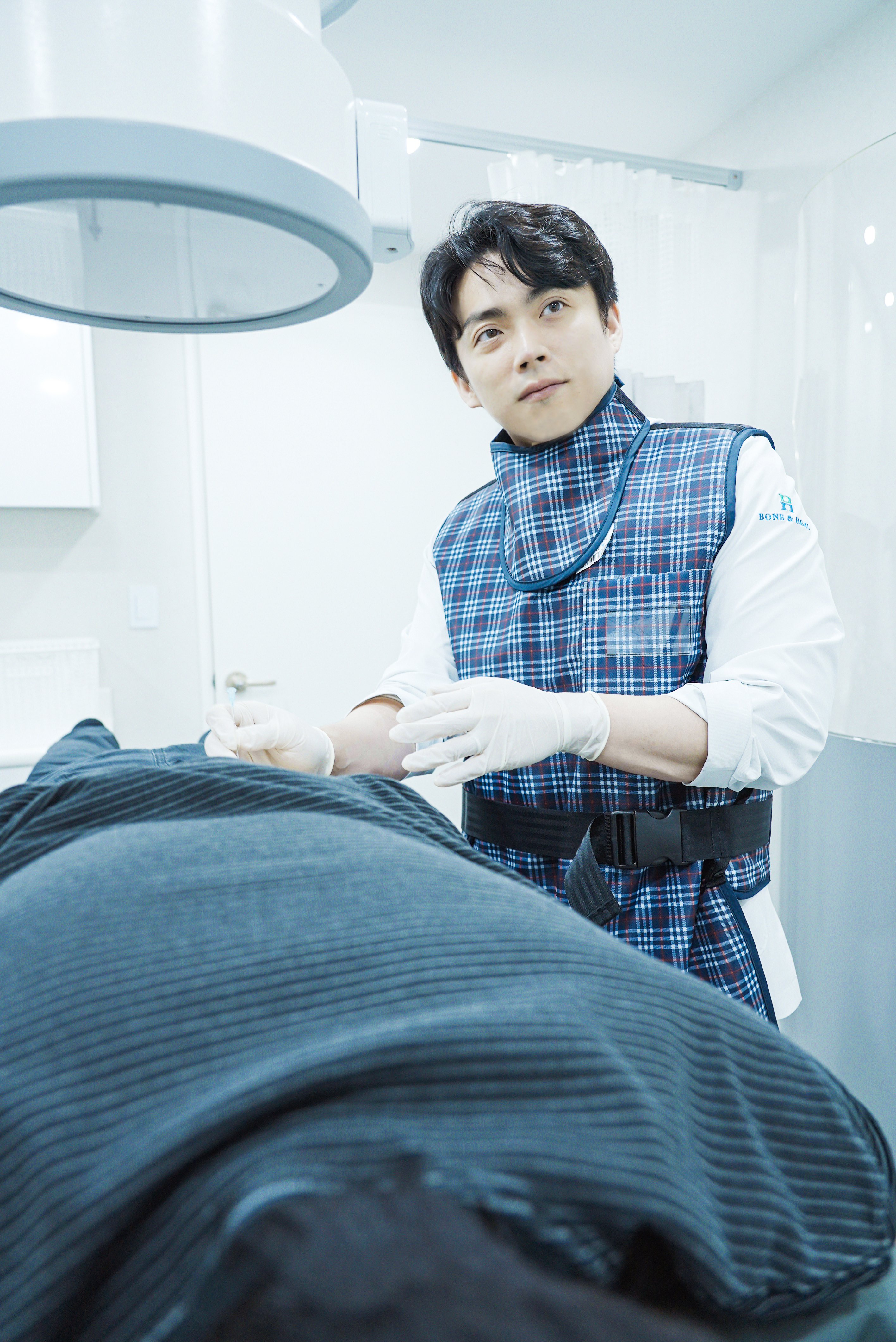
Seoul balloon neuroplasty treatment: Preparing for follow-up
Care does not end with a discussion of the procedure. A follow-up plan helps the attending doctor assess symptoms over time and determine whether further care is needed. Before leaving an appointment, ask what changes to monitor, what activities to discuss, and how to seek help if a concern arises. Specific advice should reflect your diagnosis and treatment plan. General information is useful for preparation, but it cannot replace instructions from the medical staff responsible for your care.
Preparing for an appointment
Consider bringing a list of current medicines and any relevant test results. Note where you feel pain, whether it spreads, and whether you have noticed tingling, numbness, or weakness. If symptoms change with walking or standing, describe that pattern. These details can help the doctor understand your situation without relying on a single description such as “back pain.”
It can also help to write down what you have already tried and whether it affected your symptoms. Include questions about the suspected diagnosis, the purpose of any recommended procedure, and the next steps if symptoms persist. If you have concerns about cost, preparation, or recovery, raise them during the discussion. An appointment is an opportunity to understand the reasoning behind a recommendation, not simply to receive a treatment name. If anything is unclear, ask the medical staff to explain it in everyday language.
Preparation and follow-up are part of an informed treatment decision. Bring relevant health information, ask about the plan, and make sure you know when to seek further medical attention.
Monitoring symptoms afterward
If you undergo a procedure, follow the instructions given by the attending doctor. These should cover activities, any care needed at the procedure site, and whom to contact with concerns. Keep track of changes in pain, sensation, and strength so that you can describe them accurately at follow-up. Improvement and recovery can differ from person to person.
Do not assume that a new symptom is an expected part of recovery. Contact the medical staff for guidance if you are concerned about worsening pain or another change after treatment. New loss of bladder or bowel control, numbness around the groin or saddle area, or rapidly worsening leg weakness calls for urgent medical attention. At follow-up, discuss whether your symptoms have changed in the ways you hoped and whether the care plan needs review. This conversation gives the doctor an opportunity to consider the whole clinical picture rather than judging progress by pain alone.
Choosing the next step
When comparing care options, focus on the diagnosis, the goal of treatment, and the information needed to make a decision. Ask whether the proposed approach addresses the symptoms that matter most to you and how its potential benefits compare with its risks. It is also reasonable to ask what monitoring or further assessment would involve.
Bone & Heal Clinic provides care in orthopedics and anesthesiology. If you are considering balloon neuroplasty, contact our clinic to discuss your concerns and ask whether an assessment and the procedure are available. Bring your questions to the appointment so the medical staff can explain the appropriate next steps for your situation.
A clear plan should leave you knowing what has been assessed, what the doctor recommends, and what to do if symptoms change. Whether or not a procedure is appropriate, that understanding is an important part of making a decision about spinal care.
Frequently Asked Questions
Q.What kind of care does Bone & Heal Clinic provide?
A.Bone & Heal Clinic provides care in orthopedics and anesthesiology.
Q.Who might want an assessment for back or leg symptoms?
A.People with back pain that travels into a leg, or symptoms such as tingling or numbness, can discuss those concerns with the medical staff. New bladder or bowel control problems, saddle-area numbness, or rapidly worsening leg weakness require urgent medical attention.
Q.How can I find out whether balloon neuroplasty is appropriate for me?
A.An attending doctor can assess your symptoms and relevant findings before discussing treatment options. Contact Bone & Heal Clinic to ask whether the procedure is available.
Q.What should I prepare for an appointment?
A.Bring a list of medicines and any relevant imaging reports or other records. Note where your symptoms occur and how they affect your daily activities.
Q.How can I contact Bone & Heal Clinic?
A.Bone & Heal Clinic is at 143-5, Nonhyeon-dong, Gangnam-gu, Seoul, Republic of Korea. Call 02-6673-7582 to ask about an appointment.
Clinic Information
| Clinic | Bone & Heal Clinic |
|---|---|
| Specialty | orthopedics,anesthesiology |
| Address | 143-5, Nonhyeon-dong, Gangnam-gu, Seoul, Republic of Korea |
| Phone | 02-6673-7582 |
| Website | https://bonenheal.co.kr |
| Specialist | Specialist care |
 Bone & Heal Clinic