
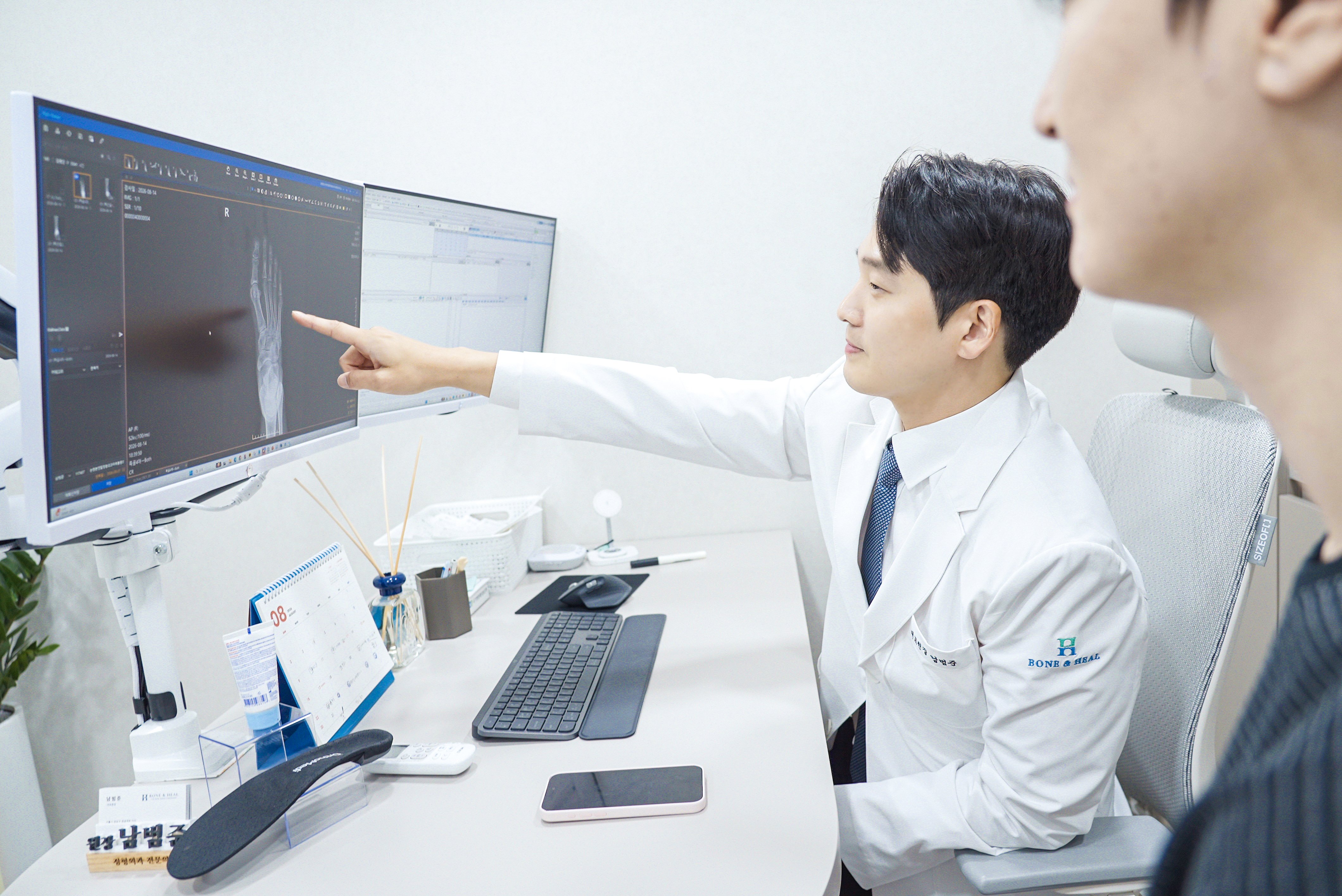
Gangnam non-surgical knee treatment: Understanding knee pain
Knee pain can develop after an injury or gradually during everyday activities. Its location, timing, and effect on movement all help guide an assessment. Some people notice discomfort when climbing stairs, while others experience stiffness after sitting or pain during exercise. Non-surgical treatment is not a single procedure: it is an approach that matches care to the cause of the symptoms and the person’s goals. Bone & Heal Clinic provides care in orthopedics and anesthesiology.
Why an assessment matters
Knee discomfort can have different causes, including irritation related to activity, joint conditions, or injury to structures that support the knee. Similar symptoms do not always have the same explanation. An assessment gives the attending doctor an opportunity to ask about the onset of pain, examine movement, and consider whether further evaluation is appropriate. The purpose is to understand what may be contributing to the problem before deciding which treatment options warrant discussion.
Before an appointment, think about when the pain began and whether it followed a particular movement or injury. Note where it is located, what makes it better or worse, and whether swelling, locking, or a feeling of instability occurs. It is useful to describe how the symptoms affect work, sleep, walking, or exercise. Specific examples can make the conversation more useful than describing pain alone. Bring a list of medications and relevant medical conditions, along with any previous test results you already have. The attending doctor can use this information to determine what to examine and whether additional testing would help clarify the cause.
A useful knee assessment starts with the pattern of symptoms and their effect on daily life. Those details help guide a discussion about care rather than assuming that every painful knee needs the same treatment.
Common patterns to notice
Pain that appears during a particular activity may call for a different discussion from discomfort that persists at rest. Stiffness, swelling, or a sensation that the knee is catching can also provide useful context. Pay attention to whether symptoms change after walking, prolonged sitting, exercise, or a change in routine. These observations do not establish a diagnosis, but they can help the medical staff understand the problem and decide what to assess.
It is also helpful to distinguish between pain and a change in function. For example, you might be able to walk comfortably on level ground but struggle with stairs, or you might avoid bending the knee because it feels unreliable. Describe any activities you have stopped and any changes you have made to manage symptoms. If you have tried rest, exercise, or medication, note what happened afterward. The goal is not to arrive with a diagnosis, but to give the attending doctor a clear picture of the knee’s behavior. Changes in swelling, movement, or stability are worth reporting, particularly when they are new or worsening.
When to seek prompt medical attention
Some knee symptoms need prompt attention rather than a routine discussion about conservative care. Seek urgent medical assessment if a knee becomes hot and swollen with fever, if a serious injury causes deformity, or if you cannot bear weight after an injury. Severe or rapidly worsening symptoms also warrant prompt evaluation. These signs do not identify a specific diagnosis on their own, but delaying assessment can make it harder to address an urgent problem.
For symptoms that are less urgent, arrange an assessment if pain persists, interferes with daily activities, or repeatedly returns. A knee that locks or feels as though it may give way should also be discussed with a medical professional. Until you have guidance, avoid movements that clearly worsen the problem. If symptoms change substantially while you are waiting for an appointment, seek advice rather than assuming that the original plan still applies.
A practical description of symptoms includes what happened before the pain started, what the knee can and cannot do, and whether the situation is improving or worsening. There is no need to test the knee repeatedly by forcing a painful movement. Instead, record the circumstances in which symptoms occur naturally. This can help you explain the problem without adding unnecessary strain before the assessment.

Gangnam non-surgical knee treatment: Options to discuss
Non-surgical care can include more than one approach. Depending on the diagnosis, an attending doctor may discuss adjustments to activity, a structured exercise plan, medication, or other interventions. The appropriate combination depends on the cause of pain, medical history, and individual circumstances. The starting point is a diagnosis and a shared treatment plan, not an assumption that every option is suitable for every knee problem. Ask which approach is recommended and what it is intended to address.
Activity changes and exercise
Changing how an activity is performed can help manage strain while the knee is being assessed. This might mean temporarily reducing movements that consistently aggravate symptoms or adapting a routine to remain active more comfortably. Exercise-based care may also be discussed to support strength and movement. The appropriate exercises depend on the diagnosis and should be chosen with guidance from a qualified medical professional rather than copied from a general routine.
A useful plan takes into account what you need your knee to do in everyday life. Someone whose symptoms occur on stairs may have different priorities from someone concerned about returning to exercise. Ask how to begin, which movements to avoid for now, and how to judge whether an activity is tolerable. Exercise should not require pushing through severe pain or ignoring new swelling or instability. If symptoms worsen, stop the aggravating activity and seek advice. Progress is individual, and changes may take time depending on your condition. The medical staff can help you understand how activity adjustments fit into the wider treatment plan.
Activity changes and exercise can be part of non-surgical care, but they should be matched to the diagnosis. Ask what the plan is meant to improve and how to respond if symptoms change.
Medication and other interventions
Medication is another topic that may arise during a knee consultation. Pain-relief medicines are not appropriate for everyone, and the choice depends on factors such as other health conditions, current medications, and the suspected cause of symptoms. Ask the attending doctor about the purpose of any recommended medicine, how to use it, and what precautions apply. Do not assume that a medicine suitable for another person is suitable for you.
In some situations, a doctor may also discuss interventions such as injections. Whether an intervention is appropriate depends on the diagnosis, its intended purpose, and the person’s medical history. It is reasonable to ask about the expected course of care, relevant risks, alternatives, and what follow-up would involve before deciding. An injection is not necessarily the first step or the right choice for every knee problem. The same applies to any treatment: understanding why it is being considered helps you make an informed decision. At Bone & Heal Clinic, discuss the options relevant to your assessment with the attending doctor.
Points to consider before treatment
Every treatment decision involves weighing the potential benefits against practical considerations and possible risks. Tell the medical staff about allergies, existing conditions, medicines, and any previous reaction to treatment. Ask how the recommended approach relates to your diagnosis and whether it could affect your usual activities. If a treatment involves medication or an intervention, discuss relevant precautions and what symptoms should prompt you to contact a medical professional.
It is also appropriate to ask what happens if the initial plan does not address your concerns. The attending doctor may recommend reassessment or consider a different approach based on your symptoms and findings. Non-surgical care and surgery are not interchangeable choices for every condition; some injuries or urgent problems need a different evaluation. A clear explanation of the diagnosis helps put the available choices in context.
Before leaving the appointment, make sure you understand the next steps. These may include activity guidance, instructions about a recommended treatment, or a plan for reviewing symptoms. Repeat back any instructions that are unclear and ask how to raise concerns if the knee becomes more painful, swollen, or unstable. A treatment plan is easier to follow when its purpose and review process are clear.
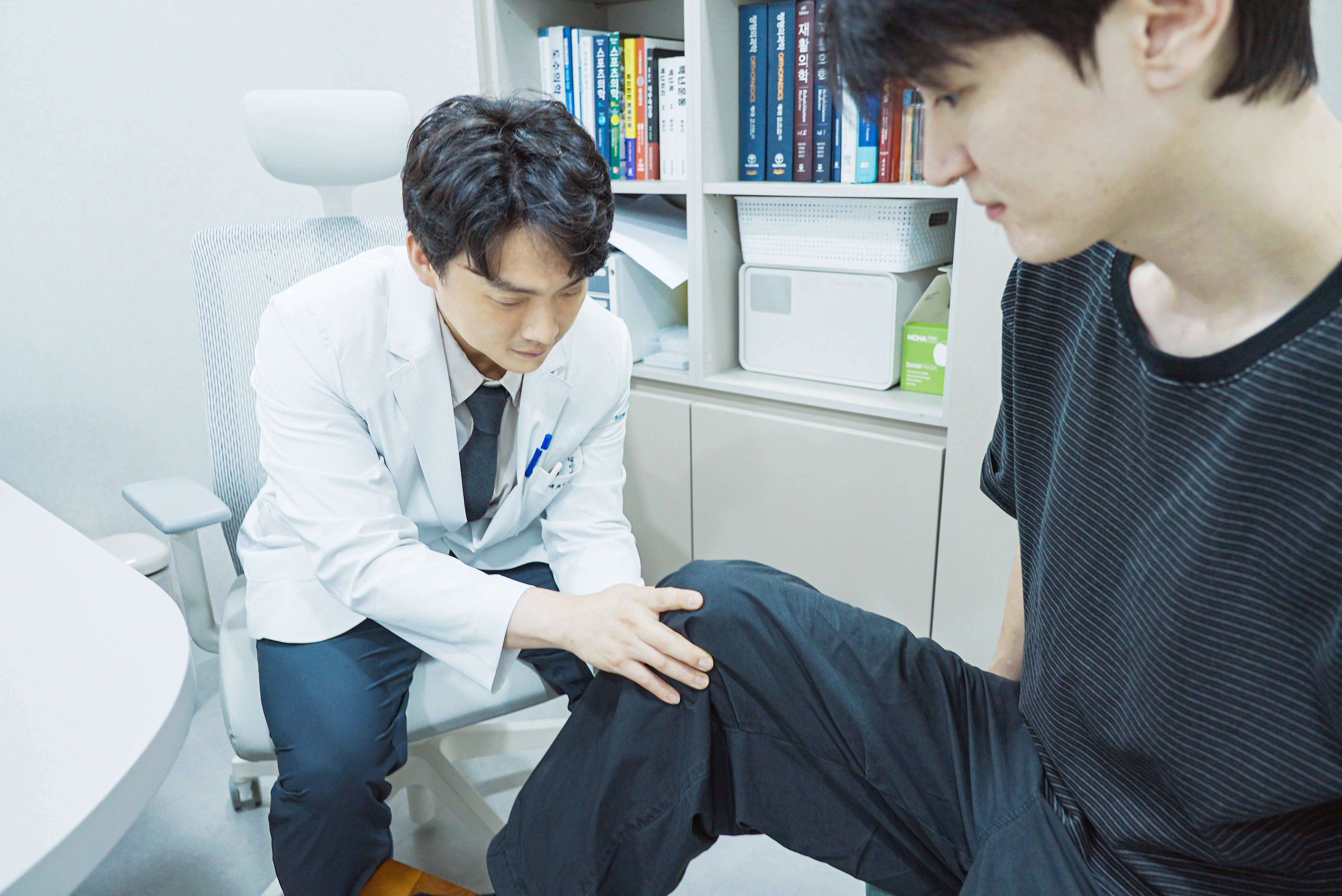
Gangnam non-surgical knee treatment: Preparing for care
A well-prepared visit can make it easier to discuss both symptoms and treatment decisions. Bring relevant information about your medical history, the activities affected by knee pain, and any care you have already tried. Bone & Heal Clinic provides care in orthopedics and anesthesiology, so a visit can begin with a conversation about your concerns and the appropriate assessment. Cost and the details of a treatment plan depend on the care recommended for your situation.
What to bring to an appointment
Bring a medication list that includes prescription medicines, nonprescription products, and relevant supplements. If you have records from earlier care or results of previous tests, bring copies that are readily available. It can also help to write down your main questions beforehand. Consider noting when the symptoms began, whether there was an injury, and which activities are now difficult. These details give the medical staff a practical starting point for the discussion.
Try to describe treatments you have already attempted without judging whether they were successful. For example, explain whether you changed your activity level, tried an exercise routine, or used medication, and what effect you noticed. Mention any medical conditions or allergies that could affect treatment decisions. If your main concern is returning to a particular activity, say so early in the appointment. This helps the attending doctor understand what matters to you alongside the clinical findings. Bring existing records when convenient, but do not delay seeking urgent care to collect paperwork.
Preparation is most useful when it helps explain your symptoms, medical history, and goals. Bring existing records and questions, then use the appointment to clarify the recommended next steps.
Questions to ask about your plan
Start by asking what the assessment suggests is causing your symptoms and whether further evaluation is needed. Then ask which non-surgical options are relevant to your condition and why. You can also discuss how the recommended approach relates to your daily activities and what changes you should look for. If a recommendation is unfamiliar, ask the attending doctor to explain it in plain language before you decide.
Practical questions are just as important as clinical ones. Ask what preparation is needed, whether a proposed treatment has restrictions, and how progress will be reviewed. If cost is relevant to your decision, request an explanation of the expected charges for the care being considered. Costs depend on the assessment and treatment plan. You can also ask what to do if symptoms worsen or if the initial approach does not help. Write down the answers or bring someone who can help you remember them. The aim is to leave with a plan you understand, rather than relying on assumptions about what non-surgical care involves.
Following up on knee symptoms
Follow-up allows the attending doctor to review how the knee is responding and whether the plan still fits your needs. Keep track of changes in pain, swelling, movement, and the activities you can perform. Describe both improvements and difficulties, including anything that makes it hard to follow the plan. This information can support a more focused discussion about whether to continue, adjust, or reassess the approach.
Avoid measuring progress by pain alone. Being able to walk more comfortably, manage stairs, or resume an everyday task may also matter to you. At the same time, report new or worsening symptoms rather than waiting for a planned review if you are concerned. The pace of change depends on the condition and the care being used, so ask the attending doctor what is reasonable to monitor in your situation.
A considered approach to knee care starts with understanding the problem and continues with clear communication. Bring your questions to Bone & Heal Clinic, discuss the options relevant to your assessment, and make sure you understand the recommended next steps. If symptoms suggest an urgent problem, seek prompt medical attention rather than relying on general advice about non-surgical care.
Frequently Asked Questions
Q.What kind of care does Bone & Heal Clinic provide?
A.Bone & Heal Clinic provides care in orthopedics and anesthesiology.
Q.Who might consider an appointment for knee pain?
A.An appointment may be useful if knee pain persists, interferes with daily activities, or repeatedly returns. New locking or a feeling that the knee may give way should also be discussed with a medical professional.
Q.What non-surgical approaches can I discuss with the attending doctor?
A.Depending on your diagnosis, you can discuss activity changes, exercise, medication, and whether other interventions are appropriate.
Q.What should I bring to my appointment?
A.Bring a list of your medications, relevant medical history, and any previous test results you have. Notes about when symptoms occur and which activities are affected can also help.
Q.Where is Bone & Heal Clinic, and how can I contact the clinic?
A.Bone & Heal Clinic is at 143-5, Nonhyeon-dong, Gangnam-gu, Seoul, Republic of Korea. Call 02-6673-7582 to ask about an appointment.
Clinic Information
| Clinic | Bone & Heal Clinic |
|---|---|
| Specialty | orthopedics,anesthesiology |
| Address | 143-5, Nonhyeon-dong, Gangnam-gu, Seoul, Republic of Korea |
| Phone | 02-6673-7582 |
| Website | https://bonenheal.co.kr |
| Specialist | Specialist care |
 Bone & Heal Clinic